Why the DMV Might Reject Your VIN Verification
June 30, 2025
How to Avoid Delays at the California DMV With a Pre-Verified VIN
June 30, 2025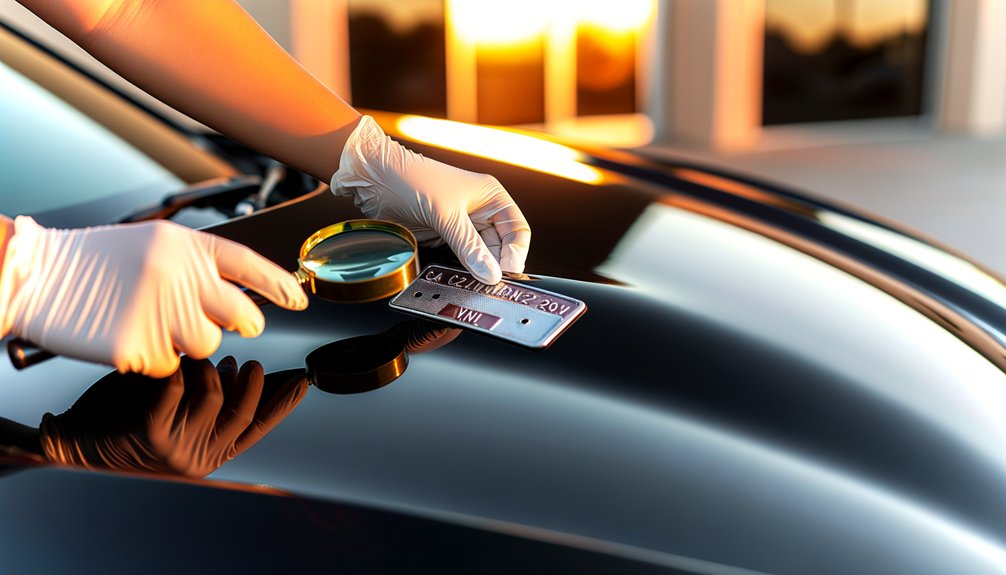
When it comes to buying a vehicle with a salvage title in California, understanding VIN verification is crucial. This process guarantees that the vehicle’s identification number matches its title and registration, confirming its legitimacy. Without proper verification, you might face unexpected issues later. As you navigate the steps involved, a few common challenges can arise. Let’s explore these intricacies and how to effectively address them.
Understanding VIN Verification
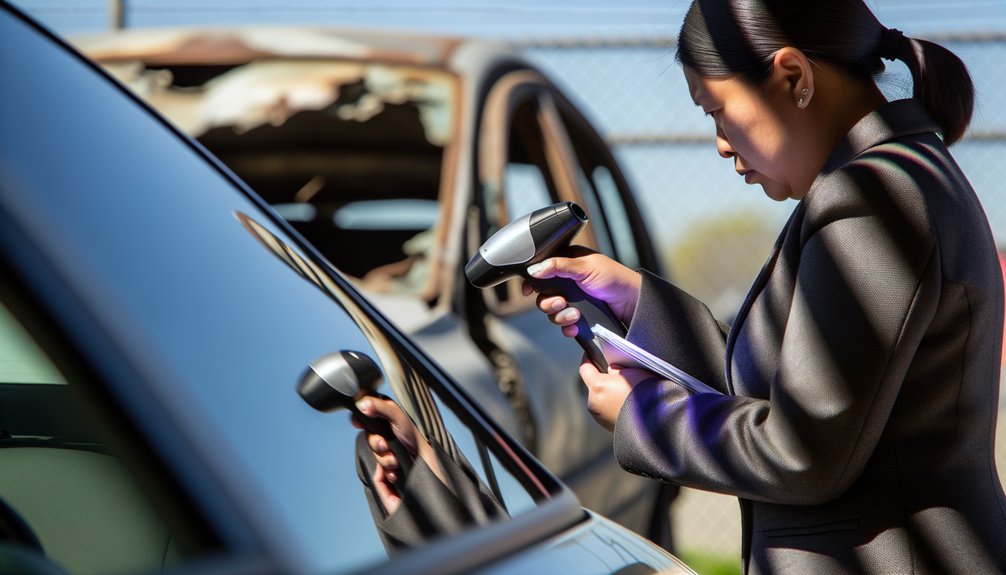
When you’re dealing with salvage titles, understanding VIN verification is essential for ensuring the vehicle’s history and legitimacy. The Vehicle Identification Number (VIN) serves as a unique fingerprint for every car, detailing its manufacturing details, ownership history, and any reported damages. To verify a VIN, you’ll typically inspect the number on various parts of the vehicle, including the dashboard, driver’s side door, and engine block. It’s vital to cross-reference this information with databases that track stolen vehicles, accidents, and salvage records. By performing this thorough check, you not only confirm the authenticity of the vehicle but also protect yourself from potential fraud. Embracing innovative technology, such as VIN scanning apps, can streamline this process, enhancing accuracy and efficiency. Additionally, it’s important to note that VIN verification is crucial for re-registering salvage vehicles in California.
Importance of VIN Verification for Salvage Titles
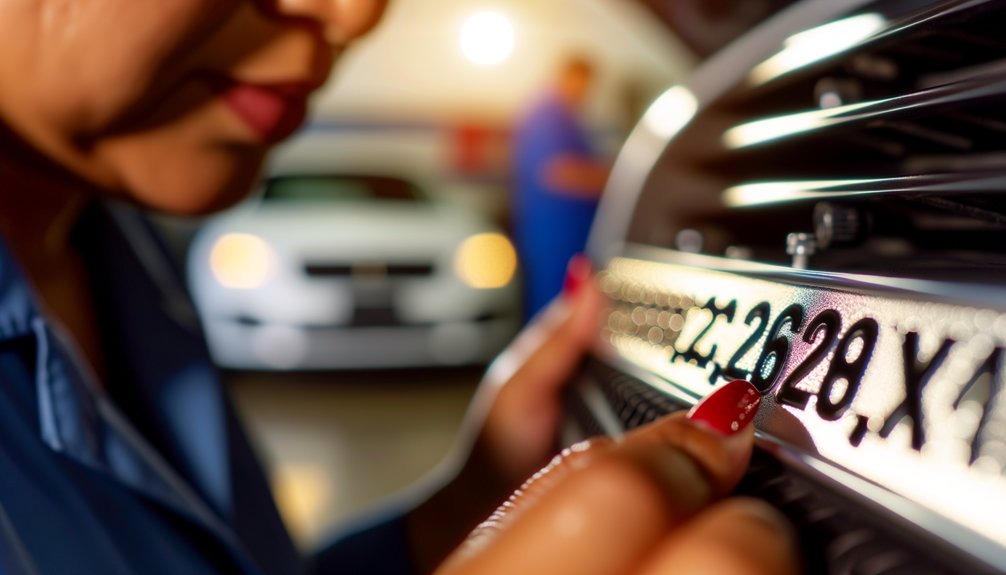
VIN verification plays a pivotal role in the context of salvage titles, as it helps you establish a vehicle’s legitimacy and avoid potential pitfalls. Without proper verification, you risk purchasing a stolen vehicle or one with undisclosed damage, which can lead to financial loss and legal complications. Understanding the importance of VIN verification can greatly enhance your buying experience. Additionally, a thorough VIN verification process ensures compliance with California regulations, providing peace of mind during your transaction.
| Aspect | Importance | Consequence |
|---|---|---|
| Vehicle Identity | Confirms ownership | Prevents theft-related issues |
| History Review | Discloses accident history | Avoids hidden damages |
| Title Status | Clarifies salvage title status | Guarantees compliance with laws |
| Value Assessment | Helps determine fair market value | Prevents overpaying |
| Insurance Compatibility | Guarantees insurability | Avoids future coverage issues |
The VIN Verification Process in California
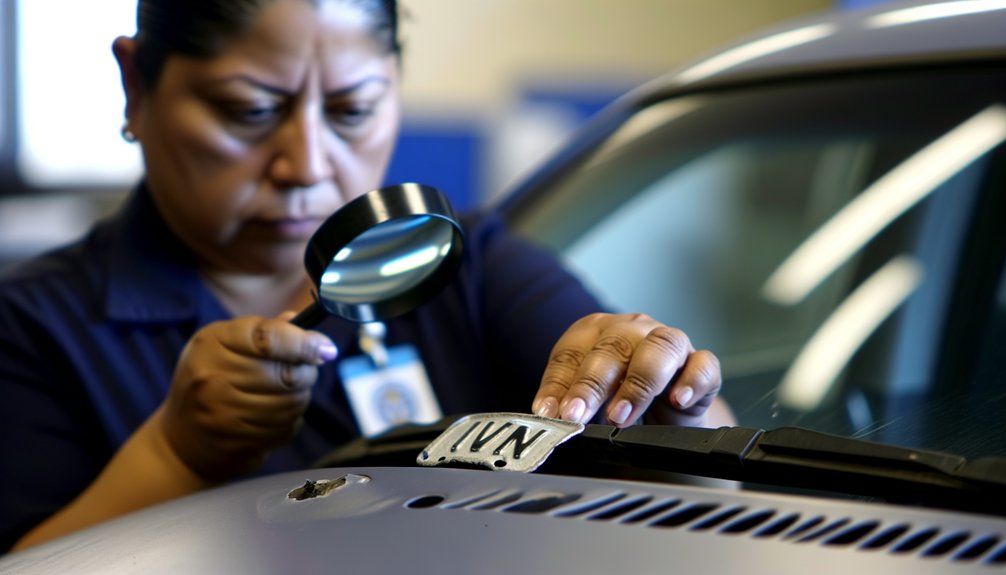
To guarantee a smooth transaction when dealing with salvage titles in California, you’ll need to navigate the VIN verification process meticulously. Start by gathering necessary documentation, including the vehicle’s title and registration. You’ll then need to schedule an appointment with an authorized DMV agent or certified VIN verifier. During the inspection, they’ll compare the VIN on the vehicle with the documentation you provided. Make sure all components—like the engine and frame—are intact and visible. After successful verification, you’ll receive a signed verification form, which is vital for applying for a rebuilt title. Remember, accuracy is essential; any discrepancies can lead to delays or complications in your title application. Additionally, ensure that your vehicle meets California compliance emissions labels as part of the registration process. Stay organized and proactive throughout this process for best results.
Common Challenges and Solutions
Maneuvering the complexities of salvage title transactions often presents common challenges that can hinder your progress. One significant issue is locating the original VIN, which may be obscured or missing after an accident. To resolve this, you can utilize digital resources or consult with auto-repair professionals who specialize in salvage vehicles. Another challenge is traversing the bureaucratic processes at the DMV, which can delay your verification. To streamline this, make certain you have all required documentation ready and consider scheduling an appointment. Additionally, discrepancies in vehicle history reports can arise, leading to confusion. Always cross-verify information from multiple sources, including insurance companies and previous owners, to guarantee accuracy. Addressing these challenges proactively will enhance your efficiency in the VIN verification process. Furthermore, ensure that your vehicle meets California emission standards to avoid potential complications during verification.
Tips for a Smooth VIN Verification Experience
Steering through the VIN verification process doesn’t have to be an intimidating task. First, gather all necessary documentation, including your salvage title, proof of ownership, and any repair receipts. Scheduling your appointment with a licensed verifier in advance guarantees a timely evaluation. When you arrive, be punctual and have your paperwork organized for a smoother experience. Make certain the vehicle is accessible and clean, as this can expedite the inspection. Familiarize yourself with the VIN location on your vehicle; verifying this yourself beforehand can save time. Finally, don’t hesitate to ask questions during the process. Clear communication with the verifier can enhance understanding and resolve any potential issues quickly, guaranteeing a streamlined verification experience.
Frequently Asked Questions
How Much Does VIN Verification Cost in California?
VIN verification costs typically range from $50 to $100 in California. Factors like location and provider influence the price. It’s crucial to compare services to guarantee you get the best verification experience for your needs.
Can I Verify a VIN Online?
You can’t verify a VIN online through official channels. However, you can use various third-party services for preliminary checks. Always make certain the source is reliable to avoid inaccuracies and potential complications in your vehicle’s history.
What Documents Are Needed for VIN Verification?
To verify a VIN, you’ll need the vehicle’s title, registration documents, and proof of ownership. Make sure you gather any additional paperwork that may be required by your local DMV or verification service.
How Long Does the VIN Verification Process Take?
The VIN verification process typically takes about 30 minutes to an hour. However, factors like appointment availability, location, and staff efficiency can influence the time. You should plan accordingly to guarantee a smooth experience.
Is VIN Verification Required for All Salvage Titles?
Yes, VIN verification’s required for most salvage titles. It guarantees the vehicle’s identity matches its documentation, promoting safety and compliance. You’ll need to complete this step to proceed with registration and potential resale.