The History and Evolution of VIN Verification in California
August 7, 2024
FAQs About VIN Verification in Riverside, California
August 7, 2024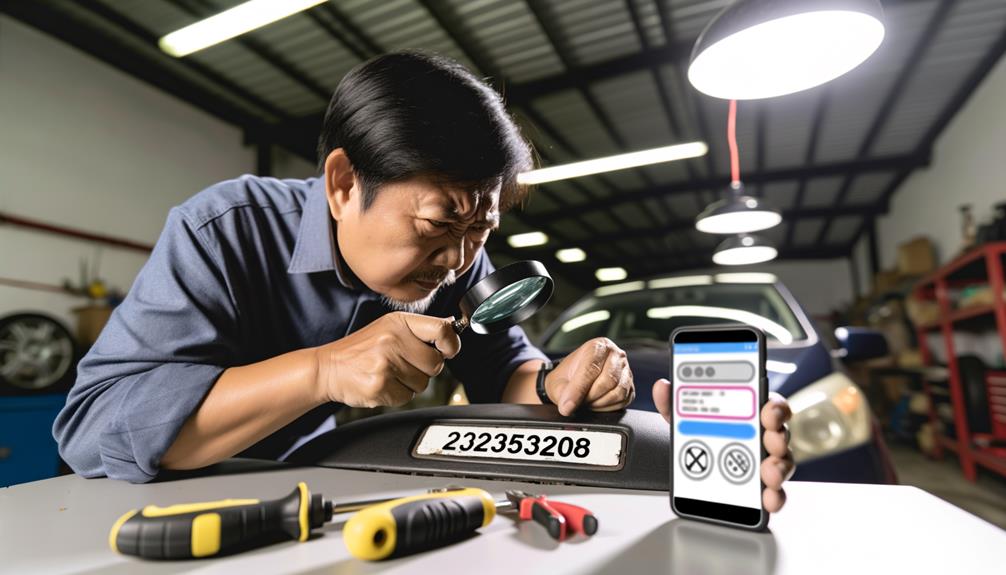
Before your scheduled official appointment, it's crucial you verify your vehicle's VIN independently to ensure all details match up accurately with your records. Start by locating the VIN on your car, typically found on the dashboard or driver's side door frame. You'll want to cross-reference this number with your vehicle's documents and use reliable online resources to check its history. This step not only prepares you for any discrepancies that might arise but also gives you a clearer insight into your vehicle's past, which could influence future decisions. Curious about what you might uncover?
Understanding VIN Verification
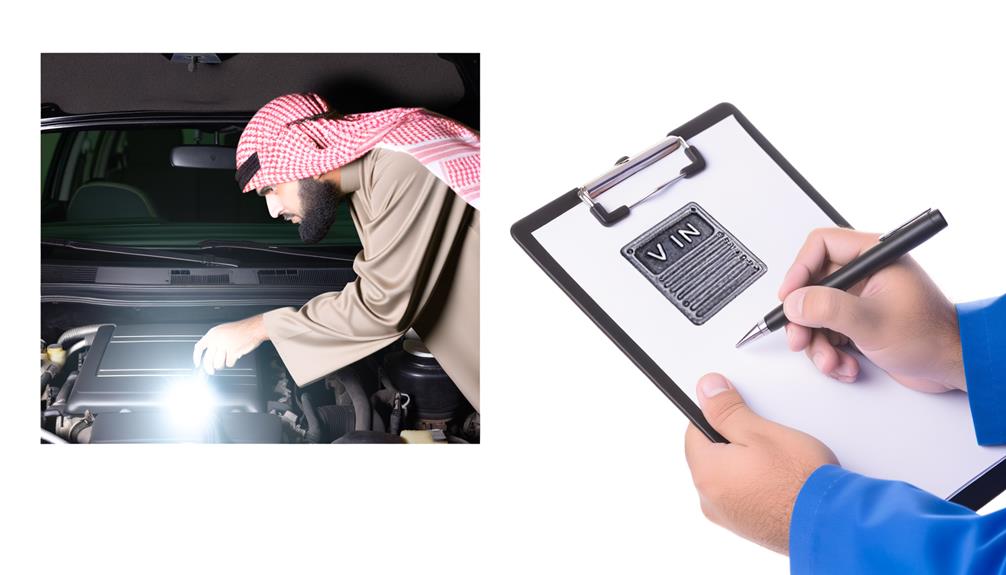
Before you buy or register a vehicle, it's crucial to verify its VIN to ensure its authenticity and legality. Understanding the vehicle identification number (VIN) verification process is your first step to mastering the control you have over your vehicle's legitimacy and your freedom on the road.
VIN verification not only safeguards you against fraud but also confirms the vehicle's compliance with standards. It's a thorough check that involves matching the VIN on your vehicle title with the number physically present on the vehicle. This ensures that the vehicle in question isn't stolen and that all its documents are genuine.
You'll need a licensed verifier in California to conduct a physical inspection. This professional will validate the VIN and other vehicle details, comparing them against official records. It's not just about legality; it's about taking responsibility for your vehicle's identity and history.
Make sure all the paperwork, like the vehicle title and registration documents, are ready. These are essential for the verification process, ensuring everything is aligned with state requirements.
This step isn't just bureaucratic—it's your right to ensure that your vehicle is recognized legally and ready to hit the road with confidence.
Locating Your VIN
To locate your vehicle's VIN, first check the dashboard on the driver's side, specifically in the lower left corner under the windshield. This spot ensures you can easily spot and verify your VIN number without needing any special tools – just a quick glance from outside your vehicle.
If that doesn't pan out, swing open the driver's side door and eye the frame near the latch or inside the door jamb. These locations are incredibly accessible; you won't have to twist into awkward positions to get what you need. It's all about making the process as straightforward as possible, giving you the freedom to handle things on your terms.
Don't stop there, though. For a thorough check, peek under the hood at the front of the engine block. Manufacturers often stamp the VIN here as an extra measure of vehicle identification.
Also, a quick look at the rear wheel well on the driver's side might reveal the VIN tucked away there. Each of these spots offers a clear path to confirming your vehicle's identity efficiently.
Online VIN Search Tools
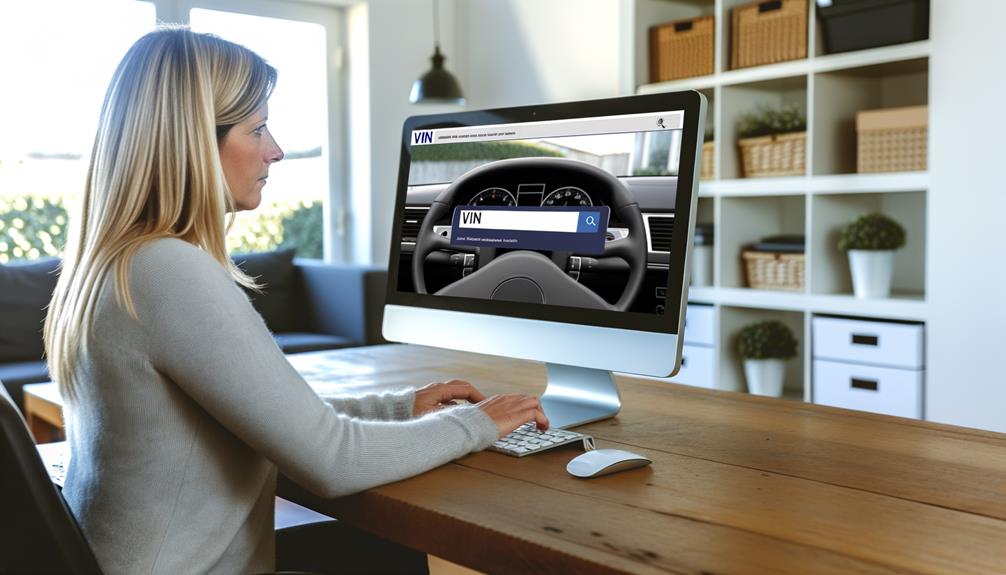
You can use online VIN search tools like Carfax.com, AutoCheck.com, and Edmunds.com to obtain detailed reports on a vehicle's history. These platforms provide insights such as accident history and odometer readings, typically costing between $20 to $50. It's all about making informed decisions freely, without depending on others.
For a more budget-friendly option, the National Motor Vehicle Title Information System (NMVTIS) offers VIN verification for a fee ranging from $3 to $15. Their reports cover crucial details like title status, damage history, and odometer records. It's a handy and economical tool for ensuring you're not about to invest in a lemon.
If you're just dipping your toes and aren't ready to commit financially, there are free VIN checks available through the National Insurance Crime Bureau (NICB). These checks can tell you if the vehicle was ever reported stolen or declared a total loss. It's a quick, cost-free method to start your VIN verification journey.
Remember to check your vehicle's VIN located on the dashboard, engine block, or inside the driver's door before using these online tools to get the most accurate vehicle history reports. Diversifying your sources enhances the thoroughness and accuracy of the information you gather.
Interpreting VIN Reports
When reading VIN reports, it's crucial to understand each section to accurately assess the vehicle's history and condition. You're not just buying a car; you're taking charge of your mobility and ensuring you're not tied down by previous mishaps hidden under shiny paint.
Start with the title status on the VIN report. This tells you whether the car's been branded as salvaged or rebuilt. Knowing this is essential. You don't want to discover after purchase that your new freedom machine has legal strings attached.
Next, scrutinize the accident history. Even minor incidents can signal future problems. This section of the VIN report can reveal if the car's endured significant trauma that might compromise its integrity. You deserve a car that's as free and unencumbered as your spirit.
Don't overlook the odometer readings. Inconsistencies here could indicate tampering, suggesting the car's past isn't as straightforward as you'd hope. Remember, accurate odometer readings are your right, ensuring you know exactly what you're getting into.
Checking Theft and Damage
Check the National Insurance Crime Bureau (NICB) website for free VIN checks to see if your vehicle has been reported as stolen or totaled. This is your first step in taking control of your vehicle's history, ensuring you're not caught off guard by past issues that could affect your freedom on the road.
For a deeper dive into your car's past, shell out a bit for vehicle history reports from services like Carfax or AutoCheck. These reports can provide a wealth of information, including comprehensive damage history, accident reports, and details about previous ownership. You'll know exactly what your vehicle has been through and can drive with confidence, knowing there aren't any hidden surprises.
Don't forget to tap into the resources of your local law enforcement. They can be invaluable in confirming whether the vehicle has been involved in criminal activities or has a theft history. This step is crucial for ensuring your car isn't just free from past damages but also clear from any legal entanglements.
Taking these steps not only secures your investment but also fortifies your autonomy in vehicle ownership. By becoming your own VIN verifier, you embrace the power to understand and control your vehicle's legacy.
Identifying Recall Information
Visit the National Highway Traffic Safety Administration (NHTSA) website and input your vehicle's VIN to uncover any outstanding recalls. This simple step empowers you to take control of your vehicle's safety, ensuring you're aware of any issues that might compromise your freedom on the road. By staying informed, you're not just following rules; you're actively participating in safeguarding your journey.
Additionally, you can check your manufacturer's website, where entering your VIN will reveal any specific recalls for your model. This double-checking method enhances your understanding and ensures no detail about your vehicle's safety slips through the cracks.
Recalls are vital for maintaining the optimal condition of your vehicle. The NHTSA's database offers detailed reports on the nature of any defects, the risks involved, and the measures manufacturers have taken to rectify the problems. Taking time to regularly review these recalls lets you handle them on your terms, before they escalate into bigger issues.
Keep a record of any recall repairs, as this documentation will prove invaluable during resale and future inspections. It's your right to drive a safe, well-maintained vehicle—make the most of these tools to preserve your vehicle's integrity and your peace of mind.
Preparing for Official Verification
Ensure you have your vehicle's VIN handy, typically located on the dashboard near the windshield, on the engine block, or inside the driver's door near the latch, before proceeding with the official verification process. You'll want to have total control over this step, as it sets the stage for a hassle-free appointment.
Next, do a bit of homework by using online resources like the National Motor Vehicle Title Information System (NMVTIS) or the National Insurance Crime Bureau (NICB). These sites allow you to check your VIN for any title discrepancies, damage history, or theft before your official visit. It's your right to know exactly what you're dealing with, and these tools put that power in your hands.
Now, collect all necessary documents—your vehicle title, registration, and any prior inspection reports. Having these documents organized and ready will streamline the verification process, giving you more freedom to focus on what's next without unnecessary delays.
Lastly, review the VIN structure to spot any potential issues and check for manufacturer recalls on the National Highway Traffic Safety Administration (NHTSA) website. Ensuring your vehicle is up-to-date on safety standards isn't just smart—it's essential for your peace of mind.
Benefits of Self-Verification
By self-verifying your vehicle's VIN, you'll catch discrepancies early and streamline the official inspection process. This proactive step empowers you to resolve any issues beforehand, ensuring that your registration sails through without hitches.
There's a sense of freedom in handling this on your own schedule, rather than being at the mercy of the inspection timelines.
Self-verification also means you're familiar with your vehicle's documentation inside and out. By confirming that all papers, such as title and registration, are correct and up-to-date, you're not just preparing for the inspection—you're taking charge of your vehicle's legal identity.
This readiness prevents potential delays and demonstrates your commitment to maintaining a clear vehicle history.
Moreover, understanding your VIN's details allows you to identify any past theft or damage that might've been undisclosed. It's about having the full picture, which is crucial for your peace of mind and for making informed decisions about your vehicle.
In short, taking the initiative for a DIY VIN check not only smooths the path for official procedures but also fortifies your autonomy over your vehicle's story and status. You're not just waiting around; you're ensuring everything is lined up perfectly for when it counts.
Engaging With Verification Resources
You can access a wealth of resources to verify your vehicle's VIN accurately and efficiently.
For starters, the National Motor Vehicle Title Information System (NMVTIS) offers a detailed VIN check, providing title status, damage history, and odometer records for a small fee. If you're looking for a no-cost option, the National Insurance Crime Bureau (NICB) at nicb.org confirms if a vehicle has been reported stolen or declared a total loss.
For a more thorough investigation, consider using commercial services like Carfax.com or AutoCheck.com. These platforms provide extensive reports on accident history and ownership records, though they typically charge between $20 to $50. It's a small price for securing your freedom on the roads.
Before your official CHP VIN verification appointment with the California Highway Patrol, double-check the VIN's location and structure against resources like autohausaz.com. This ensures the engine number matches the vehicle exactly as registered.
Also, keep tabs on the National Highway Traffic Safety Administration (NHTSA) website for any recalls related to your VIN. Engaging these licensed Vehicle Verifiers and utilizing these resources will prepare you for a smooth Vehicle Registration process.
Frequently Asked Questions
How to Verify the VIN Number on a Car?
You'll want to check the car's VIN by spotting it on the dashboard or door frame, then use online tools like NMVTIS or NICB for a quick check on its history and status.
Who Is Authorized to Do a VIN Verification in California?
In California, you've got options for VIN verification: DMV agents, CHP officers, licensed private verifiers, and certain AAA locations for members. Some local police and mobile services might also help, depending on availability.
Can I Check My VIN Online?
Yes, you can check your VIN online using sites like NMVTIS, NICB, Carfax, and AutoCheck. They offer detailed reports for a fee, ensuring you've got the freedom to verify info independently.
How Do I Run a VIN Check on Any Vehicle Instantly?
To run a VIN check instantly, you'll need the vehicle's 17-character VIN. Enter it on sites like NICB.org for free or opt for detailed reports from Carfax.com or AutoCheck.com.