How to Spot a Fake VIN Verifier
June 30, 2025
VIN Verification for Trailers in California
June 30, 2025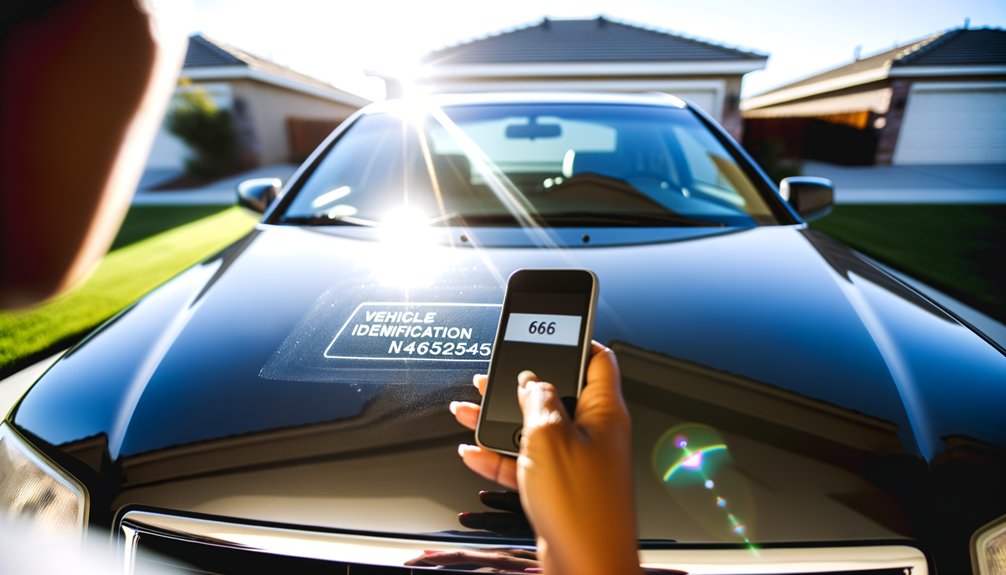
If you’re considering doing VIN verification yourself in California, you’re in luck—it’s possible with the right approach. First, you’ll need to understand the requirements and steps involved. Ensuring your vehicle’s VIN matches its title and registration is essential, but there are also common pitfalls to watch out for. Let’s explore how to navigate this process effectively and when it might be wise to bring in a professional.
Understanding VIN Verification Requirements in California

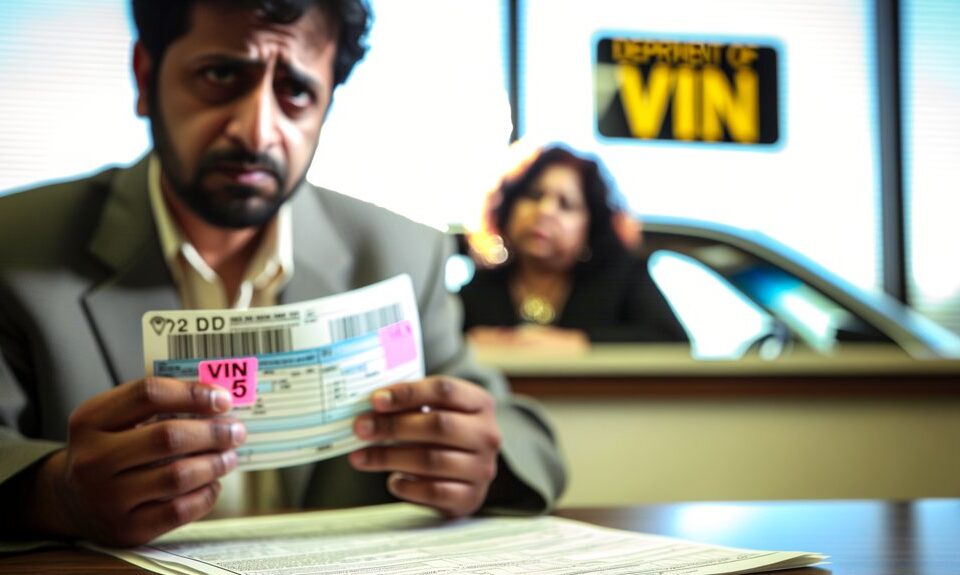
When you’re managing the process of registering a vehicle in California, understanding VIN verification requirements is vital. The Vehicle Identification Number (VIN) serves as a unique identifier for your vehicle, important for guaranteeing its legitimacy. California requires VIN verification for various situations, such as when you’re registering an out-of-state vehicle, or if the vehicle’s title is missing or altered. This verification helps prevent fraud and guarantees that the vehicle complies with state regulations. You’ll typically need to have the VIN inspected by a DMV employee, a licensed vehicle verifier, or a law enforcement officer. Additionally, the process may involve completing the REG 31 form to ensure all necessary details are documented. Familiarizing yourself with these requirements can streamline your registration process, keeping you informed and ahead in this innovative landscape of vehicle management.
Steps to Perform DIY VIN Verification
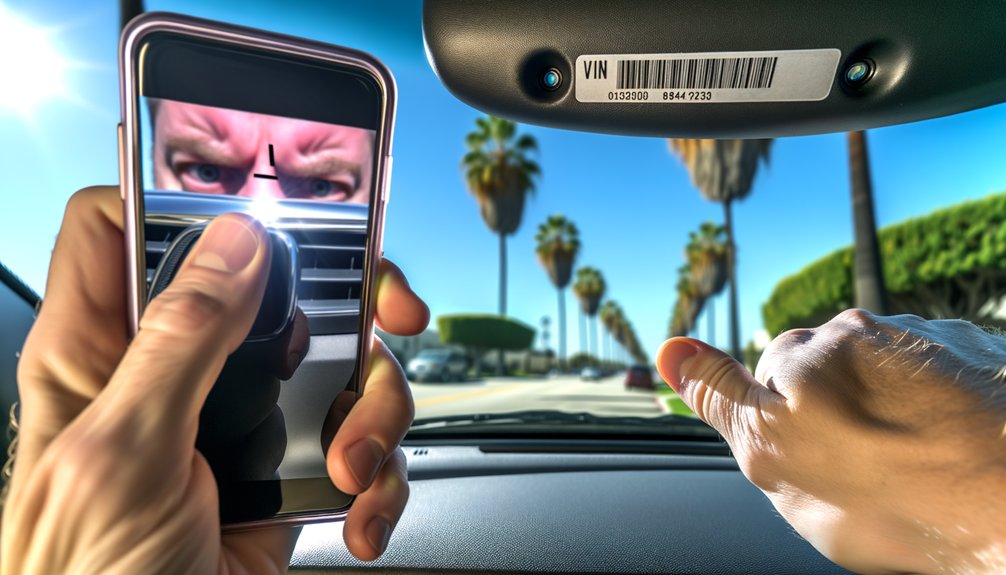
Performing a DIY VIN verification can be a straightforward process if you follow the right steps. Start by locating your vehicle’s VIN, typically found on the dashboard near the windshield or on the driver’s side door frame. Next, verify the VIN matches the title and registration documents. Check for any discrepancies, as these could indicate issues. Once confirmed, inspect the vehicle for signs of tampering, such as altered plates or mismatched numbers. Take clear photographs of the VIN and any discrepancies you find. Finally, prepare a signed statement confirming your findings, as this might be required for official records. By diligently following these steps, you’ll streamline the VIN verification process and guarantee compliance with California regulations. Additionally, ensure you are aware of California Vehicle Code sections that govern VIN verification to avoid potential legal issues.
Tools and Resources Needed for VIN Verification
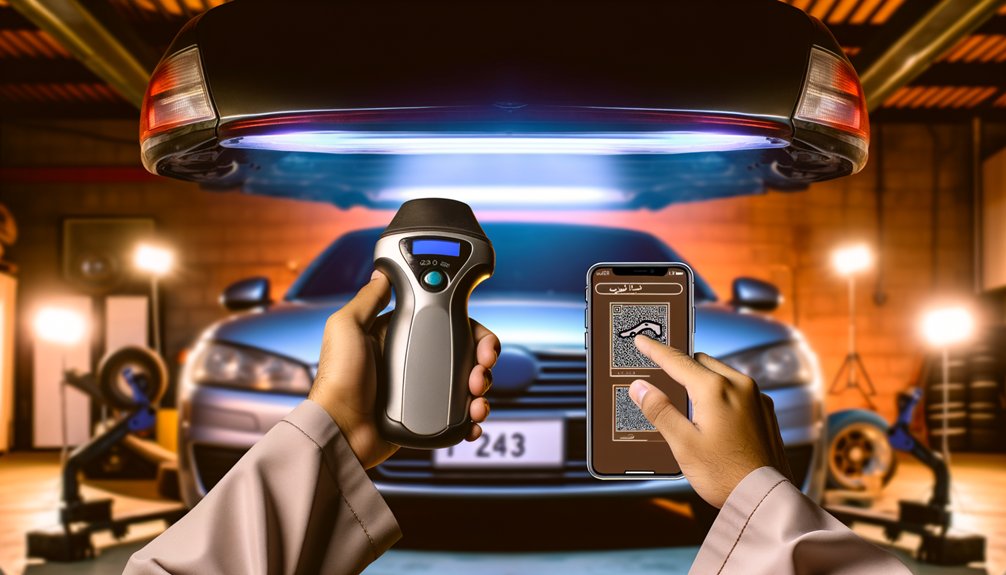
To successfully verify a VIN, you’ll need a few fundamental tools and resources at your disposal. Having the right equipment can streamline the process and guarantee accuracy. Here are three key items you should gather:
- VIN Decoder Tool: This helps you decipher the information embedded in the VIN, revealing crucial details about the vehicle’s make, model, and year.
- Online VIN Check Services: Websites like the National Highway Traffic Safety Administration (NHTSA) offer databases to check for recalls and safety information.
- Vehicle Title Documents: These documents are essential for cross-referencing the VIN with official records, confirming ownership and registration status. Additionally, ensure your vehicle meets the California compliance emissions labels as part of the verification process.
Arming yourself with these resources will make your VIN verification process efficient and reliable.
Common Mistakes to Avoid During VIN Verification
While verifying a VIN can seem straightforward, several common mistakes can undermine the accuracy of your results. First, always double-check the VIN’s location; it’s easy to misread it on different parts of the vehicle. Next, don’t overlook the importance of using the correct VIN format; a minor error can lead to significant consequences. Additionally, make sure you’re consulting reliable databases for verification; using outdated or incorrect sources will skew your findings. Finally, remember to document your process; failing to keep records can hinder future inquiries. By avoiding these pitfalls, you’ll guarantee a more accurate and efficient VIN verification, paving the way for a smoother vehicle transaction or registration process. Stay vigilant and innovate your approach! Also, ensure that your vehicle complies with California emission standards, as this is a critical factor during the verification process.
When to Seek Professional Help for VIN Verification
When you encounter discrepancies in a VIN or face challenges that seem beyond your expertise, seeking professional help becomes vital. Here are a few situations where you shouldn’t hesitate to consult an expert:
- Inconsistent Information: If the VIN on your vehicle doesn’t match the paperwork or registration, it’s important to get it checked by a professional.
- Stolen Vehicle Concerns: If you suspect your vehicle may be stolen, a professional can help verify its history accurately.
- Complex Issues: When dealing with custom vehicles or imports, maneuvering through the regulations can be tricky, making expert assistance invaluable.
Relying on professionals guarantees that you receive accurate information and peace of mind during the VIN verification process. Don’t take any chances with your vehicle’s integrity!
Frequently Asked Questions
Is VIN Verification Necessary for All Vehicle Types in California?
VIN verification isn’t necessary for all vehicle types in California. It mainly applies to out-of-state vehicles, salvage titles, and certain special circumstances. Always check specific requirements to guarantee compliance and avoid potential issues.
How Long Does the VIN Verification Process Take?
The VIN verification process usually takes about 15 to 30 minutes. However, wait times may vary based on location and the number of vehicles needing verification. It’s best to plan ahead to avoid delays.
Can I Verify a VIN for a Motorcycle?
Yes, you can verify a VIN for a motorcycle. You’ll need to gather the necessary documents and follow the required steps to guarantee accurate verification, making sure your motorcycle’s history is clear and reliable.
Are There Fees Associated With VIN Verification?
Yes, there are fees associated with VIN verification. Typically, you’ll pay a small charge to the DMV or authorized agents. It’s best to check current rates to avoid surprises during the verification process.
What if My VIN Is Illegible or Damaged?
If your VIN’s illegible or damaged, you should consult a professional for assistance. They can help decipher or obtain the correct information, ensuring your vehicle’s identity remains clear and accurate for registration and legal purposes.