VIN Verification for Boats — Is It Required?
July 1, 2025
Do You Need a VIN Verification for an ATV in Riverside?
July 1, 2025
When dealing with custom vehicles in California, understanding VIN verification is essential for compliance with state regulations. This process not only safeguards your investment but also guarantees your vehicle meets safety standards. To navigate this effectively, you’ll need specific documents and to schedule an inspection. However, many vehicle owners encounter challenges along the way. Knowing how to address these issues can make all the difference in securing your vehicle’s legal status.
Understanding VIN Verification for Custom Vehicles
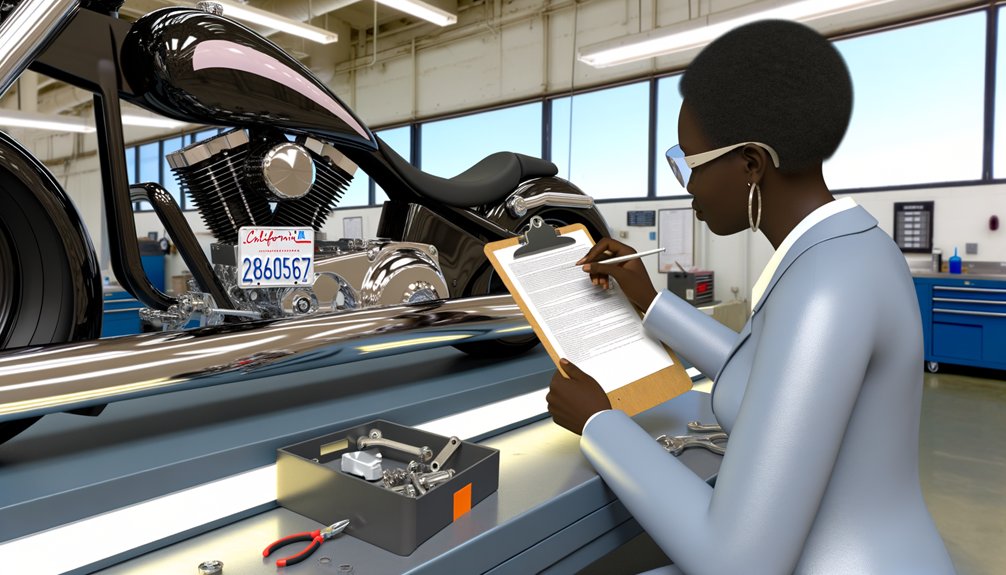
When you’re dealing with custom vehicles, understanding VIN verification is essential for guaranteeing compliance with regulations and safeguarding your investment. A Vehicle Identification Number (VIN) serves as a unique fingerprint, allowing you to trace a vehicle’s history, ownership, and compliance with safety standards. You need to verify that the VIN on your custom vehicle matches the documentation provided by manufacturers and state authorities. This process often involves cross-referencing with databases to confirm authenticity. Additionally, it’s critical to guarantee that any modifications made to your vehicle are documented correctly, as discrepancies can lead to legal complications. By prioritizing VIN verification, you not only uphold regulatory standards but also enhance the resale value of your innovative custom vehicle. Furthermore, obtaining a VIN verification form is a crucial step in ensuring that all necessary details are accurately documented.
The Importance of VIN Verification in California
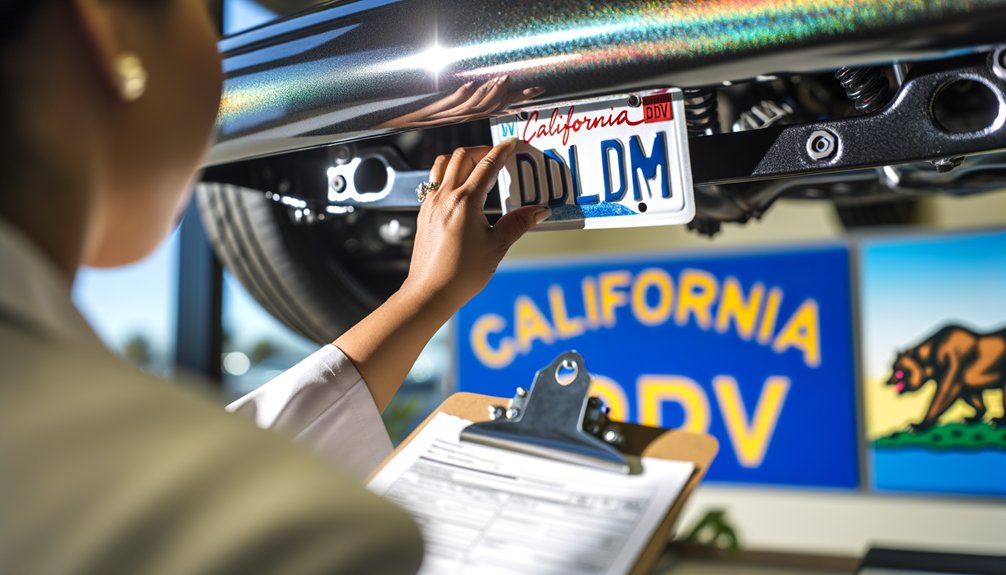
Since California has stringent regulations regarding vehicle modifications and registrations, guaranteeing VIN verification is vital for custom vehicle owners. This process not only affirms the legitimacy of your vehicle but also protects your investment. Here are three significant reasons to prioritize VIN verification:
- Compliance with State Regulations: Meeting California’s legal requirements guarantees your vehicle is registered correctly, preventing potential fines or penalties.
- Safety Assurance: VIN verification helps confirm that your custom modifications don’t compromise safety standards, safeguarding both you and other road users.
- Fraud Prevention: Verifying the VIN mitigates risks associated with stolen vehicles or fraudulent registrations, providing peace of mind for buyers and sellers alike. Additionally, understanding VIN mismatch resolution can help you navigate any discrepancies efficiently.
Step-by-Step Guide to the VIN Verification Process
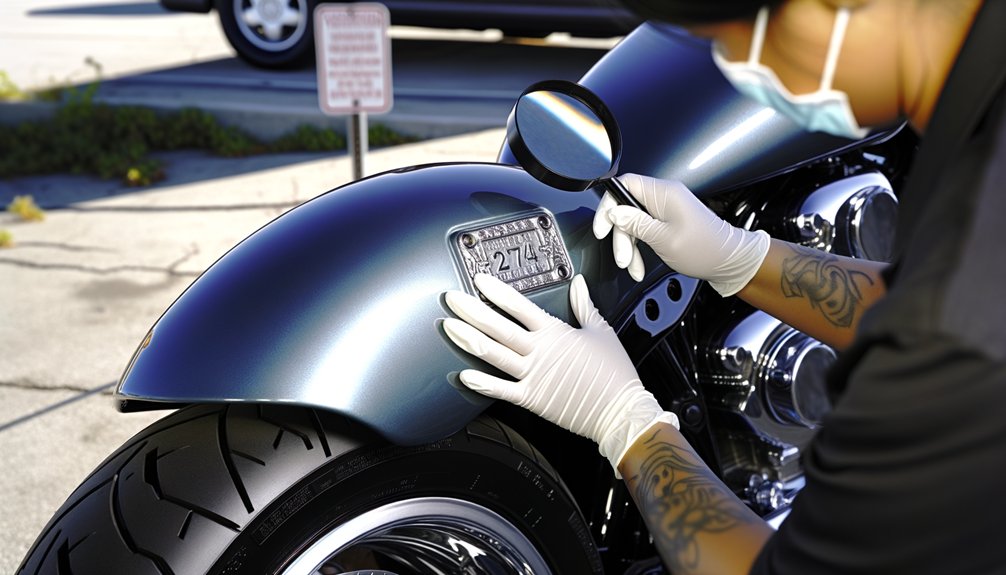
Maneuvering through the VIN verification process can seem intimidating, but it’s essential for ensuring your custom vehicle meets California’s regulations. Start by gathering necessary documents, including your vehicle’s title and any modification records. Next, locate a DMV-approved verifier; this could be a licensed mechanic or a law enforcement officer. Schedule an appointment, ensuring your vehicle is accessible for inspection. During the verification, the verifier will inspect the VIN and the vehicle’s components for compliance with state standards. Once verified, you’ll receive a completed VIN verification form, which you must submit to the DMV alongside your title application. Be sure to keep copies of all documents for your records. Following these steps will streamline your verification process considerably. Additionally, if you’re using a service for VIN verification, it typically costs around VIN verification costs and can expedite the process.
Common Challenges and Solutions
Completing the VIN verification process can present several challenges that may complicate your efforts. Here are some common issues you might encounter:
- Documentation Gaps: You may lack essential paperwork, such as original purchase receipts or prior registrations, leading to delays.
- Complex VIN Decoding: If your vehicle has a custom or altered VIN, deciphering its history can become intricate, requiring expert analysis.
- Scheduling Conflicts: Finding available appointments at DMV locations can be difficult, causing you to postpone your verification.
To navigate these challenges, make sure you gather all necessary documents beforehand, consider consulting a VIN specialist for decoding assistance, and leverage online booking systems for DMV appointments. Addressing these issues proactively can streamline your verification experience. Additionally, ensure you have a secured MCO/MSO to meet California registration requirements.
Tips for a Smooth VIN Verification Experience
To guarantee a smooth VIN verification experience, it’s essential to prepare meticulously before your appointment. First, make sure you have all necessary documents, including your vehicle title, registration, and proof of ownership. Next, inspect your vehicle for any discrepancies in the VIN, and clean the area where the VIN is located to facilitate easy access. Consider scheduling your appointment during off-peak hours to minimize wait times. Familiarize yourself with the verification process; knowing what to expect can streamline the experience. Finally, arrive on time and bring a knowledgeable representative if needed. By following these tips, you’ll enhance efficiency and innovation in your VIN verification journey, assuring compliance with California DMV requirements.
Frequently Asked Questions
Can I Complete VIN Verification Online for Custom Vehicles?
You can’t complete VIN verification online for custom vehicles. You’ll need to schedule an in-person inspection. This guarantees accuracy and compliance with regulations, confirming your vehicle meets all necessary requirements for registration and safety standards.
How Long Does the VIN Verification Process Take?
The VIN verification process typically takes a few hours to a couple of days, depending on the inspector’s availability and the complexity of the vehicle. You should plan accordingly to avoid delays in registration.
Are There Fees Associated With VIN Verification?
Yes, there’re typically fees associated with VIN verification. These can vary based on the service provider, location, and specific requirements. It’s essential to check with your verifier for the exact costs involved before proceeding.
What Documents Are Required for VIN Verification?
For VIN verification, you’ll need the vehicle’s title, bill of sale, proof of ownership, and valid identification. Confirm all documents are accurate and ready to streamline the verification process efficiently. Don’t forget to check for additional requirements.
Can I Verify a VIN for a Motorcycle or Trailer?
Yes, you can verify a VIN for a motorcycle or trailer. Confirm you have the necessary documentation ready, including ownership proof and any relevant forms, to streamline the verification process efficiently and effectively.