
VIN Verification Process: Before, During, and After the Visit
July 1, 2025
What to Bring to Your VIN Verification Appointment in Riverside
July 1, 2025
If you’re dealing with incomplete VIN verification in California, you need to understand the potential DMV penalties that come with it. Not completing this step can lead to fines ranging from $20 to $150, and late fees can quickly add up. Ignoring these requirements can complicate your vehicle registration, insurance, and ownership transfer. What happens next could greatly impact your finances and legal standing.
Understanding VIN Verification Requirements

VIN verification is a critical process for vehicle registration in California. It guarantees that the vehicle’s identification number matches its title and ownership documents, preventing fraud and theft. You’ll need to present your vehicle for inspection at an authorized site, where trained personnel will verify the VIN against state databases. This process involves checking the vehicle’s physical condition and confirming its compliance with California’s emissions standards. Keep in mind that you must complete this verification before submitting your registration application to the DMV. Utilizing innovative technologies, like electronic VIN verification systems, can streamline this process, making it more efficient. Be proactive in securing your vehicle’s registration to avoid complications and guarantee a smooth ownership experience. Completing the VIN verification process is essential to ensure compliance with state regulations and avoid potential penalties.
Common Consequences of Incomplete VIN Verification
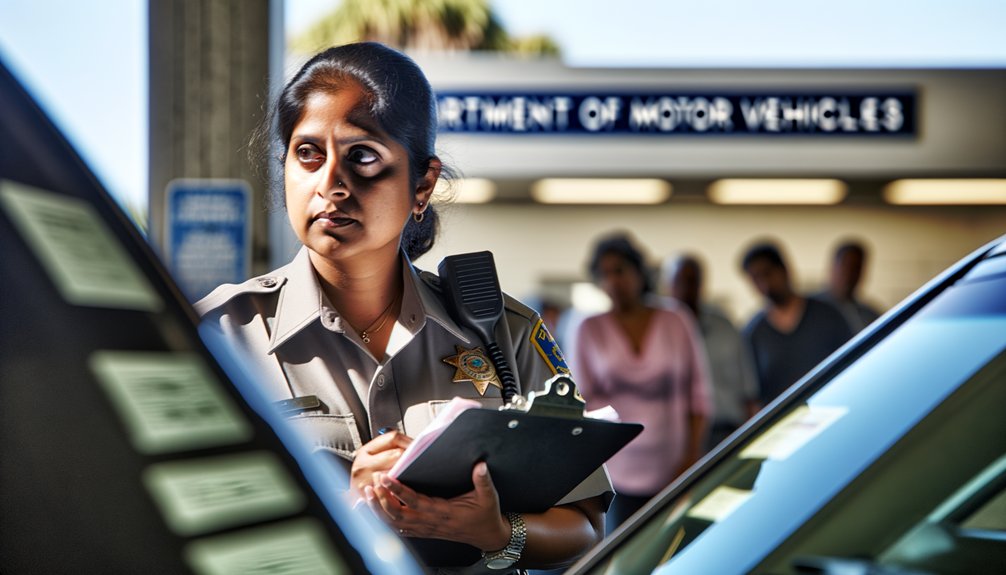
If you fail to complete the VIN verification process, you could face significant consequences that complicate your vehicle ownership experience. One immediate impact is the inability to register your vehicle, which prevents you from legally driving it on public roads. This can lead to frustrations when attempting to secure insurance coverage, as most providers require proof of registration. Additionally, you may encounter delays in obtaining necessary documentation for resale or transfer of ownership, hindering your ability to sell or trade the vehicle efficiently. Moreover, law enforcement may flag your vehicle during routine checks, resulting in potential citations and additional complications. Ensuring timely VIN verification is essential to maintaining streamlined vehicle ownership and avoiding these disruptive consequences. Furthermore, without completing the verification, you cannot obtain a California compliance emissions label, which is critical for registration.
Financial Penalties Imposed by the DMV

Failure to complete VIN verification can result in substantial financial penalties imposed by the DMV. These penalties can vary greatly, typically ranging from $20 to $150, depending on the specific circumstances and duration of non-compliance. Additionally, you may incur late fees if your verification isn’t completed within the designated timeframe. Ignoring these requirements can lead to compounded fees and potentially impact your ability to register your vehicle. It’s vital to address any VIN verification issues promptly to avoid escalating costs. Investing time in ensuring compliance can help you circumvent these unnecessary expenses and streamline your vehicle’s registration process, ultimately saving you money in the long run. Prioritizing VIN verification is essential for maintaining your financial health in vehicle ownership.
Impact on Vehicle Registration Process
Completing the VIN verification is essential for ensuring a smooth vehicle registration process in California. When you fail to verify your Vehicle Identification Number, you risk delays that can hinder your ability to obtain necessary registration documents. The DMV requires accurate VIN verification to confirm vehicle ownership and compliance with state regulations. Incomplete verification can lead to additional paperwork, requiring you to revisit the DMV multiple times, which is both time-consuming and frustrating. Additionally, without a validated VIN, you may not receive your registration renewal on time, leaving you vulnerable to penalties and legal complications. By prioritizing VIN verification, you streamline your registration experience, ensuring compliance and facilitating efficient processing of your vehicle’s legal status. Failing to complete this process can also result in a VIN mismatch resolution that complicates future interactions with the DMV.
Steps to Ensure Successful VIN Verification
To guarantee a successful VIN verification, you must gather all necessary documentation and follow the specific procedures set by the California DMV. Here’s how to streamline the process:
- Collect Required Documents: Include your vehicle title, registration, and any previous VIN verification paperwork.
- Verify VIN Accuracy: Confirm the VIN on your vehicle matches the documents to avoid discrepancies.
- Schedule an Appointment: Book a visit with a certified verifier or DMV office to expedite the process.
- Complete Verification Form: Fill out the appropriate DMV form accurately, confirming all fields are completed. Additionally, ensure that your vehicle meets California emission standards to avoid complications during verification.
Frequently Asked Questions
Can I Appeal a DMV Decision on VIN Verification?
Yes, you can appeal a DMV decision on VIN verification. To do so, gather your documentation, follow the appeal process outlined by the DMV, and submit your request within the specified timeframe for consideration.
How Long Does the VIN Verification Process Take?
The VIN verification process typically takes 1 to 3 business days, depending on your local agency’s workload and efficiency. To expedite, make certain all required documents are accurate and readily available during your submission.
What Documents Are Needed for VIN Verification?
For VIN verification, you’ll need the vehicle’s title, registration, and proof of identity. Confirm you have any supporting documents that establish ownership or compliance, as they’re essential for a smooth verification process.
Are There Exceptions to VIN Verification Requirements?
Yes, there’re exceptions to VIN verification requirements. For instance, certain antique vehicles or those with a documented history may qualify for exemptions. Always consult your local regulations to guarantee compliance and verify specific case scenarios.
How Often Do VIN Verification Rules Change?
VIN verification rules change periodically, often influenced by legislative updates or technological advancements. You should regularly check official sources to stay informed about any adjustments that may impact your compliance and vehicle registration process.