Why You Shouldn’t Skip VIN Verification When Registering Your Vehicle
August 7, 2024
How to Spot a Fake VIN: Tips for California Vehicle Owners
August 7, 2024
You might think you've got a handle on the VIN verification process in California, but there are several pervasive myths that could trip you up. For instance, did you know that it's not just operable vehicles that need verification? Yes, even those project cars sitting idle in your garage might require a check. Plus, there's a common misconception that any verifier can sort out title issues — that's simply not their role. As you navigate the complexities of ensuring your vehicle complies with state requirements, it's crucial to separate fact from fiction. Curious about what other myths are floating around?
Misunderstandings About Eligibility

Many people mistakenly think all vehicles qualify for VIN verification in California, yet only complete and operable ones meet the state's current DMV requirements. This restriction may feel like a roadblock on your journey to enjoying the open road, but it's designed to ensure that every vehicle meets safety and registration standards.
If you're eyeing that classic car project, you'll need to get it to a rolling chassis state before it can pass the California DMV's eyes.
You might also think you can breeze through the VIN verification process without much paperwork. However, you'll need to dig up old titles or registrations that prove the vehicle's history in California. This requirement is more than just bureaucracy; it's a safeguard against fraud and theft, ensuring that your freedom on the road isn't curtailed by legal troubles down the line.
Understanding these VIN verification needs can save you time and frustration. Don't let misconceptions steer you wrong.
Make sure your vehicle is up to snuff and your documents are in order before heading to the California DMV. This way, you'll navigate through the process swiftly, keeping your focus on the freedom of the drive ahead.
Verifier Qualifications Explained
Now that you understand the basic eligibility requirements for VIN verification, let's explore what it takes to become a licensed VIN verifier in California.
To kick off, you'll need to submit a Vehicle Verifiers Permit application, known as form OL 19. This is your first step toward independence in this field. Next, secure a vehicle verifier surety bond with form OL 26, ensuring you're covered and compliant.
You're also required to fill out an occupational license personal history questionnaire, form OL 29I. Don't worry; it's straightforward and ensures you meet all moral and ethical standards. Furthermore, live scan fingerprinting is mandatory. It sounds intense, but it's just a quick step to verify your identity and background.
Once you're a licensed VIN verifier, you can inspect out-of-state titles and vehicles not yet registered in the California DMV system. Remember, you won't handle salvage titles, but there's plenty of other opportunities to flex your expertise.
Earnings vary significantly—ranging from $35,000 to $65,000 for mobile verifiers. If you prefer stationary work, you might earn between $14,000 and $25,000. It all depends on your clientele and setup, offering you the freedom to shape your career.
Compliance with the California Vehicle Code is crucial to keep your license and operate legally.
Oversights in Documentation Needs
Understanding the updated VIN verification rules in California is crucial, as you now need supporting documents like old titles or registrations to prove a vehicle's history in the state. These changes mean you've got to be on top of your game to ensure you don't hit any snags. Let's dive into why these documents are so vital.
You must realize that without the right paperwork, you're risking a lot. If you're buying a car, securing a title beforehand is essential. This isn't just bureaucracy—it's your shield against future headaches. Think of documentation completeness as your ticket to a smooth ride in the registration process. Without it, you might end up with a car that's stuck in your garage, unregistered, and just gathering dust.
Here's a tip: Always double-check that you've got all paperwork from the previous owner, especially if the vehicle's over seven years old. Historical title records vanish after about seven years in California, making it harder to trace back ownership.
It's your responsibility to maintain thorough documentation from the moment you acquire a vehicle. This isn't just about following rules—it's about protecting your freedom to own and use your vehicle without unnecessary constraints.
Salvage Title Verification Facts
Let's explore the specific regulations surrounding salvage title verification in California. If you've got a vehicle with a salvage title, remember, you can't just go to any VIN verifier. You've got to head over to the California Highway Patrol (CHP). They're the only ones authorized to handle this specific type of VIN verification. Why? Because a salvage title isn't just any title. It flags your car as a total loss previously deemed by an insurance company.
Getting your vehicle back on the road isn't just a matter of patching it up and driving off. You need to prove the repairs are up to scratch. This means submitting a completed REG 31 form, which has to be signed off either by a licensed verifier or directly by a CHP officer. Plus, if your ride was pieced together from junked parts, brace yourself for an even tougher inspection. Your vehicle must be in complete and operable condition to pass.
Don't forget about emissions. Even with a salvage title, your car must meet California's strict emission standards. Make sure that emission label is valid and visible. It's not just about safety; it's about respecting the air we all breathe.
Out-of-State Verification Requirements
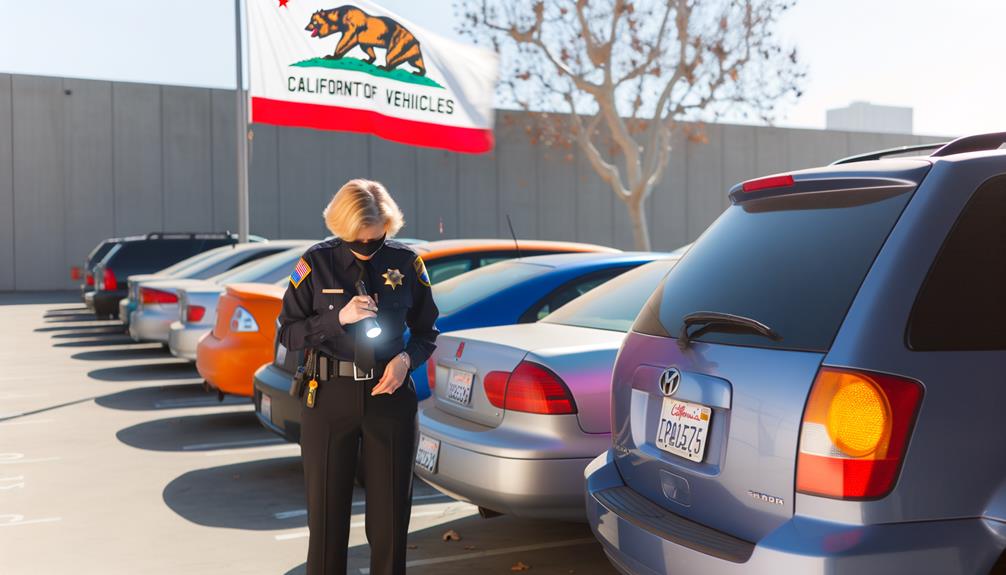
If you're bringing a vehicle from another state to California, it must undergo VIN verification to ensure it meets all local regulations. This process is a crucial step to unleash the full freedom of driving your car on Golden State roads without legal hitches.
You'll need to complete a form REG 31 through a licensed verifier who'll inspect your vehicle and validate your ownership documents. Remember, you're not just complying; you're ensuring your ride fits right into California's framework.
To proceed with your registration service, you must provide proof of registration from your previous state. This shows you're transitioning your vehicle's allegiance smoothly and lawfully.
The verifier will check the VIN's location, the emissions label, and whether your vehicle has a U.S. Federal Certification label. These checks ensure that your vehicle isn't just physically fit but also environmentally sound.
Moreover, brace yourself for a smog test, mandatory for all out-of-state vehicles. This isn't just bureaucracy; it's about keeping California's air as free as your spirit.
Once you pass these tests, you're all set to enjoy the vast, open roads of California, with every legal requirement checked off your list.
Myths About Verification Costs
Many people believe that VIN verification in California is excessively expensive, but you'll find the costs are quite reasonable, typically ranging from $35 to $100. This range allows you the flexibility to choose a service that fits your budget without compromising on the necessity of getting your vehicle verified.
If you need a VIN verification, it's important to understand the options available and how they can accommodate your lifestyle. For instance, opting for a mobile verifier might increase costs due to travel fees, but it also offers you the convenience of not having to take your vehicle to a stationary location.
This freedom to have services come to you can be worth the extra dollars, especially when juggling a busy schedule. Always ask about the total cost upfront to avoid any surprises. Some verifiers might also provide package deals that include multiple services, potentially saving you money if you need comprehensive verification.
Role of VIN in Fraud Prevention

VIN verification is essential in preventing vehicle fraud by ensuring that the vehicle's identity matches the documentation provided. This process is your safeguard against becoming entangled in ownership disputes or buying a stolen vehicle unwittingly. It's about maintaining your freedom to own a vehicle that truly belongs to you, without the shadows of doubt cast by potential fraud.
During VIN verification, each vehicle undergoes a thorough physical inspection. Not just a cursory glance, but a detailed check of the VIN and its accompanying documents. This step is crucial—it's how authorities flag and stop the registration of stolen vehicles. It's your assurance that the car you're driving is legit and recognized by state laws.
California's rules are particularly stringent. Every vehicle, especially those from out of state or not listed in the DMV database, must be verified. This isn't just bureaucracy; it's a proactive measure to keep your vehicle's history transparent and fraud-free. The introduction of forms like REG 31 has tightened this process further, enhancing your protection against VIN-related fraud.
Common VIN Misclassifications
Despite the clear benefits of VIN verification outlined earlier, several myths persist about how and when it's necessary.
You might think that VIN verification is just for cars coming from out of state, but it's also crucial for any vehicle that's not listed in the DMV database—even those previously registered in California.
Don't fall into the trap of believing that VIN verifiers can sort out title discrepancies; their role is strictly to verify VINs. For title issues, you'll need to take a trip to the DMV.
Moreover, it's a mistake to assume that ‘salvage' vehicles skip the verification stage. In reality, these vehicles undergo even more rigorous checks to meet re-registration standards.
Remember, a statement of facts isn't enough; you must provide concrete proof of ownership like old titles or registrations to complete the process.
And for the car enthusiasts who value their independence, know this: you can't verify your own vehicle.
Licensed VIN verifiers are prohibited from verifying their own cars to avoid any conflict of interest. This ensures a fair and unbiased verification process, keeping your journey to freedom on the road smooth and straightforward.
Frequently Asked Questions
What Do They Check for VIN Verification in California?
You're checked for matching VINs on your vehicle and documents, compliance with federal safety and California emission standards, and accurate odometer readings during VIN verification in California to ensure everything's legit.
What Does CHP Check on a VIN Verification?
In a VIN verification, the CHP checks the VIN's location and integrity, ensuring it matches your documents. They also examine safety and emissions labels to confirm your vehicle meets California's strict standards.
How Much Does a VIN Verification Cost in California?
In California, you'll typically pay between $50 to $100 for a VIN verification. Prices vary based on location and whether the service is mobile. Always confirm fees beforehand to avoid any surprises.
Does AAA Do VIN Verification in California?
No, AAA doesn't conduct VIN verifications in California. You'll need to visit a licensed verifier or a DMV-appointed agency like the CHP for this service, ensuring your vehicle meets state requirements.