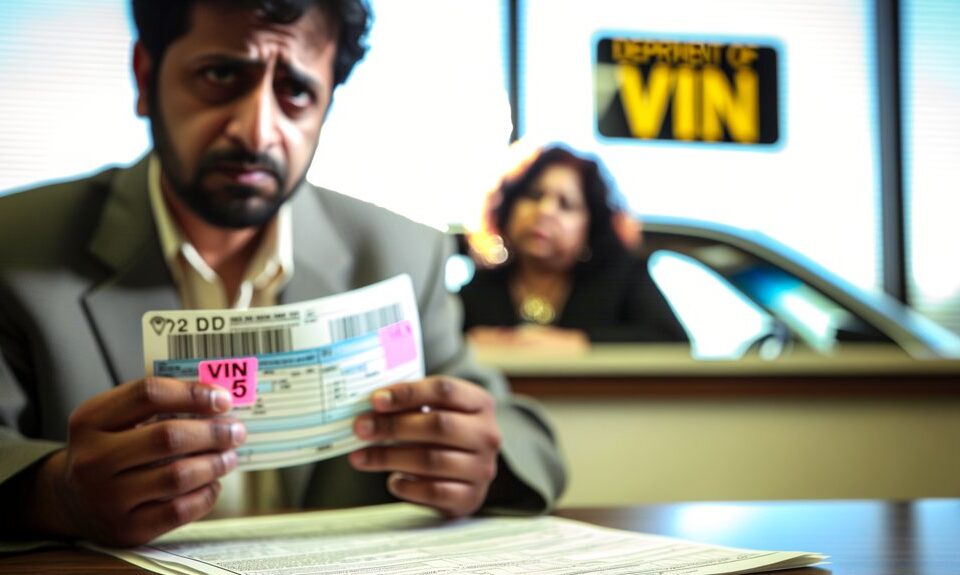
The Difference Between VIN Inspection and VIN Verification
August 7, 2024
Understanding the VIN Verification Process for Imported Vehicles
August 8, 2024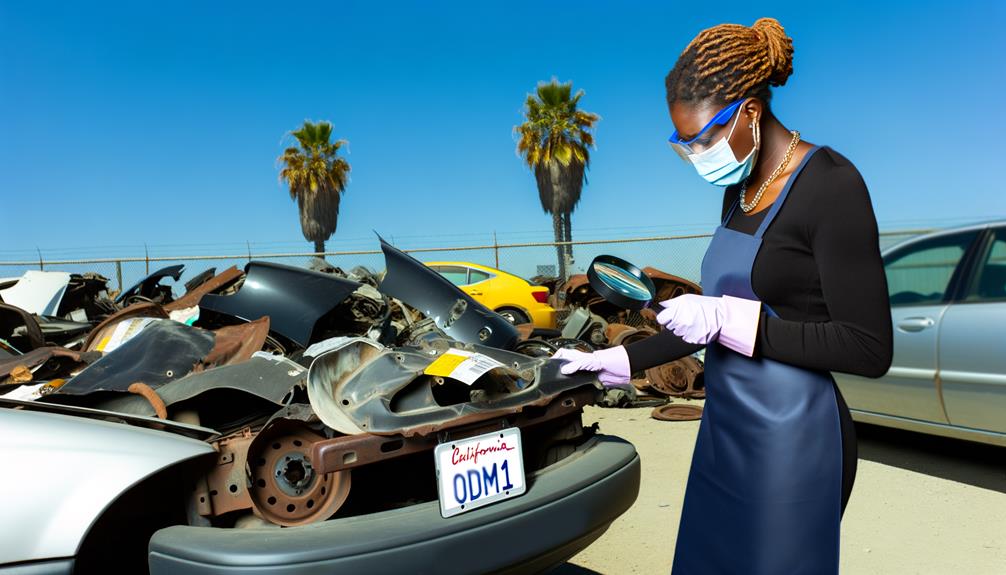
If you're considering buying a salvage vehicle in California, you've probably come across the term 'VIN verification.' This isn't just bureaucratic red tape; it's a crucial step to ensure the car you're eyeing isn't stolen or illegally altered. During the verification process, each vehicle's unique VIN is checked against national databases to confirm its legitimacy. This is where things get interesting—what if the numbers don't match? What scenarios might you face, and how can you navigate the potential pitfalls? Let's explore the implications of these discrepancies and the deeper issues they might signal.
Understanding Salvage Titles
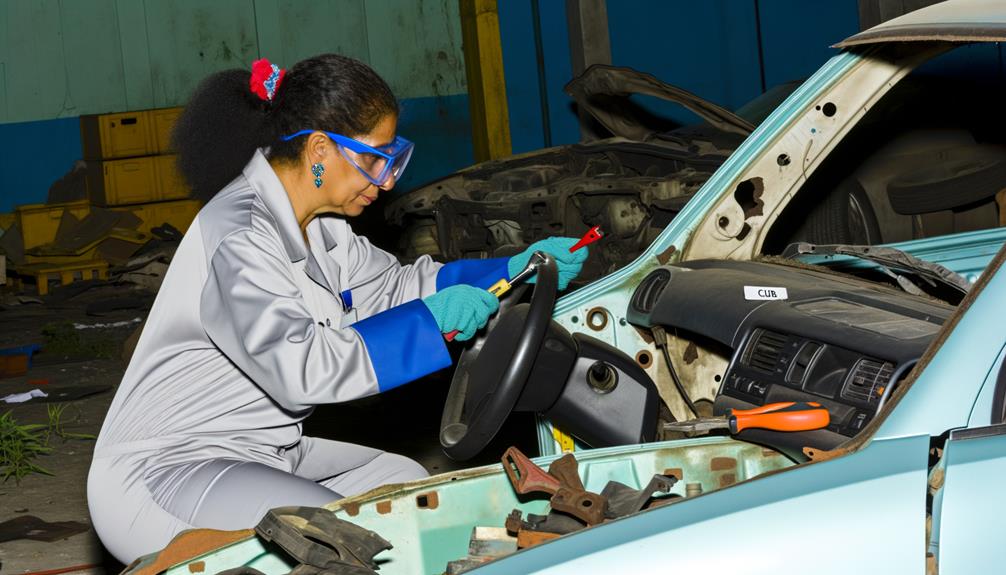
A salvage title is issued when your vehicle sustains damage severe enough that repair costs exceed a specified percentage of its market value. This designation from the California DMV marks your vehicle as a salvaged vehicle, signaling it has been through significant trauma.
But don't see this as merely a setback; think of it as an opportunity to rebuild and customize your ride under your terms.
The journey to bringing your salvaged vehicle back to life involves a crucial step: VIN verification. This process isn't just a formality; it's essential for ensuring the identity and integrity of your vehicle are intact. Each major component of your vehicle, like the hood, fenders, and dash, will have its VIN matched during this inspection.
This meticulous verification safeguards you from potential legal headaches and secures the authenticity of your rebuild.
Embracing this process with the California DMV isn't merely about compliance; it's about paving the way to freedom on the roads with a vehicle that truly represents your resilience and individuality.
Legal Requirements for Verification
You must comply with California's legal requirements for VIN verification to ensure your salvage vehicle can be registered with the DMV. This step is crucial not just for meeting state regulations, but for maintaining your freedom to drive legally and without complications. The process involves verifying the vehicle identification number (VIN) of your salvage vehicle against its major components, ensuring everything matches up and is above board.
It's vital to understand that VIN verification is a safeguard against illegal vehicle activities. It helps verify that none of the major parts of your vehicle are stolen and that the vehicle itself is legitimately owned. You'll need to provide original receipts for any replaced parts during the verification process. This documentation is key to proving that repairs were made properly and legally, further ensuring the integrity of your vehicle's status.
Skipping this step isn't just a minor oversight—it could flag your vehicle as unregistered or potentially stolen. This wouldn't only restrict your freedom to use your vehicle but could also entangle you in legal issues, complicating your vehicle registration and insurance processes.
Therefore, adhering to these legal requirements isn't just following rules; it's about preserving your freedom to drive without hassle.
The Role of California Highway Patrol
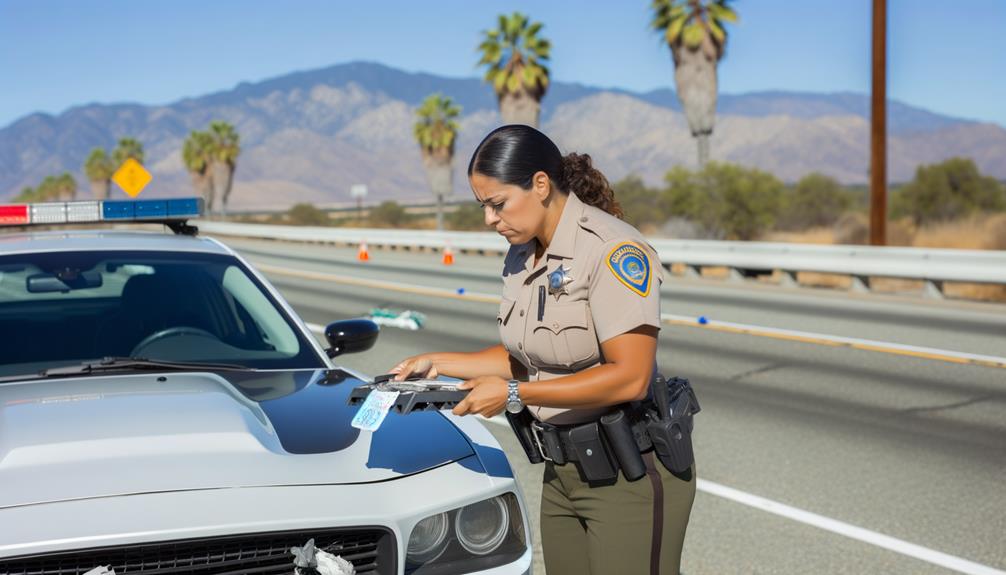
The California Highway Patrol (CHP) plays a critical role in VIN verification, ensuring the integrity and legality of salvage vehicles before they're registered. When you're navigating the path to legally getting your salvaged vehicle back on the road, CHP is your key partner. They ensure that each vehicle's identity is legitimate, safeguarding you from potential fraud and legal complications.
During the VIN verification, officers meticulously check the Vehicle Identification Number against vital components like the hood, fenders, trunk, and dashboard. This isn't just about ticking boxes; it's about making sure that every part of your vehicle matches up and adheres to strict state regulations. It's a process that serves as your first line of defense against inadvertently buying or selling a vehicle with a questionable past.
Moreover, CHP requires that all your DMV paperwork is in order and the vehicle is fully assembled during verification. This comprehensive approach ensures that nothing slips through the cracks.
You won't just breeze through the registration process; you'll navigate it with the confidence that every detail has been checked and double-checked. You're not just meeting legal requirements; you're securing your freedom to drive without doubts.
Importance of Accurate Vehicle History
Understanding your salvage vehicle's complete history is crucial for assessing its condition, market value, and safety. When you dive into the vehicle history of your salvage vehicle, you're empowering yourself with knowledge that can safeguard your freedom to choose wisely. This isn't just about knowing what you're getting into; it's about ensuring you aren't handcuffed by unforeseen complications down the road.
Accurate documentation via services like Carfax lights up the past of your vehicle like a roadmap. You'll see details of prior accidents, title changes, and even service records. This isn't just paperwork; it's your peace of mind. With this information, you can gauge the reliability of the salvage vehicle and make informed decisions about potential risks, including costly future repairs and challenges with insurability.
Furthermore, VIN verification, a critical step facilitated by the Department of Motor Vehicles, confirms that the vehicle's identification number matches official records. This process isn't merely procedural; it's a shield against owning a misrepresented or stolen vehicle. Ensuring that all details align perfectly with the DMV's records isn't just about compliance—it's about securing a vehicle that truly matches its description and history.
Preventing Fraud and Theft
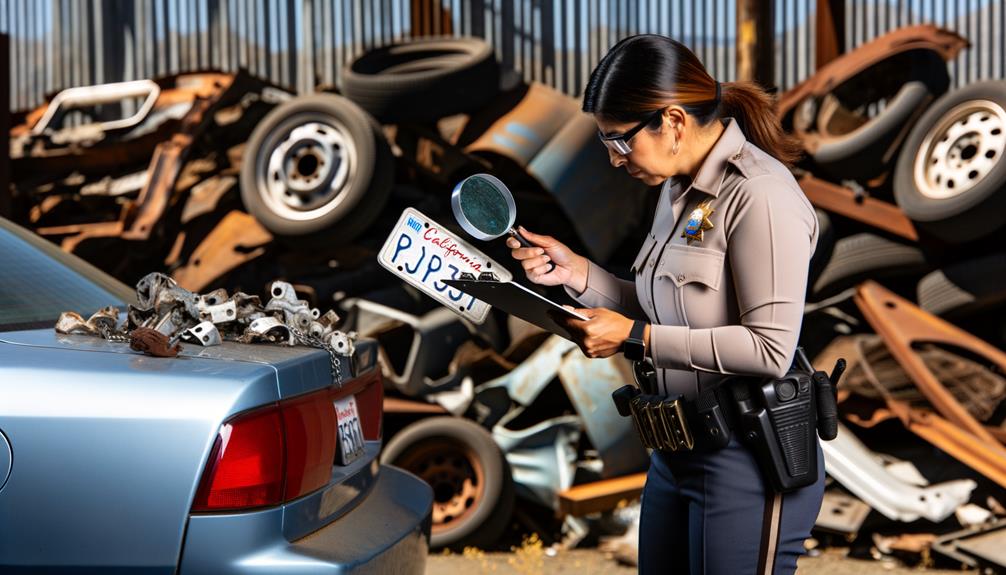
California's VIN verification process safeguards against fraud and theft by ensuring that the vehicle you register is legitimate and accurately represented. When you're eyeing that salvaged beauty, this step reassures you that you're not inadvertently stepping into a legal nightmare. Imagine the freedom of driving without the shadow of doubt over your car's past. That's what VIN verification offers.
The California DMV and CHP play a crucial role in this process. They ensure the vehicle's identification number matches official records. This step is vital; it prevents the illegal registration of stolen vehicles, keeping you clear of unintended legal entanglements. Officers meticulously check components like the hood, fenders, and dashboard during the verification. It's not just about matching numbers; it's about confirming that each part of your vehicle hasn't been tampered with.
This thorough scrutiny helps in detecting any discrepancies that might indicate fraud. If a salvaged vehicle fails this verification, it might be flagged as stolen. This not only protects you but also maintains the integrity of the vehicle registration system. You're not just buying a car; you're securing peace of mind, ensuring your freedom remains uninterrupted by the hassles of legal troubles.
Inspection Process Overview
You'll need to bring a fully assembled vehicle along with all necessary DMV paperwork and fees for your VIN verification inspection. This step is crucial in asserting your right to hit the road freely with your rebuilt ride.
The VIN verification for salvage vehicles isn't just a formality; it's your pathway to ensuring that your car's identity is legit and recognized by California authorities.
The inspection process itself is thorough and regulated. Only qualified personnel, such as California Highway Patrol officers or designated DMV employees, are authorized to conduct these inspections.
They'll check the VIN against major components like the engine, hood, and dashboard to confirm they match the details on your paperwork. This is integral to maintaining the vehicle's legitimacy and your freedom to drive without legal hindrances.
Necessary Documentation for Verification
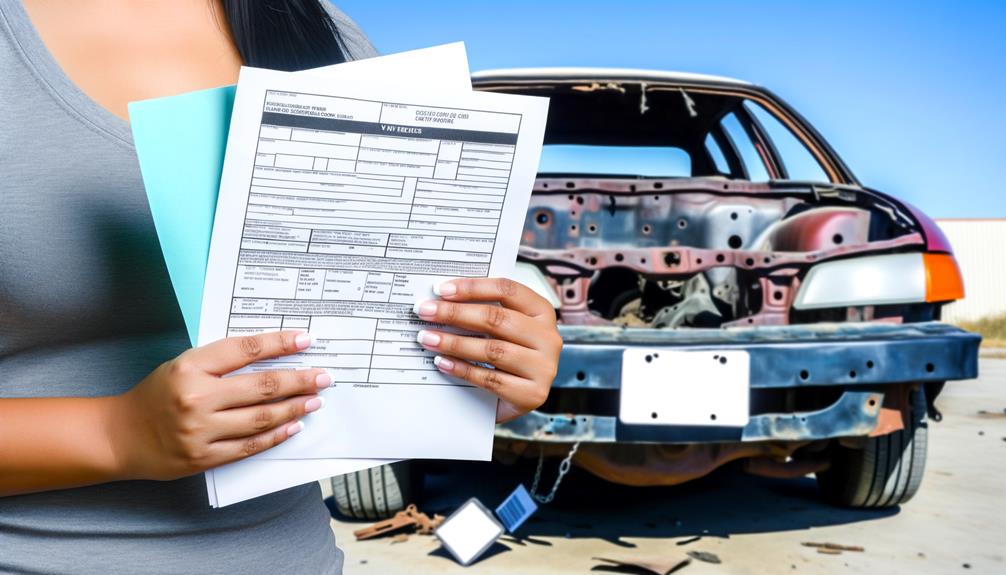
To successfully complete the VIN verification for your salvage vehicle, you must present several key documents, including a salvage certificate or bill of sale. These papers are your proof of vehicle ownership and demonstrate that you've rightfully acquired the vehicle, either through purchase or other transactions.
You'll also need to fill out the Verification of Vehicle Form (REG 31), a vital piece of DMV paperwork. This form is crucial as it records your vehicle's current condition and the VIN number, ensuring that all parts of your car are accounted for and legally obtained. Make sure your VIN number is clearly visible and matches the one on your documents to avoid any hitches at the DMV.
Additionally, gather original receipts for any major components you've replaced during the vehicle restoration. These receipts are necessary to show that your repairs comply with safety standards and regulations, reinforcing your claim to a legitimate, road-worthy vehicle.
Lastly, ensure your vehicle is fully assembled when you present it for verification. Have all your DMV paperwork and associated fees prepared to streamline the process, letting you hit the road sooner rather than later. Embracing this freedom responsibly means handling these essentials upfront.
Challenges in Salvage Vehicle Registration
While preparing your documentation and vehicle for VIN verification is a significant step, registering a salvage vehicle presents its own set of challenges. You're striving for freedom from bureaucratic hurdles, yet California's requirements for salvage vehicles can feel like a tight leash.
The California Highway Patrol (CHP) is tasked with conducting VIN verifications, ensuring the vehicle's identity matches its documentation. This is crucial for preventing the registration of stolen or illegally owned vehicles.
However, obtaining all necessary paperwork, including original receipts for any replaced parts and complete DMV documentation, is often a demanding process. If you miss a document or it's incomplete, you're likely to face delays or outright denial of registration. This meticulous scrutiny is meant to protect you, but it can feel like a significant roadblock to getting back on the road.
Moreover, there's a $50 inspection fee for the VIN verification process. For many, this adds an extra burden when dealing with salvage vehicles. If your documentation is flagged as incomplete or inaccurate, this can further complicate your ownership and legal compliance, tethering your aspirations for a smoothly restored vehicle to frustrating administrative processes.
Benefits of VIN Verification Services
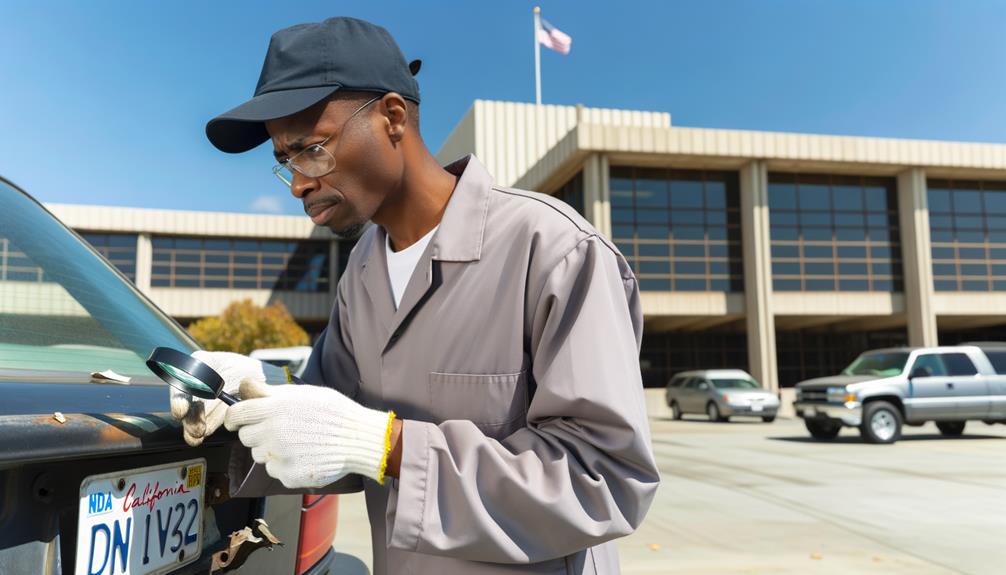
VIN verification services streamline the registration of salvage vehicles, ensuring their legality and reducing the risk of future complications.
By confirming that your vehicle's identification number matches official records, you're not just complying with California DMV regulations; you're also safeguarding your freedom to drive without legal hassles down the road.
When you use VIN verification services, you're taking an essential step to secure the legal status of your salvage vehicle. This process is more than a formality; it's a shield against the possibility of unknowingly purchasing a stolen vehicle. Authorized verifiers, such as the California Highway Patrol or licensed vehicle verifiers, are trained to spot any discrepancies in VINs that could indicate fraud or misrepresentation.
Moreover, opting for VIN verification can save you a lot of time and effort. Instead of waiting for lengthy DMV appointments, these services offer a quicker, more efficient inspection process. You'll spend less time dealing with bureaucratic delays and more time enjoying your vehicle.
Ultimately, VIN verification ensures that the vehicle history of your salvage vehicle is thoroughly checked and documented. This not only enhances your vehicle's resale value but also gives you peace of mind, knowing that your vehicle's past is clear and documented.
Future Implications for Vehicle Owners
Understanding the future implications of VIN verification for your salvage vehicle can significantly impact its marketability and legal standing. When you tackle VIN verification head-on, you're not just complying with the law; you're setting yourself up for a smoother ride when it's time to sell or insure your vehicle.
This process ensures that your salvaged vehicle, once a wreck, is now recognized by the DMV and potential buyers as legitimately restored and road-worthy.
Completing VIN verification is crucial before you can claim a rebuilt vehicle title. This title is your ticket to proving that your vehicle has been properly reconstructed and is compliant with safety standards. Without it, you're stuck with a car that's tough to insure and even tougher to sell.
Imagine wanting to transfer ownership but hitting a wall because your documentation isn't in order. Keeping a meticulous record of your VIN verification helps avoid such hitches, ensuring that DMV registration and ownership transfers are seamless.
You're not just preserving your freedom to use and sell your vehicle; you're also enhancing consumer confidence and upholding the value of your investment. Stick to the rules now, and you'll enjoy greater freedom later.
Frequently Asked Questions
Why Do I Need a VIN Verification in California?
You need VIN verification in California to ensure your salvaged vehicle is legit and meets state standards. It's about keeping your ride legal and out of trouble with the law.
What Does CHP Check for VIN Verification?
For VIN verification, CHP checks that your vehicle's VIN matches major components like the hood and dash. They ensure the engine number matches documents and confirm part replacements with original receipts.
Can a Car With a Salvage Title Be Registered in California?
Yes, you can register a car with a salvage title in California if it passes a detailed inspection by the DMV or CHP, including VIN verification, and you complete the necessary paperwork.
How Do You Tell if a Car Has a Salvage Title California?
To check if a car has a salvage title in California, you'd request its vehicle record from the DMV or consult history reports from Carfax or AutoCheck. Always verify before buying!