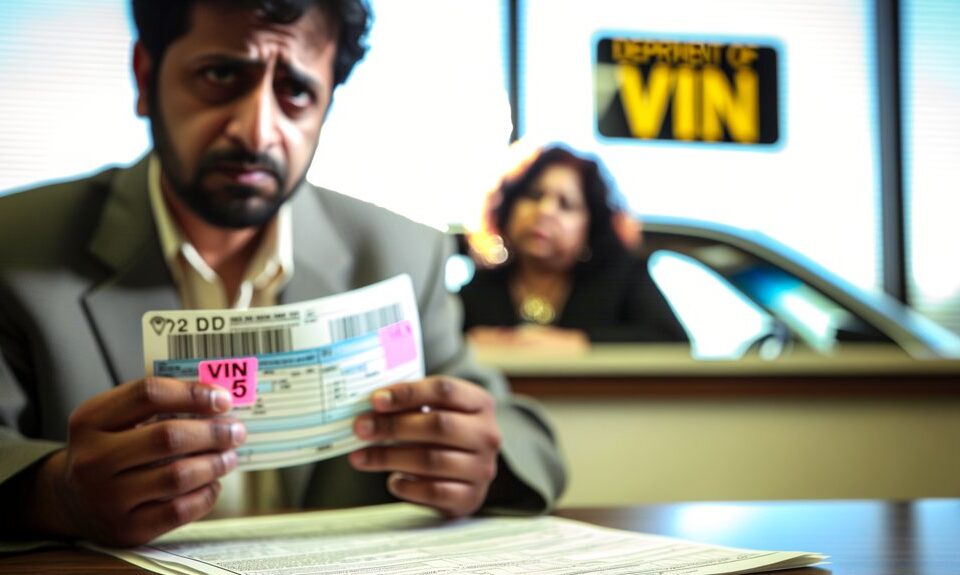
Why VIN Verification Is Necessary for Salvage Vehicles in California
August 8, 2024
How Weather Conditions Can Affect VIN Verification in Riverside
August 8, 2024
If you're planning to import a vehicle into the U.S., you'll need to understand the VIN verification process, a critical step that shouldn't be overlooked. This procedure ensures the vehicle meets specific safety and emission standards before it's registered. You'll find that the process involves several detailed checks, from matching the Vehicle Identification Number with official documents to inspecting the federal compliance labels. Why is each step crucial, and what could potentially go wrong if details are missed? Consider the complexities and potential pitfalls that await as you navigate this essential but intricate validation.
Purpose of VIN Verification
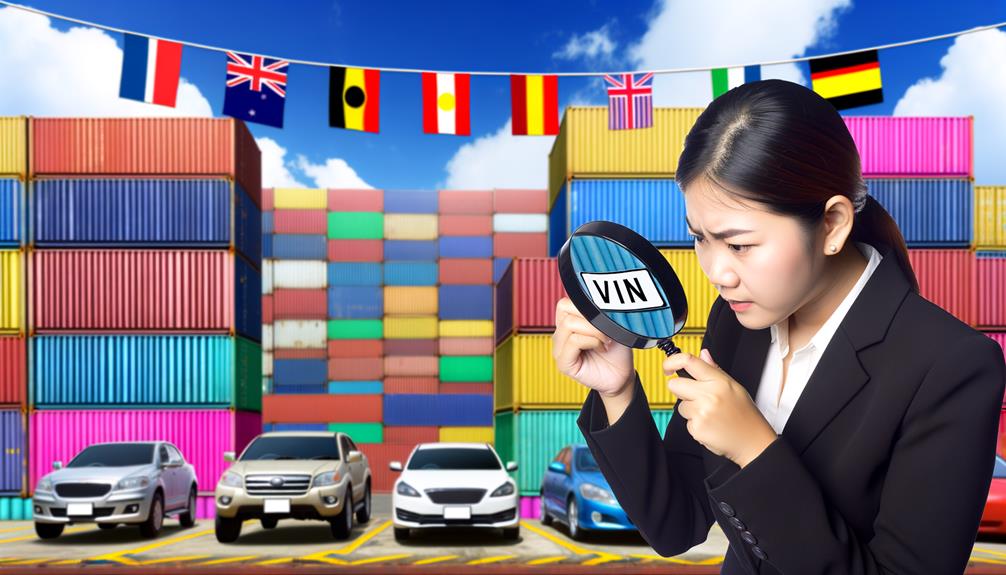
VIN verification is crucial because it ensures the Vehicle Identification Number on your imported vehicle matches the DMV's records, safeguarding against fraud and ensuring compliance with safety standards. This process is your ticket to hitting the road with confidence, knowing your vehicle isn't just another number.
When you enlist a vin verifier, you're not just ticking a box. You're taking a vital step to protect your freedom on the open road.
Imagine cruising without a care, confident your ride's history is legit and its future secure. That's what VIN verification offers. It's about more than just aligning numbers; it's about ensuring that your vehicle's identity is validated, steering clear of any legal or safety pitfalls that could disrupt your journey.
With a verified VIN, you wave goodbye to worries about odometer tampering or hidden histories of theft and accidents.
A vin verifier acts as your ally, helping you navigate through the bureaucracy to secure your vehicle's rightful place in the DMV's records. This isn't just about adhering to rules; it's about claiming your right to a vehicle that truly belongs to you and ensuring every mile you travel is backed by certainty and safety.
Components of VIN Verification
Let's delve into the components of VIN verification, starting with the matching of the Vehicle Identification Number with your vehicle's title and DMV records to confirm its accuracy. This is crucial, as it ensures your vehicle's identity is legitimate and that you're not inadvertently stepping into legal troubles with a mismatched or tampered VIN.
Next up, the verification process takes a close look at your vehicle's odometer. Whether your odometer is digital or analog, the inspector records the actual mileage displayed. This step is vital for maintaining your freedom to sell or insure your vehicle without disputes over its true mileage.
Additionally, the inspection includes a thorough check of the federal compliance labels on your vehicle. These labels are key indicators that your vehicle meets essential safety standards, which isn't just a regulatory formality but a cornerstone of your safety on the road.
Furthermore, the body type of your vehicle, whether it's a two-door or four-door, is verified against DMV records. This ensures that the description on paper matches the actual vehicle, safeguarding your ownership rights.
Lastly, for those importing vehicles into California, emissions labels are scrutinized to ensure compliance with the state's stringent environmental standards, keeping your vehicle legally ready for those California roads.
Step-by-Step VIN Process

To begin verifying your imported vehicle's VIN, DMV personnel will first inspect the vehicle to ensure the VIN matches the title information. This initial step is crucial in safeguarding your freedom to use and own your vehicle without legal hitches.
Next, they'll check your odometer. Whether it's digital or analog, they'll document the actual mileage. This step is more than just a formality—it ensures the vehicle's history is transparent and consistent with its records.
Inspectors also examine federal compliance labels on your vehicle. These labels are your assurance that the vehicle adheres to safety standards, crucial for your peace of mind on the road. Additionally, they'll look for emissions labels, especially important if you're in states with stringent standards like California. This isn't just about following rules—it's about ensuring your vehicle is environmentally friendly and ready for the road.
If any discrepancies arise between the VIN number on your vehicle and your documentation, this could trigger further investigation. It's pivotal that these numbers match to avoid future issues with title transfers or registration.
This thorough process helps maintain your vehicle's integrity, ensuring you're free to enjoy your ride without legal troubles.
Importance of Accurate Information
Understanding the importance of accurate information can help you navigate the complexities of importing a vehicle and ensure compliance with all necessary regulations. When you're importing a vehicle, every detail counts. Accurate vehicle information isn't just a formality—it's your ticket to freedom on the roads, without legal hitches or delays.
Errors in your vehicle identification, like incorrect VIN entries, can snag your registration process, leaving you in limbo as you sort out the paperwork. You don't want to be stuck unable to drive your newly imported ride because of avoidable mistakes.
Moreover, accurate odometer readings are crucial. They keep you clear of legal troubles such as odometer fraud, ensuring that you're not unwittingly buying into a scam or selling one.
Additionally, ensuring your vehicle has intact federal and emissions labels is vital; these are passports for your vehicle's compliance and registration. Without them, your vehicle's legality on the road hangs in the balance.
Lastly, a precise record of vehicle history fortifies your ownership claims and wards off potential legal disputes over title discrepancies. It's about securing your freedom to roam, with peace of mind that your vehicle won't let you down.
Common VIN Verification Issues

While verifying your vehicle's VIN, you may encounter common issues such as incorrect VIN entries due to human error, which can cause significant discrepancies in DMV records. Such mistakes throw a wrench in what should be a straightforward course to ensuring your vehicle's freedom on the road. You'd want to double-check these entries yourself to prevent errors that could delay your adventures.
Another snag you might hit is discrepancies related to the odometer reading. Odometer rollbacks or misreporting of mileage can seriously mess with the verification process. Accurate odometer readings are vital for confirming your vehicle's history and ensuring you're not caught off guard by unseen wear and tear. It's all about knowing exactly what you're getting into and maintaining control over your vehicle's narrative.
You should also be wary of missing or damaged federal labels, which can hinder verification of compliance with safety standards. Such issues could delay your vehicle's registration, chaining you to bureaucracy longer than necessary. Make sure all labels are intact and legible to avoid these roadblocks.
Lastly, be mindful of any alterations from accidents which might affect emissions standards compliance, as these could raise red flags during VIN verification. Keep your documentation thorough to breeze through checks and keep your journey smooth.
Legal Implications of VIN Errors
Errors in your vehicle's VIN can lead to severe legal troubles, including impoundment and hefty fines. When there are discrepancies in your VIN, you're not just facing a simple clerical issue; you're up against potential accusations of fraud or theft. These aren't just inconveniences—they're serious legal battles that could tie you up in court and hit your wallet hard.
Imagine trying to register your vehicle only to find out that a VIN error bars you from legally driving it. Without proper registration, you can't get insurance, and without insurance, you're stuck. You won't just be inconvenienced; you'll be immobilized. Each day your car sits idle, you're losing freedom and flexibility, not to mention the money spent on a vehicle you can't even use.
Moreover, a mismatched VIN can ignite ownership disputes. If your vehicle's VIN doesn't match the official records, proving that it's rightfully yours becomes a nightmarish tangle of legal proceedings, potentially draining your resources and energy.
You need to ensure every detail is accurate right from the start to avoid these pitfalls and keep your vehicle—and your life—moving smoothly.
Enhancing Public Safety Through VIN
By verifying the VIN of imported vehicles, we ensure they meet all required safety and emissions standards, significantly enhancing public road safety. This crucial step allows you the freedom to drive with confidence, knowing your vehicle isn't just legal, but also up to par with stringent safety norms.
VIN verification also serves as a powerful tool against crime. By checking the VIN, authorities can spot and stop stolen vehicles from being sold or used. You're not just buying a car; you're ensuring it's rightfully yours, free from the shadows of theft and illegal dealings. This process supports a market where fairness rules and dodgy deals don't stand a chance.
Furthermore, this procedure ensures that vehicles with fraudulent titles don't make it to the roads. You're guaranteed a clean, legitimate title, reinforcing your right to own and operate your vehicle without any lurking legal troubles. It's about maintaining your freedom to move, unbounded by concerns over safety or legality.
Lastly, VIN verification maintains pristine DMV records. Accurate records mean smoother transactions and interactions with vehicle authorities, freeing you from potential bureaucratic hassles linked to inaccuracies. It's not just about compliance; it's about ensuring a hassle-free vehicle experience.
VIN Verification for Imported Vehicles
Now let's examine how VIN verification applies specifically to imported vehicles. You've taken the leap to import a vehicle, embracing the freedom to choose a ride that really resonates with you.
However, to ensure your international treasure can legally hit the roads, it's crucial to verify its Vehicle Identification Number (VIN). This process confirms that the vehicle meets U.S. standards and the details match the documentation from your importing agency and the DMV records.
During the VIN verification, an inspector will thoroughly check your vehicle to ensure the VIN is accurate and hasn't been tampered with. This step is vital to prevent any fraud and to verify your vehicle's legitimacy within the DMV database. They'll also record the mileage, checking if the odometer is digital or analog, which further ensures the vehicle's authenticity.
Additionally, compliance with federal safety standards is a must. The inspector will look for federal labels on your vehicle, confirming it meets all regulatory requirements.
Be aware that common issues, such as discrepancies in the VIN from incorrect documentation or missing emissions labels, might complicate the process. Getting these elements right guarantees your freedom to roam in your imported vehicle without legal hurdles.
Frequently Asked Questions
How Long Does CHP VIN Verification Take?
You'll find that a CHP VIN verification typically takes 15 to 30 minutes. However, booking an appointment is wise as walk-ins might wait longer. Check the fee in advance to avoid surprises.
How to Clear a Vehicle Through Customs?
To clear a vehicle through customs, you'll need the original bill of sale, title, and a completed Customs Declaration Form. Ensure it meets U.S. standards and be ready to pay any duties.
What Is the Process of VIN Verification in California?
You'll take your imported car to DMV, where officials verify the VIN matches your title. They'll check odometer accuracy, federal compliance, body type, and emissions to meet California's strict standards.
How Much Does a VIN Verification Cost in California?
You'll find that a VIN verification in California typically costs around $20, but prices can vary. It's worth checking directly with your local DMV or private providers, as fees can range up to $100.