Understanding the VIN Verification Process for Imported Vehicles
August 8, 2024
The Benefits of Using Certified VIN Verification Services
August 8, 2024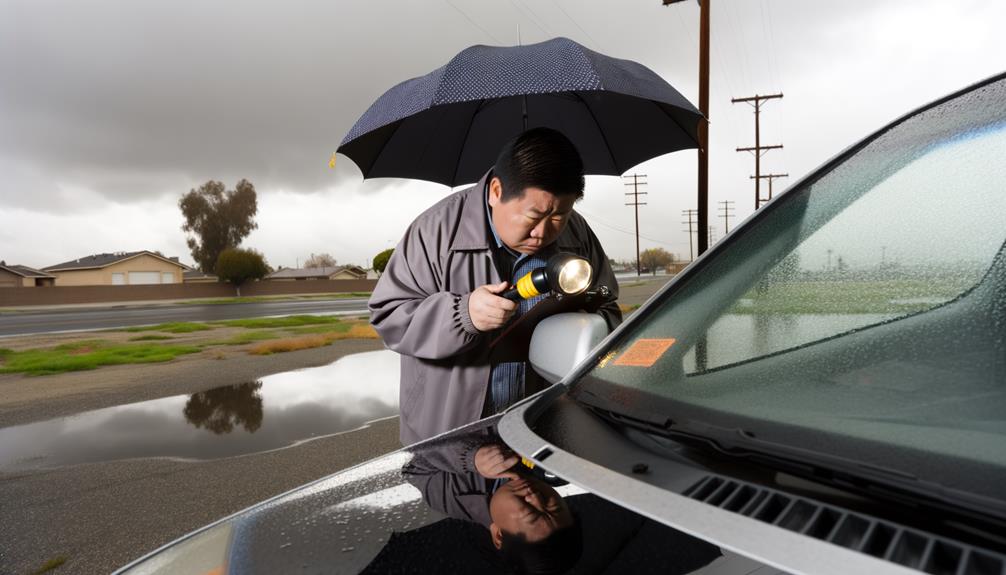
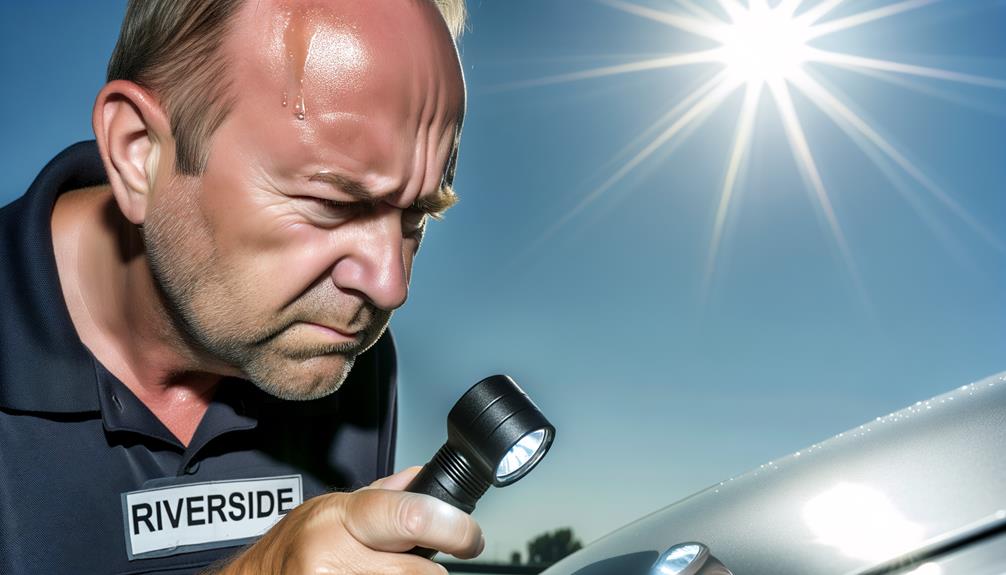
You've probably noticed how the sweltering heat or a sudden downpour in Riverside can disrupt your day, but have you considered how these conditions affect VIN verifications? In the fierce Riverside summers, inspectors might struggle with accuracy as high temperatures impact concentration and equipment performance. On rainy days, visibility issues and physical obstructions can obscure VIN details, leading to potential errors in documentation. As you consider the broader implications of these disruptions, think about how they might influence not just the day-to-day operations but also the broader economic and safety standards in vehicle inspections. What strategies could be implemented to mitigate these weather-related challenges?
Riverside Climate Overview

Riverside's Mediterranean climate, featuring hot, dry summers and mild, wet winters, directly impacts when and how you can conduct VIN verifications. During those scorching July days, when temperatures soar to 95°F, you might find it almost unbearable to perform outdoor tasks. It's not just about comfort; high heat can affect your ability to focus and could potentially compromise the accuracy of your VIN inspections.
You value your autonomy — the ability to plan your day and execute tasks without unnecessary hindrance. However, the adverse weather conditions characteristic of Riverside's climate zones can challenge this independence. The heat specifically necessitates early morning or late afternoon schedules to dodge the worst of the sun's rays, ensuring both your comfort and the efficacy of your work.
Moreover, the average wind speeds, peaking in April, can stir up dust storms. These not only obscure visibility but also make outdoor paperwork a hassle. Imagine trying to record VIN details as paperwork flies around or dust clouds your vision. Such conditions demand flexibility and perhaps even a bit of creativity in how and where you conduct your verifications, ensuring you maintain accuracy and efficiency despite the challenges thrown by nature.
Impact of Precipitation
Rainfall averaging 10 inches annually in Riverside, particularly during February, can make roads slippery and reduce visibility, complicating your VIN verification process. When it's crucial to keep your schedule flexible, remember that nature doesn't always play along.
The local Department of Motor Vehicles may postpone patrol VIN inspections during heavy downpours for safety. You've got the freedom to reschedule, but it's a hiccup you'd rather avoid.
Wet conditions not only affect road safety but also the clarity of your vehicle's VIN. Imagine trying to check a smeared, obscured VIN plate while the rain is pouring; it's not ideal, right? This scenario can lead to errors in recording the VIN, potentially causing further administrative headaches for you. It's about maintaining control over your time and ensuring that the verification process is as accurate and hassle-free as possible.
Moreover, the heightened risk of accidents on slippery roads demands extra caution. You're not just going to a verification appointment; you're navigating a challenge. The local Department of Motor advises delaying your travel during severe weather, prioritizing your safety above all.
Temperature Effects on Inspections
Cold temperatures below 32°F may suspend VIN Verification services in Riverside, impacting both inspection protocols and safety.
You're likely aware of how chilling conditions can cramp your style, and it's the same deal with getting your VIN number verified. Imagine having to delay your vehicle registration or sales because the Department of Motor Vehicles (DMV) can't verify your car due to freezing weather. That's a freedom-limiting snag you don't need.
On the flip side, when summer hits with highs up to 95°F, you're not the only one feeling the heat. The equipment used for VIN Verifications suffers too, leading to malfunctions and inefficiencies. It's crucial that you plan your inspection around these temperature extremes to avoid any hitches in the process. After all, you'd want your vehicle's legality squared away fast and without fuss.
Additionally, temperature swings aren't just uncomfortable; they mess with your vehicle's performance. This can trigger more detailed inspections, as inspectors are on the lookout for any issues that may compromise your car's integrity.
Always check the forecast and touch base with your local DMV before heading out; it's your best bet for a smooth and timely verification process.
Humidity and Visibility Challenges
High humidity levels during Riverside's winter months often lead to foggy conditions that can obscure your vehicle's VIN during inspections. This reduced visibility not only slows down the process but also demands extra vigilance. You'll find that moisture accumulation on your car might mask important details like the VIN, making it tougher for inspectors to do their job quickly and accurately.
In these conditions, it's crucial you turn on your headlights. This simple step boosts visibility, ensuring that both you and the inspectors can see clearly, despite the fog. It's all about maintaining the freedom to move through your day without unnecessary delays or complications.
Remember, planning your VIN verification during times of lower humidity can spare you a lot of hassle. Since Riverside experiences significant humidity in the winter, scheduling your inspections on drier days could make a big difference. This isn't just about convenience—it's about asserting control over your schedule and ensuring that your vehicle checks go off without a hitch.
Stay proactive about checking the weather and adapting to it. Embracing this approach lets you navigate the verification process with ease, keeping you free from the bind of weather-induced complications.
Wind Influence on Vehicle Checks
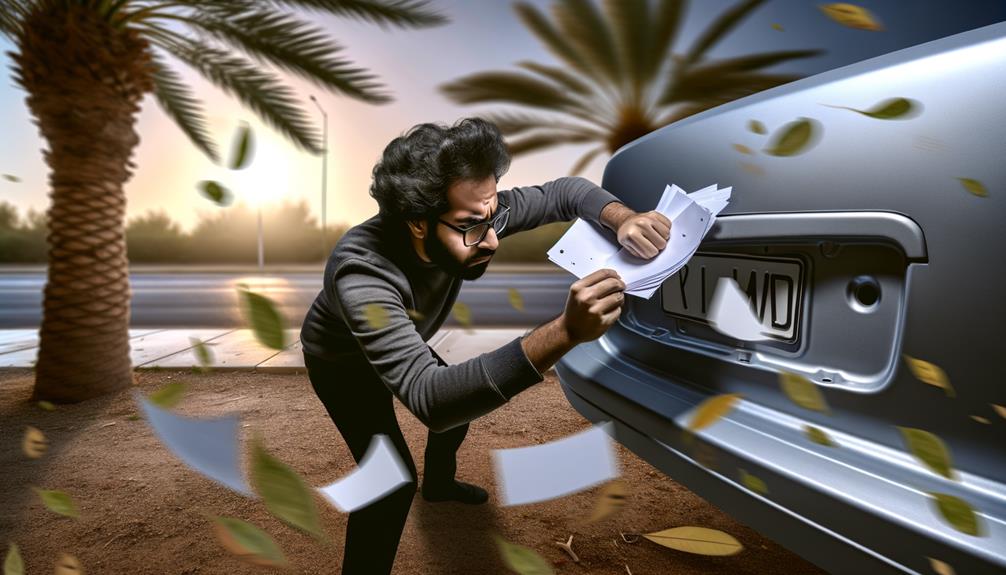
While handling the challenges of humidity and visibility, it's also important to consider how Riverside's wind speeds, reaching up to 9 mph, can affect your vehicle checks. When you're gearing up for a VIN verification, essential for a smooth Title Transfer, keep in mind that April's gusts can stir up dust storms, obscuring critical details of your vehicle.
You value your freedom, so it's crucial to plan ahead. Imagine scheduling a verification, only to have it disrupted by a dust-laden gust. This scenario isn't just inconvenient; it can delay your entire transfer process, chaining you to uncertainty.
Furthermore, strong winds can make it tough for law enforcement or inspectors to perform their tasks efficiently outdoors. They might struggle to read your VIN accurately, which is pivotal in ensuring that the vehicle you're buying or selling is exactly what it's supposed to be.
To combat these challenges, consider opting for a sheltered spot or a less windy day for your verification. This proactive approach not only speeds up the law enforcement checks but also secures your Title Transfer without unnecessary hitches.
Economic Considerations
Adverse weather conditions can delay your VIN verification, potentially affecting vehicle sales and increasing operational expenses for inspection stations.
When you're locked in delays, it's not just about waiting; it's about your freedom to trade or sell your vehicle being stifled. Imagine you've got a buyer lined up, the Bill of Sale is ready, but you can't complete the transaction without a verified VIN. It's frustrating, right?
As the backlog at verification stations grows, so do your costs. You might find yourself needing to travel farther or even seek out private verifiers who charge a premium. This isn't just about added expense; it's about an unnecessary drain on your time and resources—resources that could be better spent elsewhere.
Furthermore, consider the interaction with the Highway Patrol during these times. Without a current registration, you're at a higher risk for penalties, adding yet another layer of economic concern.
The ripple effect of these weather-induced delays means local dealerships also feel the pinch, potentially seeing a dip in sales figures during typically high-performance months.
Safety Protocols During Adverse Weather
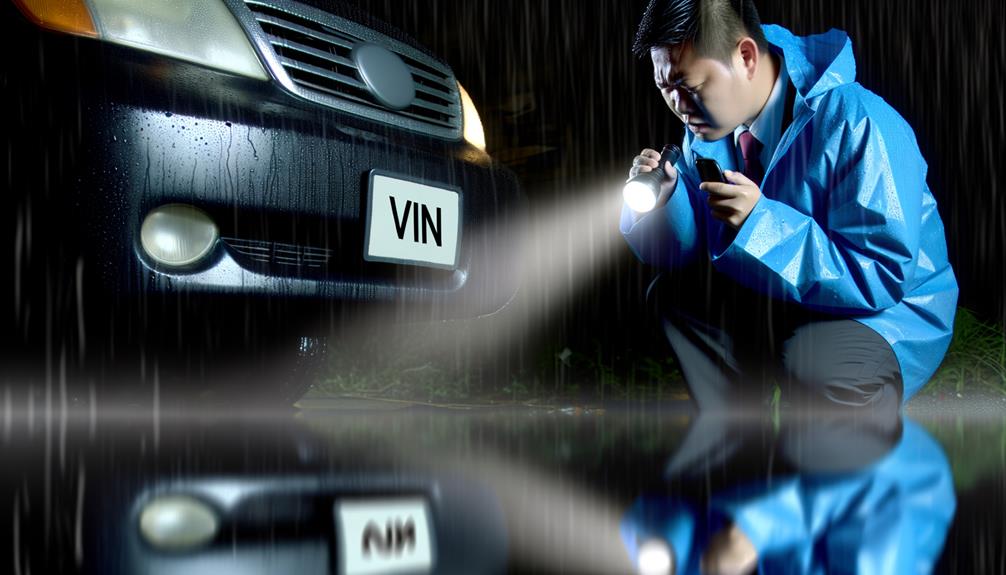
You should be aware that VIN Verification services may halt during severe weather, like snow or heavy rain, to prioritize safety for everyone involved. Safety protocols are crucial during these times to ensure that both you and the verification personnel aren't exposed to unnecessary risks. Before setting out, it's wise to check the current weather conditions and confirm whether the services are operational.
Keep in mind that adverse conditions such as icy roads or reduced visibility necessitate extra caution. If the weather has turned particularly nasty, slipping on roads can increase the likelihood of accidents while transporting your vehicle for verification. This is why safety evaluations of outdoor verification setups are a routine part of the protocol, ensuring that the location is secure and the visibility is adequate for a thorough inspection.
To avoid any inconvenience, please contact your local inspection station ahead of time during bad weather. They'll provide you with the latest updates on service availability. This step not only keeps you compliant with safety guidelines but also respects your freedom to manage your schedule without unnecessary disruption.
Adapting Inspection Strategies
To adapt your inspection strategy effectively, it's crucial to monitor the weather closely and confirm your appointment's status before departing. Don't let unpredictable weather dictate your plans. Instead, take control by staying informed and proactive. Check the latest weather forecasts and reach out to the inspection station to ensure they're operating as expected. This small step can save you a lot of hassle.
Consider opting for indoor inspection facilities when the forecast looks grim. These venues offer a reliable alternative, ensuring that rain or snow won't derail your day. By choosing an indoor facility, you sidestep the weather's unpredictability and keep your schedule intact.
Flexibility is your greatest asset. Remember to have a backup plan and be ready to reschedule if necessary. The Department of Motor Vehicles understands that weather can be a formidable opponent, and they're typically accommodating of rebookings. Make sure you're familiar with their policies on cancellations and rescheduling due to weather conditions.
Lastly, aim to schedule your VIN Verification during typically drier months or when the weather generally seems more cooperative. This foresight minimizes potential disruptions, letting you maintain your freedom and keep your plans on track.
Frequently Asked Questions
What Do They Check for VIN Verification in California?
In California, they'll check your vehicle's VIN matches its title and registration, ensure it's not tampered with, and confirm compliance with state regulations, including emissions and safety features during VIN verification.
What Does CHP Check on a VIN Verification?
In a VIN verification, you'll find the CHP checking for signs of tampering, ensuring the VIN matches your vehicle's records, and verifying the make, model, and year align with your title and registration.
Does AAA Do VIN Verification in California?
AAA doesn't perform VIN verifications in California. You'll need to visit DMV offices, certain local law enforcement agencies, or CHP-designated stations to get this service done. Always check ahead for availability and requirements.
What Does VIN Check Show?
A VIN check shows a vehicle's history, including accidents, ownership, and potential legal issues. It'll reveal odometer fraud, safety recalls, and where it's been registered, crucial for making an informed purchase decision.