VIN Verification Requirements for RVs and Motorhomes in California
August 8, 2024
How to Schedule a VIN Verification Appointment in Riverside
August 8, 2024
Have you ever considered how VIN verification might affect the resale value of your vehicle? When you're looking to sell, the transparency that comes with a verified VIN can significantly boost buyer confidence. This process not only clarifies your car's history but also reassures potential buyers about its legitimacy and condition. While a clean vehicle history can lead to higher offers, unresolved issues flagged during the verification might complicate your sale. With this in mind, you might wonder what specific aspects of a vehicle's history weigh most heavily on its market value. Let's explore which factors can make or break the deal.
Understanding Vehicle History Reports

Why should you care about vehicle history reports when buying or selling a car?
Freedom in the automotive world means knowing exactly what you're getting into, and that's where a detailed vehicle history comes into play. When you grab that report, you're unlocking secrets that a car holds, from past accidents to mileage accuracy. This isn't just about avoiding lemons; it's about ensuring your car maintains its resale value.
By checking the VIN, you can verify the car's identity and ensure there's no tampering or hidden issues. Knowing the vehicle's full story, including how many hands it has passed through and how well those owners cared for it, can significantly sway its market price. You don't want to find out later that your new ride was once salvaged or involved in a major accident, both of which can tank its resale value.
With a comprehensive vehicle history report, you arm yourself with knowledge to make informed decisions. You're not just buying a car; you're investing in your mobility and freedom. Ensure that investment is sound by demanding transparency.
After all, your car's past dictates its future, and you deserve to steer that future confidently.
Assessing True Vehicle Value
To accurately assess a vehicle's true value, you must consider the comprehensive insights provided by a verified VIN. This isn't just about knowing the age or model; it's about unlocking the full story of the vehicle's past that directly impacts its resale value. VIN verification acts as your key to this crucial information.
When you're eyeing freedom with your next car purchase, understanding its past through a vehicle history report is essential. This report, anchored by VIN verification, highlights any skeletons in the closet—like past accidents or odometer fraud—which could drastically alter what you're willing to pay.
And let's face it, you don't want surprises that tether you to costly repairs or a car that loses value faster than it burns fuel.
Moreover, a clean history report backed by thorough VIN verification can boost the car's market appeal, ensuring you can demand a higher resale price when it's time to move on. Vehicles with a transparent and verified history are like gold in the resale market—they're trusted more and, therefore, valued higher.
Maintenance and Resale Value
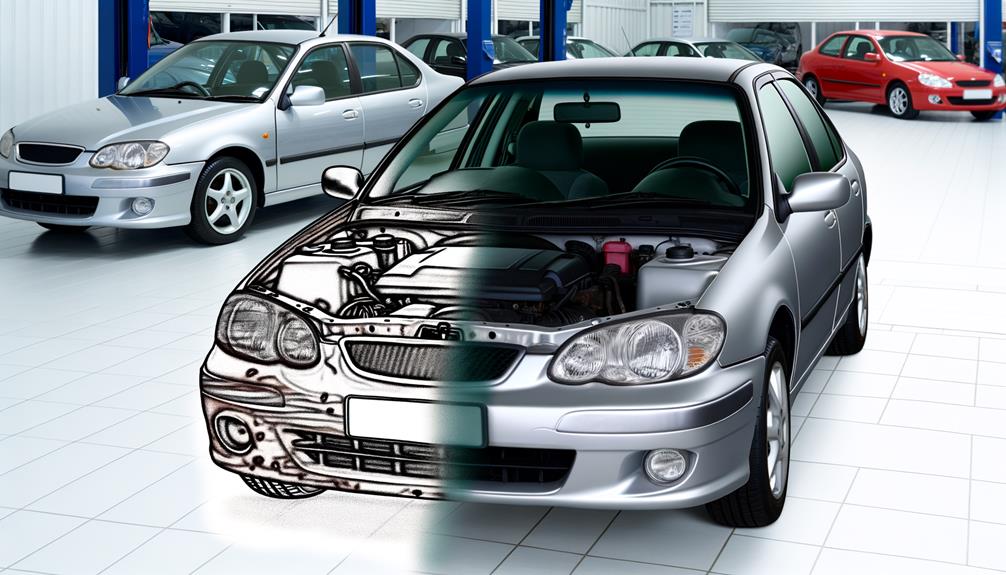
Maintaining your vehicle consistently not only ensures reliability but also significantly boosts its resale value. When you're free to hit the road anytime, knowing your car's in top shape thanks to regular check-ups, you're not just preserving its performance; you're setting up for a higher return if you decide to sell.
Through VIN verification, your car's maintenance history is clear and accessible, reassuring potential buyers of its impeccable upkeep, which directly enhances its resale value.
Imagine showcasing a vehicle where every oil change, brake service, and recommended maintenance is neatly documented and linked to its VIN. This level of transparency not only instills confidence in buyers but also allows you to command a higher price.
After all, a well-maintained car means fewer worries about future repairs, making your offer more attractive. Buyers are often willing to pay a premium for such certainties.
Preventing Odometer Fraud
You can safeguard against odometer fraud by accessing a vehicle's detailed mileage records through its VIN. This step is crucial in preserving your freedom to choose a car that truly reflects its value and history, without being misled by tampered mileage.
Odometer fraud, where sellers illegally roll back the odometer to inflate the car's resale value, can severely impact your financial investment.
Impact of Accidental Damage
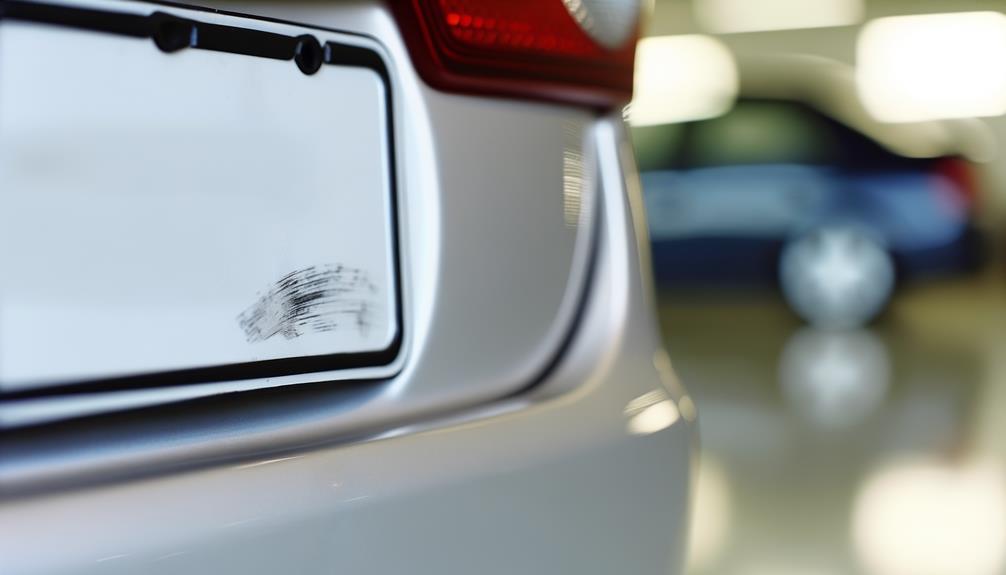
Accidental damage significantly reduces a vehicle's resale value, particularly if it involves structural repairs or is documented in the vehicle's history report.
When you're eyeing a car, whether for cruising down open roads or simply for the freedom of mobility, understanding its past through a vehicle history report is crucial. This document lays bare any skeletons, like accidental damage, which could haunt your investment.
VIN verification plays a pivotal role here. It not only reveals if a car has been in accidents but also the severity of these incidents. If you're considering buying or selling, knowing the extent of accidental damage and the quality of the repairs can make or break the deal. Well-documented and professionally repaired vehicles stand a better chance of holding their value, giving you more leverage in negotiations.
However, vehicles with a history of accidents, even if expertly fixed, are often seen as less reliable. Buyers might think twice, fearing future complications. They'll likely negotiate harder, pushing the price down further.
Transparency about a car's past accidents through VIN verification can boost a buyer's confidence, ensuring you're not locked into a sale that undervalues your freedom on the road.
Importance of Ownership History
Delving into a vehicle's ownership history sheds light on its resale value, revealing how many hands it's passed through and the care it has received. When you're eyeing a car, its VIN gives you a gateway to uncover this vital history. You'll see not just how many have owned it, but also how long each kept it. Fewer owners usually mean a steadier, more loving hand at the wheel, which can significantly boost a car's value.
A car that's bounced from owner to owner might raise red flags. You're savvy enough to know that a vehicle treated more like a hot potato than a cherished possession mightn't be the best bet. This ownership trail can reveal more than just the number of previous owners—it also highlights the geographical journey of the vehicle. Different climates and environments play a role in wear and tear, impacting its overall allure and functionality.
Understanding the full ownership history empowers you. It equips you with the knowledge to negotiate better, ensuring you're not just buying a car, but investing in a vehicle worthy of your freedom-loving lifestyle. Plus, it fosters transparency, which can drive up the car's value, making your decision all the wiser.
Title Verification Processes

After exploring ownership history, let's focus on title verification processes, which are equally important in assessing a vehicle's resale value. Understanding how these processes work can empower you to make informed decisions, ensuring you're not tied down by future complications.
Title verification involves checking the VIN number against state DMV records. This step confirms that the ownership history is accurate, there are no outstanding liens, and no unresolved title issues—factors that could otherwise affect the vehicle's resale value. When you know the VIN has been verified, you're assured of the vehicle's legitimacy, which not only secures your freedom from potential legal headaches but also enhances the vehicle's market appeal.
Vehicles with a clear, verified title generally fetch higher prices. Why? Because potential buyers feel more confident in the purchase, knowing that there are no hidden past damages or discrepancies. Conversely, if the title verification uncovers issues like a salvage title or previous severe damages linked to the VIN, the vehicle's value might plummet.
Therefore, ensuring accurate title verification is crucial—it's not just about maintaining competitive pricing, but also about preserving the trust of buyers and the integrity of the market.
Legal Aspects of VIN Alteration
Why should you be concerned about VIN alterations? Well, messing with a Vehicle Identification Number (VIN) isn't just a minor tweak—it's a major red flag. In California, for instance, any intentional change to a VIN without the Department of Motor Vehicles (DMV) approval is strictly illegal under VC 10750.
You're looking at severe penalties that could bind your freedom with misdemeanor or felony charges. Depending on how the law views your case, you could be locked up for anywhere from 12 months to 3 years.
Think about it; if you're ever tempted to alter a VIN for easier resale, remember that these legal consequences aren't the only risks. VIN alteration can torpedo a vehicle's resale value. Why? Because savvy buyers recognize tampered VINs as signs of potential fraud or undisclosed damages. They'll likely back away, and your chances of nailing a good deal will plummet.
However, there's a silver lining. If you acquire a vehicle and later discover the VIN has been altered, defending yourself by proving unawareness or showing the alteration was accidental, like from repairs, could shield you from harsh penalties.
Always ensure any necessary VIN changes are DMV-sanctioned, complete with all proper documentation. This not only keeps you out of legal trouble but also preserves the vehicle's value.
Enhancing Resale Value Tips

How can you boost the resale value of your vehicle?
Start by ensuring your VIN is verified and matches all your documentation. This simple step not only boosts buyer confidence but also solidifies the integrity of your vehicle's history. When you're transparent about the VIN and its history, you're more likely to attract buyers who value freedom and authenticity—key factors that can drive up the resale value.
Next, regularly update and maintain a comprehensive vehicle history report. This report should clearly detail any inspections or repairs related to the VIN. By doing so, you're providing potential buyers with a transparent snapshot of your vehicle's past, proving there's nothing to hide.
This level of openness significantly minimizes buyer's concerns over potential issues, which often leads to a smoother sale at a higher price.
Frequently Asked Questions
Can I Look up the Value of a Vehicle by VIN Number?
Yes, you can look up a vehicle's value by its VIN number using online tools like Kelley Blue Book or Edmunds, which provide accurate estimates based on the vehicle's specific history and condition.
What Factors Determine the Resale Value of a Car?
You'll find a car's resale value depends on its make, model, year, condition, mileage, accident history, and the features it offers. These factors collectively influence how much your vehicle can fetch on the market.
Why Is the Vehicle Identification Number VIN Important?
The VIN is crucial because it ensures you're not buying a lemon. It tracks a car's history, helping you dodge fraud and ensuring the ride you're getting is legit and dependable.
How Important Is Car Resale Value?
Car resale value is crucial if you're planning to sell your vehicle eventually. It determines how much cash you'll pocket, so maintaining your car in top shape is essential for a good return.