How to Schedule a VIN Verification Appointment in Riverside
August 8, 2024
How to Get a Duplicate VIN Verification Certificate
August 8, 2024
When you're in the market for a used car, knowing its past can save you a world of trouble down the line. That's where VIN verification steps in—it's your best tool for digging into a vehicle's history before you commit to buying. From uncovering mileage fraud to spotting salvage titles, a thorough VIN check can expose truths that sellers might not disclose. Have you ever wondered what hidden stories your potential new car holds? Consider how a deeper understanding of VIN verification could not only protect your investment but also give you peace of mind. What might you uncover about your next vehicle?
Overview of VIN Verification
VIN verification is a critical step in ensuring that each vehicle's unique 17-character identifier accurately reflects its history and specifications. You wouldn't want to be tied down by a vehicle that's not what it seems, right? This process is your key to unlocking a transparent relationship with your potential new ride.
When you're eyeing that shiny car, remember that its Vehicle Identification Number (VIN) holds the truth about its past. By conducting a VIN verification, you're not just buying a car; you're ensuring it hasn't been part of major accidents or covered up issues that could haunt you later. This verification links directly to Vehicle History Reports, pulling essential information such as ownership history, accident records, and title status.
Moreover, discrepancies like altered odometer readings can signal fraud. Think about it — you're aiming for freedom, not chains! Ensuring the odometer aligns with the vehicle's history keeps you from overpaying or facing unexpected repairs.
Additionally, VIN verification can reveal if the car was ever reported stolen. Knowing this can save you from legal headaches and ensure the vehicle you're driving is legitimately yours. Always check the VIN to sidestep potential pitfalls and truly enjoy the liberty of the open road.
Enhancing Purchase Transparency
By verifying the VIN, you ensure the vehicle history report you're relying on accurately reflects the car's past, enhancing the transparency of your purchase. This step is crucial, especially when you value your freedom to choose wisely and avoid potential pitfalls.
VIN verification allows you to access detailed information such as accident history, title status, and service records. These elements are vital, providing a clear picture of what you're getting into and ensuring there are no hidden surprises.
Delving deeper, VIN verification also helps identify any discrepancies in ownership that could suggest serious issues like odometer rollbacks or misrepresentation of the vehicle's condition, though the primary focus here is confirming that the vehicle matches the records. Knowing these facts upfront empowers you to make a decision that aligns with your values and expectations.
Moreover, uncovering any legal obligations, such as outstanding liens against the vehicle, is part of your due diligence. This not only protects your financial interests but also reinforces the trust between buyer and seller, cementing the foundation for a transparent transaction.
Ultimately, VIN verification is about safeguarding your freedom to make an informed, confident vehicle purchase.
Preventing Odometer Fraud
Odometer fraud, also known as rollback, can significantly inflate the value of a used vehicle, misleading you about its true condition and history. This deceit not only costs you more upfront but also burdens you with potential hefty repairs due to underestimated wear and tear.
Safeguarding your freedom to make informed decisions begins with VIN verification. By accessing detailed vehicle history reports through a VIN check, you can spot discrepancies in the mileage recorded over time. These reports pull together data points that should align sequentially. If they don't, it's a red flag indicating possible odometer tampering.
The National Highway Traffic Safety Administration (NHTSA) highlights that every year, around 450,000 vehicles are sold with altered odometers. This fact alone underscores the critical need for thorough verification before you commit to a purchase.
Engaging in VIN verification arms you against such fraud, minimizing the risk of financial loss and ensuring the mileage stated is credible. Remember, every mile that doesn't show on the odometer could cost you dearly in maintenance and resale value.
As a buyer, insisting on a vehicle history report isn't just prudent—it's a necessary step towards securing a fair deal in a market rife with uncertainties.
Identifying Flood-Damaged Vehicles
Just as odometer fraud can mask a car's true usage, flood damage can hide deeper mechanical and structural issues that aren't immediately visible. When you're eyeing that seemingly perfect car, remember that flood-damaged vehicles can carry hidden issues beneath a polished exterior. Corrosion and electronic malfunctions don't show up during a quick look-over and can haunt you later.
Vehicle history reports are your best ally here. By checking the Vehicle Identification Number (VIN), you'll uncover if the car has been branded a total loss by insurance companies due to flooding. As a potential buyer, this information is crucial—it empowers you to make informed decisions, ensuring you're not handcuffed to a vehicle plagued with mechanical problems down the road.
Moreover, the resale value of a flood-damaged vehicle is significantly lower. If not properly rectified, these vehicles can persistently underperform, turning what seemed like a bargain into a costly mistake. Always verify the quality of repairs and ensure that repair inspections have been thoroughly completed. This step is essential not just for your safety and the vehicle's reliability, but also for preserving your freedom to choose a truly dependable car.
Revealing Hidden Accident History
You'll uncover the full accident history of a vehicle, including serious incidents and structural damages, by utilizing VIN verification. This tool is crucial if you value the freedom to make choices based on real, not just apparent, conditions.
VIN verification pulls back the curtain on a car's past, revealing not just the accidents reported to insurance companies but also critical details like airbag deployments and potential hidden repair issues.
These vehicle history reports are your best defense against buying a car that might look fine on the outside but carries the scars of previous accidents underneath. They provide comprehensive data, allowing you to see beyond the seller's disclosures.
This is essential for identifying any structural damage that could compromise the vehicle's safety and performance.
Moreover, through VIN checks, you'll find out if a car was ever branded as a total loss or given a salvage title by insurance companies. Knowing this can drastically affect your decision, as such factors significantly impact a vehicle's value and reliability.
Armed with this information, you're set to make informed decisions, ensuring you're not trapped into owning a potentially unsafe or overvalued car.
Understanding Ownership Changes
Exploring the history of ownership changes in a vehicle can give you deeper insight into its past use and current condition. By examining the vehicle history reports, you're not just buying a car; you're buying its story. This story, detailed through the vehicle identification number (VIN), reveals how many hands have steered the wheel and for how long. Frequent ownership changes might wave a red flag, suggesting potential issues or dissatisfaction from previous owners.
Understanding whether the car served personal or commercial purposes is crucial. Vehicles with a history of commercial usage often bear the brunt of heavier wear and tear, which could mean more maintenance needs down the road. This isn't just about freedom from unexpected repairs; it's about knowing what you're getting into.
The title history is equally telling. If a car's title has crossed state lines multiple times, this might hint at attempts to wash away troublesome pasts. You deserve transparency when making your purchasing decision.
Detecting Airbag Deployment Issues
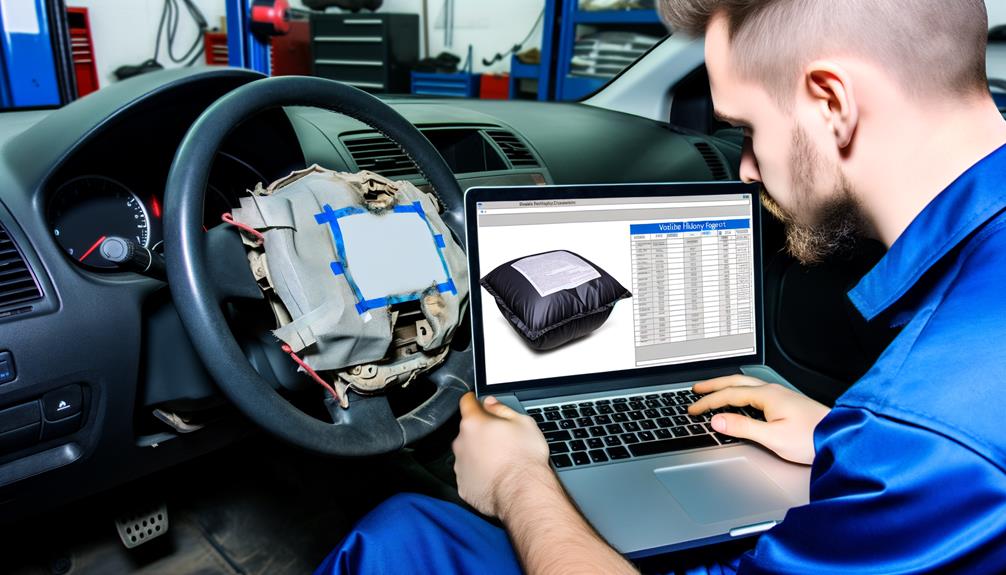
When a vehicle's airbags have deployed, it often signals involvement in a significant accident, potentially hiding structural or electronic damage. As you delve into purchasing a vehicle, understanding the full extent of previous accidents is crucial. Vehicle history reports play a key role here; they provide comprehensive reports on airbag deployments, giving you the power to make informed decisions.
A thorough inspection is indispensable, especially if the vehicle has a history of airbag deployment. This isn't just about ensuring you're not buying a lemon; it's about safeguarding your freedom to drive without unexpected hitches. Hidden structural issues or unresolved safety issues could tie you down with repairs and risks you didn't sign up for.
Before you seal the deal, verify that all airbag systems have been correctly repaired and reinspected. This step is vital for ensuring the vehicle's integrity and your safety on the road.
Also, remember, vehicles with past airbag deployments might've decreased resale values, which could influence your insurance rates and ownership costs down the line. Don't just take a seller's word for it; insist on seeing proof of repair and reinspection to truly secure your mobility and peace of mind.
Avoiding Stolen Vehicle Risks
Conducting a VIN verification helps ensure you're not buying a stolen vehicle, avoiding potential legal and financial headaches. When you're eager to enjoy the freedom that comes with owning a car, the last thing you want is to get tangled in the aftermath of vehicle theft. A simple VIN check can safeguard your investment and maintain your mobility without legal disruptions.
The National Insurance Crime Bureau offers a free service to check if a vehicle's identification number flags any stolen vehicle records. This step is crucial, as buying a vehicle reported stolen could lead to invalidated titles and a loss of ownership rights. Don't let your dream car turn into a nightmare; always verify the vehicle history before you commit.
In 2020, the FBI reported about 1.2 million stolen vehicles in the U.S., highlighting the widespread issue of vehicle theft. This makes VIN checks more than a precaution; they're a necessity for potential buyers.
Moreover, many states have mandated VIN checks during the title transfer process to catch these issues early. By ensuring your vehicle isn't part of this statistic, you protect yourself from future legal issues and confirm your path to rightful ownership.
Validating Vehicle Authenticity

By verifying the VIN, you ensure the vehicle's authenticity, protecting yourself from fraud and potential legal issues. VIN verification acts as your first line of defense against deceit, confirming that the car you're eyeing isn't just a mirage of false promises.
When you validate the vehicle identification number, you're not just buying a car; you're securing peace of mind.
Every vehicle carries its history like a badge—if you know where to look. Services such as Carfax and AutoCheck draw from extensive databases, offering vehicle history reports that detail the car's past. These reports can reveal a trove of information, from the ownership history to darker secrets like accident reports and title issues.
It's the kind of knowledge that arms you against surprises down the road. Furthermore, accurate VIN checks shield you from the unpleasant surprise of buying stolen vehicles. Law enforcement databases are part of the mix, ensuring you're not inadvertently stepping into a legal nightmare.
Supporting Informed Buying Decisions
Verifying a vehicle's VIN helps you make well-informed decisions by revealing essential information about its past. When you check the VIN, you're delving into a comprehensive document that lays bare the vehicle's accident history, ownership changes, and more. This crucial information is key to understanding the real story behind the car you're eyeing.
With accurate vehicle history reports in hand, you can spot any discrepancies that might raise red flags. Has the car been in major accidents? Are there gaps or inconsistencies in its ownership history? These details are pivotal because they can hint at underlying issues that could affect both the performance and reliability of the vehicle.
Frequently Asked Questions
Why Are Vehicle History Reports Important?
Vehicle history reports are crucial because they let you uncover a car's past issues, ensuring you're not buying a lemon. They empower you to negotiate and make confident, informed decisions.
Why Is It Important to Check the Vin?
You need to check the VIN because it's your key to unlocking a car's secretive past, ensuring you're not buying into hidden problems. It's about protecting your freedom to choose wisely.
What Does VIN History Show?
VIN history reveals a car's past accidents, title status, and mileage discrepancies. It'll show if it's been salvaged, rebuilt, or flood-damaged. You'll know the full story before making your purchase decision.
What Is the Best VIN History Report?
You're looking for the best VIN history report? Carfax and AutoCheck lead the pack, offering detailed insights into a vehicle's past, including accidents and service records, for a fee that's generally worth it.