Step-by-Step Guide to VIN Verification in Riverside, California
August 7, 2024
How to Prepare Your Vehicle for a Successful VIN Verification
August 7, 2024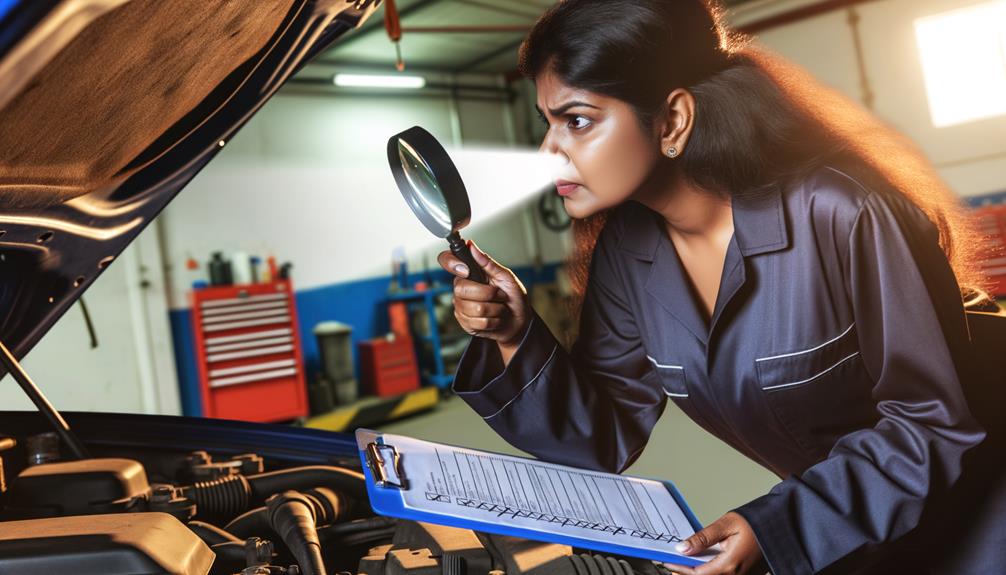
When you're navigating the complexities of VIN verification, you'll often encounter common pitfalls such as mismatched numbers between your vehicle and its documentation, or errors made by inspectors unfamiliar with certain car models. It's crucial you verify all details match perfectly before making a purchase, and consider hiring specialists for vintage or unusual vehicles to avoid costly mistakes. Keeping thorough records of any restorations will also help clear up any discrepancies during verification. But what if you've done all this and still face issues? Let's explore how these challenges can be more than just a minor setback.
VIN Mismatch Challenges
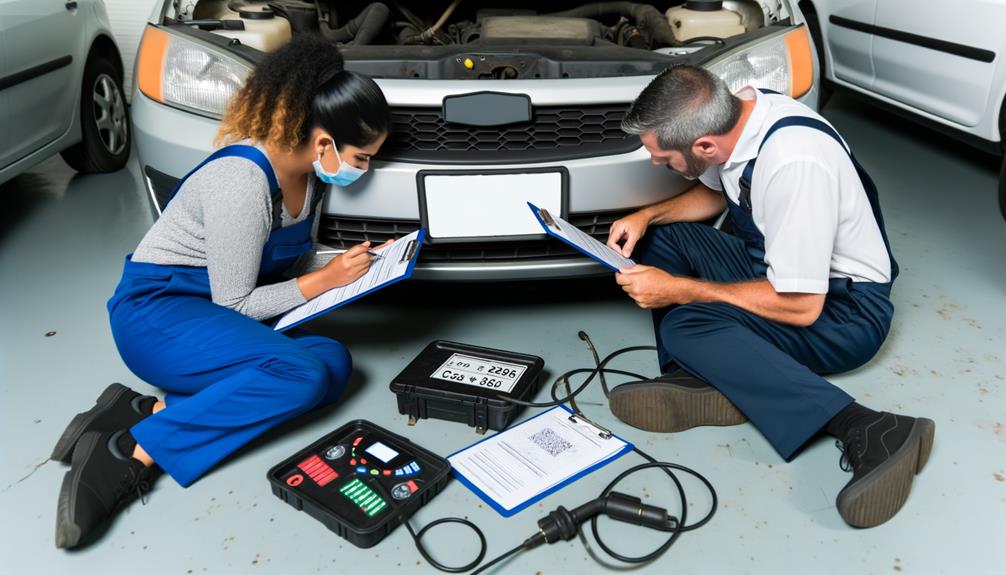
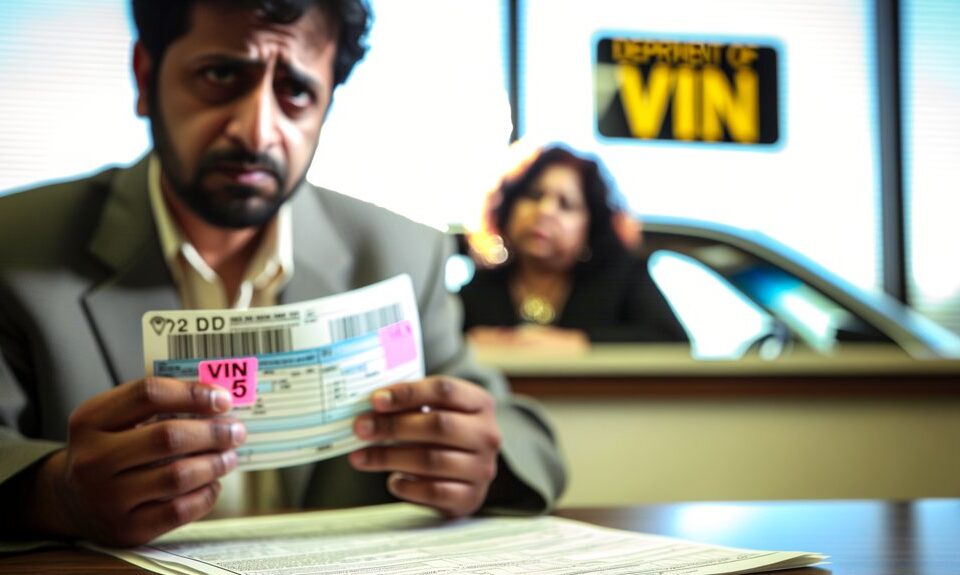
When the VIN on your vehicle doesn't match your title or registration documents, it can lead to ownership disputes and legal headaches. This error often roots in simple clerical mistakes or could hint at a more complex issue tied to your vehicle's history. You're right to demand the freedom to hit the road without these worries. Addressing VIN mismatch challenges promptly is crucial.
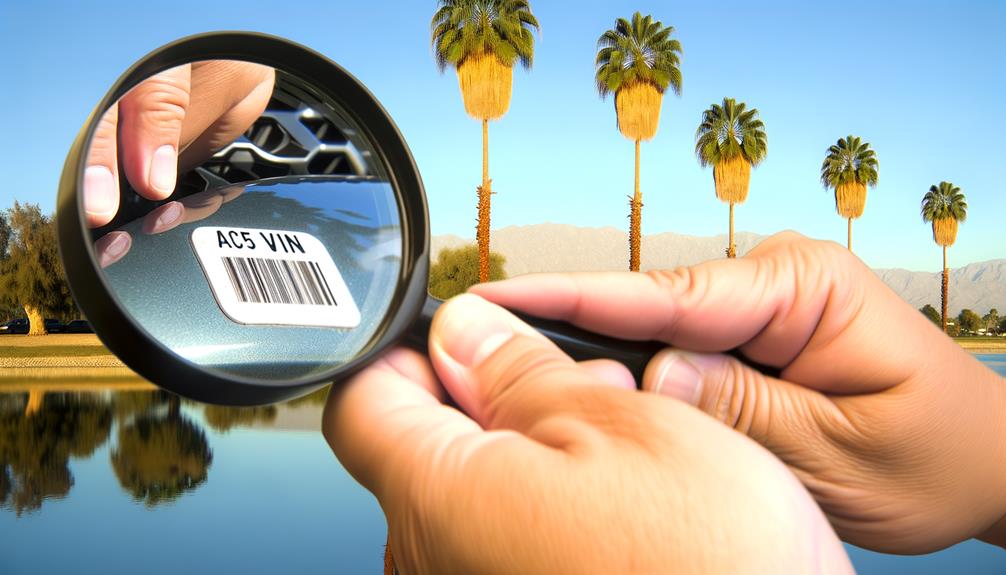
To steer clear of these roadblocks, start by meticulously checking the VIN on your vehicle against your paperwork. If discrepancies arise, delve into the vehicle history to track down the source of the error. It's not just about fixing a mix-up; it's about ensuring that your car's identity is verifiable and secure. This verification upholds your right to a clear title and hassle-free ownership.
Moreover, make sure to verify the validity of the VIN through trusted resources. This proactive step not only secures your legal standing but also protects against potential fraud. By ensuring all details align, you safeguard your freedom to own and operate your vehicle as you see fit, free from the binds of bureaucratic errors and ownership ambiguities.
Inspector Misinterpretation Issues
Inspectors mightn't always recognize VIN locations on vintage vehicles due to unfamiliarity with older stamping practices, leading to errors in verification. This challenge can be frustrating, especially when you're keen to prove your vehicle's authenticity and get on the road.
To counter this, bring along documentation that clearly details the VIN locations for your specific model. This move empowers you to guide inspectors accurately, ensuring they don't miss critical details due to lack of knowledge.
Moreover, you'll sometimes encounter inspectors who react defensively when corrected about VIN authenticity. It's crucial to maintain open, respectful communication to avoid escalating the situation. Presenting original parts and comprehensive restoration documents during the inspection can also help. These documents serve as tangible proof, strengthening your case and providing inspectors with the information they need to make an accurate assessment.
If possible, seek out an inspector who specializes in vintage vehicles. Their expertise can be invaluable, as they're more likely to be familiar with the nuances of vehicle identification in older models. Engaging a knowledgeable inspector not only streamlines the process but also ensures that your vehicle's identity is verified correctly, keeping you free from unnecessary bureaucratic tangles.
Title and Ownership Disputes

Title and ownership disputes often crop up when the VIN on your vehicle doesn't match the one listed on its title, leading to complex legal issues. If you're caught in this bind, you're suddenly in a whirl of potential headaches with your insurance company and legal system, which can challenge your sense of freedom and control over your property.
To steer clear of these disputes, verify the VIN number meticulously before you buy a vehicle. A mismatch can signal that you're dealing with a stolen vehicle or one involved in a legal tangle. It's not just about checking the number yourself; make sure you get a professional verification to back your findings.
Always compare the VIN on the vehicle to the one on the title document. If they don't match, don't proceed with the purchase until everything's squared away. This step can save you from future legal battles or issues with insurance claims.
Restoration and Verification Complexities
If you're tackling a restoration project, be aware that mismatched VINs often surface, complicating the verification of ownership and potentially leading to legal issues if not resolved early. This snag in your freedom to customize and renew your vehicle can be a real headache. You've got to keep a tight leash on all the vehicle information throughout your project to prevent these pitfalls.
Documenting every change, especially those affecting the VIN, is crucial. Whether you're swapping engines or reworking the chassis, note it down. This detailed record-keeping ensures that your vehicle's history is transparent and traceable, smoothing out future verifications.
Don't go it alone. Engaging a pro who breathes vintage can be your best move. These experts know the quirks of old models and can spot VIN discrepancies that you might miss. Plus, they're savvy about the specific spots VINs hide on older rides, helping you avoid oversights that could trip you up.
Lastly, always cross-check the VIN against official records before diving into your restoration. It's your safeguard against potential financial and legal headaches. Staying ahead of these issues lets you focus on what you love—bringing that classic back to life.
Legal and Compliance Obstacles
When mismatched titles and VINs occur, they often lead to ownership disputes and significant legal challenges, as the vehicle's legal owner is determined by the VIN listed on the title.
You'll find that establishing clear legal ownership through VIN verification is crucial, not just a formality. It's your shield against future headaches and disputes.
You might've faced scenarios where state regulations don't quite match up with your vintage vehicle restoration. It's frustrating when compliance seems to limit your freedom to bring a classic back to life.
However, ensuring your restored vehicle's VIN aligns with legal standards is essential to avoid any legal entanglements that can restrict your use of the vehicle.
Additionally, if you're dealing with specialized vehicles like armored cars, remember that specific authorities need to handle your VIN verification. It's not just about ticking a box; it's about meeting specific compliance standards that differ from the usual.
The California Highway Patrol (CHP), for instance, has stringent requirements that can complicate the process.
Always ensure your VIN verifier is well-versed with California Vehicle Code and other regulatory requirements. This adherence isn't just bureaucratic tape; it's your pathway to ensuring your vehicle meets all legal expectations and avoids penalties.
Take control by staying informed and compliant.
Community and Resource Support
Navigating VIN verification challenges becomes significantly easier with the support of online communities and resources. When you're delving into the complexities of a vehicle's history, access to seasoned enthusiasts on forums like the MX-5 Miata Forum can be invaluable. These platforms aren't just about sharing woes; they're dynamic spaces where you can snag practical advice, uncover resources for lien and title verification, and even get the skinny on history reports that might affect your decisions.
You'll find that engaging in these community discussions can equip you with insights and solutions that are tailored to your unique needs. Imagine tapping into a reservoir of collective knowledge, where every query about a tricky VIN issue or a convoluted state regulation has already been answered by someone who's been in your shoes.
Moreover, these forums often have dedicated sections for FAQs and technical support, making it easier for you to navigate the legal terrain of ownership transfers. By leveraging these community resources, you're not just staying compliant; you're also paving the way for a smoother vehicle acquisition process.
Don't underestimate the power of community support—it's your ticket to ensuring that your vehicle journey is as free and clear as possible.
Frequently Asked Questions
Why Can't My VIN Be Validated?
Your VIN might not validate because it's incorrectly entered, or your vehicle's had major modifications. Check for errors and ensure all documents reflect its current state for hassle-free validation.
How Are Errors Detected in Vin?
Errors in VIN are detected by comparing it against title and registration documents, using tools to check against databases, and verifying hidden VIN locations and the check digit for any discrepancies.
How Do I Protect My VIN Number?
To protect your VIN, don't flaunt it online, regularly check for tampering, secure your vehicle documents, and park in safe areas. Consider VIN etching to deter thieves and safeguard your car's identity.
What Information Can Be Found With Vin?
You can uncover a vehicle's history, including past accidents, service records, and title changes, by using its VIN. It's a powerful tool for ensuring you're informed about your potential investment.