The Role of VIN Verification in Ensuring Accurate Vehicle Recalls
August 8, 2024
Why You Need a Professional for VIN Verification
August 8, 2024
You may not often consider the significance of a Vehicle Identification Number (VIN), but for law enforcement in California, it's a crucial tool in their arsenal. By verifying the VIN, officers can quickly determine if a vehicle has been involved in criminal activities or if its identity has been tampered with. This process not only aids in the recovery of stolen vehicles but also helps in maintaining accurate DMV records, ensuring that you're not unknowingly purchasing a compromised vehicle. But how exactly does this system work, and what challenges do officers face during verification? Let's explore the intricacies and impacts of this procedure on both law enforcement operations and community safety.
VIN Verification Basics

VIN verification is a critical step that ensures the identity and history of a vehicle, helping law enforcement spot stolen or altered vehicles. You value your freedom, and part of that's knowing your vehicle is legit and not part of a scam. This process is your first line of defense. When you go through VIN verification, you're not just ticking a box; you're ensuring your vehicle's integrity and your peace of mind.
This isn't about red tape. It's about keeping the roads safe and your vehicle rightfully yours. Imagine a local police officer or a California Highway Patrol officer meticulously checking that the VIN on your vehicle matches the records. They're not just going through the motions; they're making sure your ride isn't someone else's stolen dream.
Every detail on the VIN verification form matters. Mistakes can lead to DMV rejections, complicating your life and restricting your freedom to drive. The California Highway Patrol, as the primary authority, ensures that these inspections are thorough, protecting you from potential frauds. It's about more than compliance; it's about maintaining the freedom of the road, ensuring every car on it is there rightfully and safely.
Authorized Verifiers
Authorized verifiers, including the California Highway Patrol and local police officers, ensure your vehicle's VIN is accurately assessed. These peace officers are trained to detect any signs of tampering or theft, safeguarding your freedom to own and use your vehicle without legal complications.
By engaging a local CHP or licensed VIN Verifier, you're not just complying with the law; you're actively participating in a system designed to protect vehicle owners and the integrity of the automotive market.
When a peace officer can verify your VIN, they're not only checking the number itself, but they're also ensuring that all aspects of your vehicle's identity are legitimate. This process helps prevent the circulation of stolen vehicles and parts, contributing to a safer community for everyone.
The training that these officers undergo equips them with the knowledge to spot discrepancies that mightn't be obvious to the untrained eye.
Moreover, the option to use licensed vehicle verifiers or even qualified members from auto clubs means you've got flexibility in managing your verification. This flexibility ensures that you can maintain autonomy over your time and choices while still meeting state requirements.
DMV Documentation Requirements
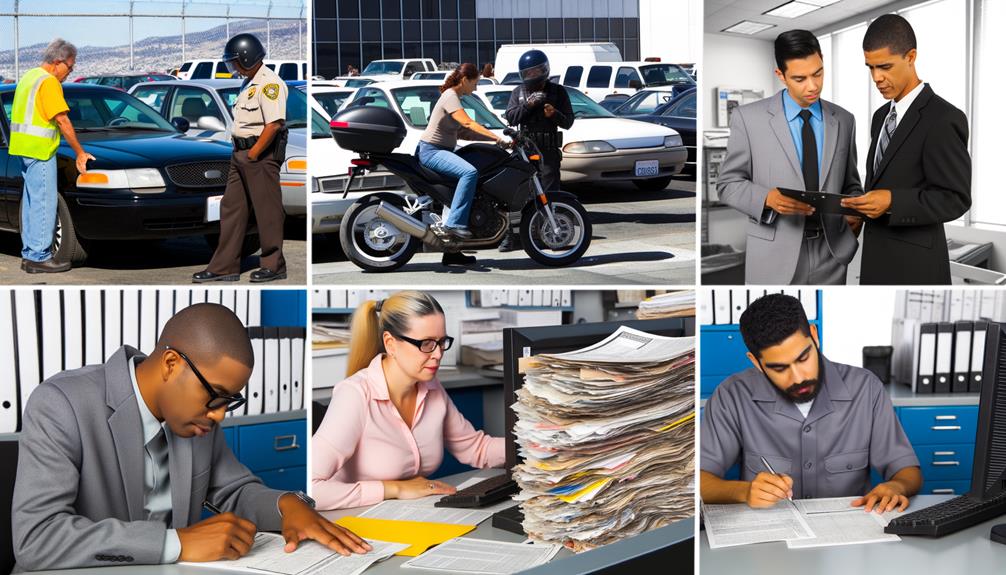
To register your vehicle in California, you'll need to gather specific documents, including the vehicle title or registration certificate, your proof of identity, and a completed VIN verification form. This step is crucial to ensure your freedom to drive without legal hassles.
The REG 31 form is the standard document for VIN verifications, and you must ensure it's correctly filled out and signed by someone licensed to complete these verifications.
When visiting DMV offices, it's essential to bring along any lien documents if your vehicle is financed. This proves that you're taking steps to handle your obligations responsibly while securing your vehicle's legal status.
Different DMV locations might ask for additional paperwork, especially if your car comes from out of state, so check ahead to avoid multiple trips.
Training for Peace Officers
Peace officers in California must complete specialized training programs to accurately handle VIN verifications and ensure compliance with state regulations.
You mightn't realize it, but when you're a peace officer in this state, the freedom to operate isn't just handed to you. It's earned through rigorous training that equips you to spot the discrepancies that could indicate a vehicle's identity isn't what it seems.
The California Highway Patrol (CHP) plays a crucial role here, providing the structured training and resources you need. This isn't just about checking off a box; it's about being proficient in protecting and serving by ensuring every VIN verified is done so thoroughly and correctly.
Being properly trained to perform these verifications means you're a vital part of keeping the roads safe from fraudulent activities. Not every officer can perform VIN verifications—only those who've gone through this specific training.
This specialization ensures that when a vehicle's paperwork comes across your desk, you're well-prepared to scrutinize it with an expert eye. This not only minimizes DMV rejections due to errors but also streamlines the process for law-abiding vehicle owners looking to navigate registration regulations freely.
Common Verification Challenges

While peace officers receive comprehensive training, they still face several common challenges during VIN verifications. One major hurdle is the frequent discrepancies between the vehicle's VIN and DMV records. These mismatches can lead to rejections when you're trying to register your vehicle, tying you down with bureaucratic red tape that hampers your freedom to move swiftly through legal processes.
Missing or altered VIN plates are another significant issue for law enforcement, complicating their ability to confirm a vehicle's identity and ownership history. This lack of clarity not only affects you but can also delay your ability to prove ownership and secure your registration.
Furthermore, not all officers are trained uniformly in VIN verification procedures. This inconsistency can lead to a varied application of the law depending on where you are, which might feel like your freedom to fair treatment is compromised.
Additionally, the need for specific documentation, such as proof of ownership and verification forms, often adds layers of complexity, especially if you're bringing in a vehicle from out of state.
Lastly, limited appointment availability at the California Highway Patrol (CHP) can stall the verification process, further delaying your vehicle's registration and compliance. This bottleneck restricts your ability to use your property freely, impacting your daily operations and plans.
Legal Implications of Fraud
Falsifying VIN information in California is a criminal offense, potentially leading to hefty fines and imprisonment. When you tamper with a Vehicle Identification Number (VIN), you're not just altering a piece of metal or a document—you're stepping into a zone of legal repercussions that could deeply affect your freedom and finances.
Engaging in VIN fraud strips away the trust that underpins vehicle registration and law enforcement efforts to curb vehicle-related crimes. Law enforcement agencies heavily rely on VIN verification to ensure that vehicles on the road are legitimately owned and correctly registered. This process is crucial in detecting and preventing the circulation of stolen vehicles.
If your vehicle lacks proper VIN verification, it might be impounded, adding a layer of hassle with additional fees and legal headaches. Should you be found guilty of VIN fraud, the penalties don't stop at fines or jail time. You could also face civil penalties, like having to pay back victims or losing privileges related to vehicle ownership and operation.
Alternative Verification Options

You have several alternative options for VIN verification in California that can streamline the process and ensure compliance.
If you're seeking freedom from long waits and rigid schedules, consider engaging with licensed vehicle verifiers. These professionals offer flexible timing and can often come to your location, making the inspection and sign-off process as hassle-free as possible.
Local sheriff departments are another viable route. Many provide quicker VIN inspection options, and you mightn't even need an appointment. This can be a real time-saver, especially if you live nearby. Non-CHP law enforcement officers are equipped to handle these verifications with the same authority but potentially less red tape.
For those who prefer thorough guidance, certified independent registration services are a top choice. These experts specialize in ensuring your paperwork is flawless, reducing the chance of DMV rejections. They're particularly useful for out-of-state vehicles or other unique cases where the typical process can get tricky.
Don't forget to tap into online resources or ask for community referrals to find reliable private companies that specialize in VIN verification services. These options not only maintain compliance but also respect your need for efficiency and freedom in managing your vehicle-related responsibilities.
Impact on Vehicle Registration
VIN verification plays a critical role in the vehicle registration process in California, ensuring that each vehicle's identity is legitimate and accurately recorded. By confirming that the details of your vehicle match what's on file at the DMV, you're not just complying with the law; you're actively safeguarding your freedom to operate your vehicle without legal hitches.
When you bring a vehicle from out-of-state, law enforcement's involvement in VIN verification becomes crucial. This step ensures that your vehicle meets CA registration standards and isn't wrongly flagged as unregistered or, worse, stolen. The California Highway Patrol (CHP) has a keen eye for detail and can spot discrepancies that might indicate a vehicle's identity has been tampered with.
This thorough checking reinforces the integrity of the vehicle registration system, making it tough for illegal activities to slip through the cracks.
Moreover, accurate VIN verification supports DMV processes by reducing registration errors. This streamlined approach leads to a safer, more secure driving environment on California roads. You benefit from quicker service at the DMV and the peace of mind that comes with knowing your vehicle is lawfully registered and recognized.
In essence, VIN verification isn't just a bureaucratic step; it's a critical safeguard for your personal and vehicular freedom.
Community and Police Cooperation
Cooperating with local law enforcement on VIN verifications enhances public safety by helping identify stolen vehicles and prevent fraudulent registrations.
When you engage with your local PD in such activities, you're not just ensuring your vehicle's legality; you're actively protecting your community from crime. This kind of community cooperation lets you take control, ensuring that everyone's rights are upheld and that your neighborhood remains a safe space for all.
By participating in VIN inspections with local officers, you expedite your own vehicle registration process and contribute to quicker resolutions for everyone in your community. It's a proactive way to maintain your freedom, knowing that your vehicle isn't part of a larger problem like vehicle theft or registration fraud.
Moreover, when local PD opens up about their verification processes at community events, they're inviting you into a partnership. This transparency builds trust and facilitates a smoother cooperation. You'll find it easier to approach them for help with your vehicle concerns, knowing they're as committed as you are to maintaining the integrity of your community.
Lastly, attending workshops and educational sessions on VIN verification offered by law enforcement can empower you with knowledge, making you a vigilant and informed vehicle owner. This knowledge not only secures your own interests but also fortifies your community against vehicle-related crimes.
Frequently Asked Questions
Why Do I Need a VIN Verification in California?
You need a VIN verification in California to ensure your vehicle's legitimacy, avoid DMV hassles, and confirm its history for smoother ownership and registration, especially if it's from out of state or has a salvage title.
Why Do Cops Scan Vin?
Cops scan your car's VIN to ensure it matches DMV records, preventing theft and fraud. This quick check helps verify the car's history and legality, keeping you and your community safer.
What Does CHP Check for VIN Verification?
You're wondering what CHP checks during VIN verification? They inspect for tampering, compare the VIN against DMV records, and ensure compliance with manufacturing standards, especially in popular models susceptible to theft and fraud.
Why Is It Important to Check the Vin?
It's crucial to check the VIN because it confirms the car's identity, ensuring you're not buying a stolen or tampered vehicle. This protects your freedom to own a legitimate, legally verified vehicle.