Why You Need a Professional for VIN Verification
August 8, 2024
The Connection Between VIN Verification and Vehicle Emissions Testing
August 8, 2024
When you're verifying a Vehicle Identification Number (VIN), it's crucial to avoid common errors that can lead to serious headaches down the road. Have you considered the implications of a single mistyped digit or unrecognized tampering? Ensuring the accuracy of the VIN on your vehicle against its documentation isn't just about compliance; it's about safeguarding against potential fraud and legal issues. What might seem like minor oversights can escalate quickly, affecting everything from ownership records to insurance claims. So, how can you ensure that every number and letter is verified correctly? Let's explore some effective strategies to navigate these challenges.
Understanding VIN Verification
VIN verification is crucial for confirming a vehicle's identity and ensuring it matches official records. When you're in the process of buying or selling a car, or simply registering it, getting the VIN right means no unexpected roadblocks that could clip your freedom. It's all about safeguarding your ride's legitimacy and your peace of mind.
Each state has its own set of rules for VIN verification, often requiring a physical check by authorized personnel like DMV officials, police, or certified mechanics. This isn't just bureaucracy; it's a protective measure against the chaos of vehicle fraud and theft. If an incorrect VIN slips through, it can tangle up your vehicle registration process, potentially grounding you when you should be cruising.
Always cross-reference the VIN printed on your vehicle against its title and registration documents. This step is your responsibility and a powerful shield against errors that can mess up your paperwork. Remember, a mismatched or incorrect VIN isn't just a minor hiccup—it can stall your vehicle's registration, leaving you stuck. Stay vigilant here to keep your journey smooth and your records straight.
Common VIN Transcription Errors
While understanding the basics of VIN verification sets a solid foundation, recognizing common transcription errors can further safeguard your vehicle's registration process.
You've got to stay vigilant, as even a single misplaced character can mess up your entire VIN number, leading to incorrect VINs on your documents. It's all about keeping your freedom to drive without bureaucratic headaches.
One major trap is mixing up characters that look alike. The letter 'O' and the number '0', or the letter 'I' and the number '1' might look similar, but swapping them can derail your verification efforts.
Remember, certain letters like 'I', 'O', and 'Q' don't even belong in VINs due to their potential to confuse. Always double-check these characters especially.
Also, beware of transposed digits. It's easy to flip numbers around when you're typing fast or copying from a worn VIN tag. Ensure every digit matches up with your official documents.
And speaking of VIN tags, make sure you're reading them in good light and from several angles. Poor visibility can cause missed or incorrect characters, complicating your verification process.
Don't let simple transcription errors put a dent in your freedom to move.
Documentation and Ownership Tips
Always carry the original title during VIN verification to ensure it matches the documented VIN, avoiding any registration complications. It's your ticket to a smooth process when it comes to establishing the legitimacy of your vehicle. You don't want any mix-ups to restrict your freedom to use or sell your vehicle as you see fit.
Make sure all your vehicle documents, including registration and proof of purchase, align perfectly with the VIN on the title. This consistency is your safeguard against potential legal or administrative headaches. It's all about keeping your path clear and free from obstacles that could tie down your plans.
Don't forget to request a full history report using the VIN. This step is crucial, not just for peace of mind, but also to ensure there's nothing lurking in the vehicle's past that could come back to haunt you. Knowledge is power, and in this case, it's also protection.
Always ask the seller for proof of the vehicle's ownership history and any documentation that supports the VIN. You're ensuring the story you're told matches the facts. This isn't just due diligence; it's asserting your right to be fully informed, keeping your options open and your decisions sound.
Seeking Expert Assistance
To further bolster your efforts in ensuring accurate VIN verification, consider seeking expert assistance. Consulting with a professional, such as a licensed mechanic or a VIN verification specialist, isn't just a formality—it's a safeguard. These experts have the tools and knowledge to spot discrepancies that you might miss. Not only does this step keep you compliant, but it also ensures that your vehicle's identity is validated, giving you peace of mind.
Engaging local law enforcement is another robust approach. Officers are trained specifically to recognize VIN alterations, which can be crucial if you suspect your vehicle's VIN has been tampered with. This isn't about restricting your freedom; it's about protecting it by ensuring that your vehicle is legitimately yours and that its history is transparent.
Lastly, don't overlook the importance of seeking legal advice if you encounter complex issues like ownership disputes or unusual VIN discrepancies. Attorneys experienced in vehicle title and registration can provide invaluable guidance, helping you navigate through the murky waters of vehicle legality.
Real-World Case Studies
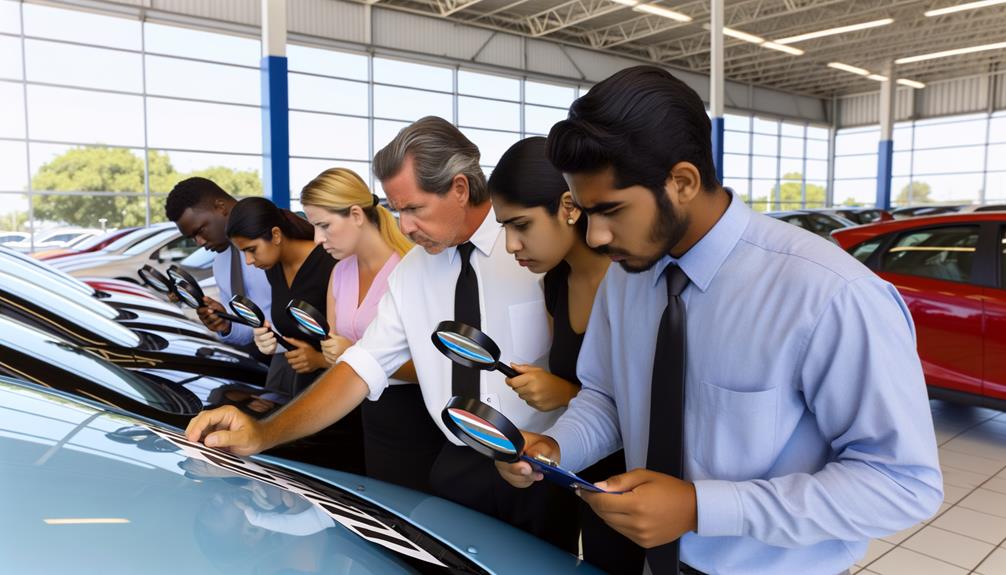
Examining real-world case studies demonstrates the critical nature of meticulous VIN verification. Imagine you're excited about your new car purchase, only to face delays in registration because of a transposed digit in the VIN. You quickly learn the value of double-checking the VIN against all documentation before sealing the deal.
Now, picture a seller who finds their vehicle's title has a misprinted VIN. They endure a lengthy inspection process, a scenario that could have been avoided with thorough VIN verification before listing the vehicle for sale.
Consider a family's experience purchasing a used RV. They discover that an incorrect VIN on their insurance policy leads to a denied claim after an accident. It's a hard lesson on the necessity of ensuring accurate VIN details across all documents.
Then, there's the buyer who receives a mismatched VIN from a dealer, delaying the vehicle transfer. This situation underscores why you must verify VINs independently to maintain control over your purchase.
Lastly, a vehicle with a salvaged title and VIN discrepancies results in legal headaches, illustrating why a professional inspection is crucial for confirming VIN accuracy.
Always remember, double-checking and accurate VIN verification free you from potential entanglements and secure your investment.
Handling Expired Documents
When handling VIN verification, you must ensure all documents, including inspections and insurance, remain valid for at least 30 days after submission to prevent processing delays. This buffer guarantees you're not caught off-guard by expired documents, which can set back your schedule and limit your freedom to use your vehicle as you please.
Expired documents are a common snag in the VIN verification process. To sidestep this pitfall, stay proactive about the validity of your paperwork. Check the expiration dates regularly and mark them in your calendar. If you spot any documents nearing expiration, handle renewals swiftly. Don't wait until the last minute, as rushing can lead to mistakes or overlooked details.
If you find any document is set to expire within 30 days, consider requesting expedited processing. This might cost a bit more, but it ensures you won't face unwanted downtime or restrictions on your vehicle use.
Addressing Incorrect VINs
After ensuring your documents are up to date, verify that the VIN on your vehicle matches all related paperwork to prevent registration issues. Remember, the VIN is your vehicle's unique identifier, and any discrepancies can snag your freedom to drive unhindered. Confirm that the VIN contains exactly 17 characters—no more, no less. Any deviation isn't just a typo; it's a roadblock in your vehicle identification process.
You'd be surprised how often people confuse the letter 'O' with the number '0'. This common mistake can lead to a misidentification of your vehicle, complicating your registration and legal standing. Always cross-reference the VIN on your vehicle with official documents like your title and registration. This simple step is a cornerstone of thorough VIN verification and ensures that all details align perfectly.
Don't hesitate to use online VIN check tools. These resources can provide a detailed vehicle history report, highlighting any inconsistencies that could indicate problems. If you spot any issues, report them promptly. Addressing these discrepancies early prevents potential fraud and ensures you stay on the right side of the law, maintaining your freedom to move smoothly on your journey.
Correcting Ownership Mistakes
To correct ownership mistakes, ensure all your documents reflect the accurate owner's name to sidestep delays at the DMV.
When you're aiming to enjoy your vehicle with no strings attached, getting tangled in bureaucratic errors can be frustrating. Start by double-checking that your title and registration mirror the right details. If you spot an error, don't sweat it—use an affidavit of error. This document is your ticket to swiftly amending any inaccuracies without the usual runaround.
When you're transferring a vehicle, make sure the previous owner's signature on the title matches their ID. This simple step keeps you clear of potential legal quandaries. You'll also need to provide proof of purchase, like a bill of sale, which solidifies your claim to the vehicle and clears any ambiguities regarding ownership.
Consistently review your ownership records with the DMV, especially after you've bought or sold a vehicle. Keeping these records straight is crucial. It's about maintaining your freedom to move, trade, and use your vehicle as you see fit, without unnecessary hitches.
State-Specific VIN Procedures
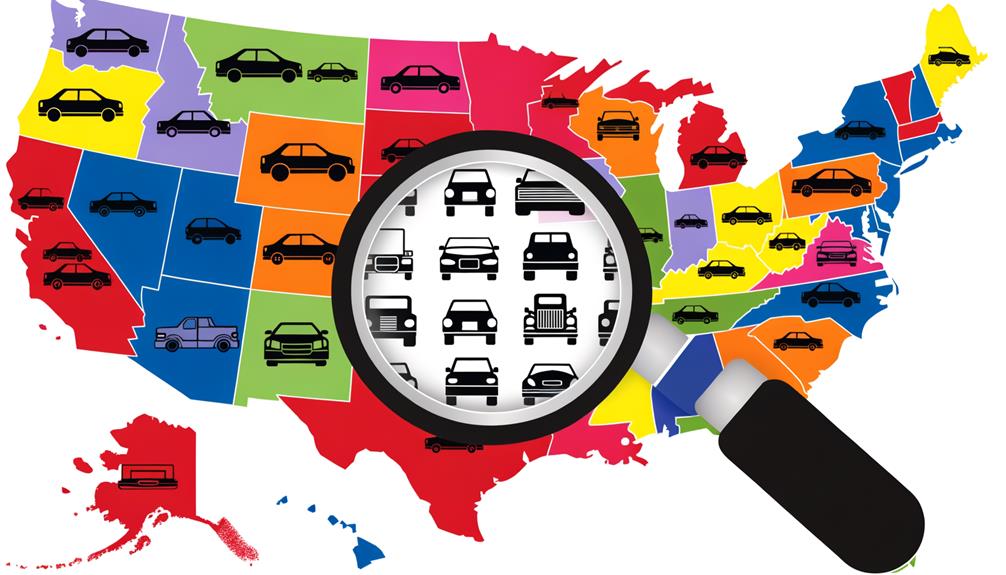
Each state has distinct procedures for VIN verification, so it's crucial to understand the specific requirements in your area. You'll find that these state-specific VIN procedures can vary significantly.
For instance, if you're in Pennsylvania, you'll need to contact a licensed mechanic to get your VIN verified. This differs from Indiana, where you must fill out specific state forms designed for this purpose.
In Washington, plan ahead as VIN inspections are only done at designated State Patrol stations, particularly for vehicles purchased from out-of-state. This means you can't just show up at any station; you need to know where to go and possibly even make an appointment.
Moving over to Oregon, you've got a bit more freedom. Here, you can get your VIN verified right at the DMV offices, which often removes the hassle of extra scheduling and travel. It's about making the process smoother for you.
Lastly, if you're in Idaho, take advantage of home verification services offered by local law enforcement. This is especially helpful if you can't easily make it to a DMV. It's all about bringing the service to your doorstep, ensuring you don't have to rearrange your schedule too drastically.
Frequently Asked Questions
What Does CHP Check on a VIN Verification?
You're probably wondering what the CHP examines during a VIN verification. They ensure the VIN matches your documents, check against theft databases, inspect multiple VIN locations, and look for any signs of tampering.
Is It Safe to Give VIN to Potential Buyer?
Yes, it's safe to give your VIN to potential buyers. It allows them to verify the vehicle's history and legitimacy, ensuring they're making an informed decision without compromising your personal information.
How Do I Make Sure My VIN Is Not Stolen?
To ensure your VIN isn't stolen, check it against official documents, use online VIN check services, consult the NICB database, inspect for tampering, and seek verification from local law enforcement. Stay vigilant!
Why Can't My VIN Be Validated?
Your VIN might not validate because it's mismatched on documents, or due to transcription errors like confusing 0 for O. Check for discrepancies in vehicle details or incomplete documentation to resolve this issue.