How to Avoid Common Pitfalls During VIN Verification
August 8, 2024
How VIN Verification Supports Vehicle Safety Standards
August 8, 2024
You might not realize it, but the process of VIN verification is more than just a bureaucratic formality; it's a critical step in controlling vehicle emissions. When your car's VIN is verified, it ensures that the emissions standards originally assigned to your vehicle are still applicable. This connection is vital because any mismatch can affect your car's compliance with local environmental regulations. Now, consider the implications if discrepancies in VIN verification were widespread—could this undermine our efforts to manage air quality? Let's explore how these systems interlink and what happens when they don't.
Understanding VIN Verification
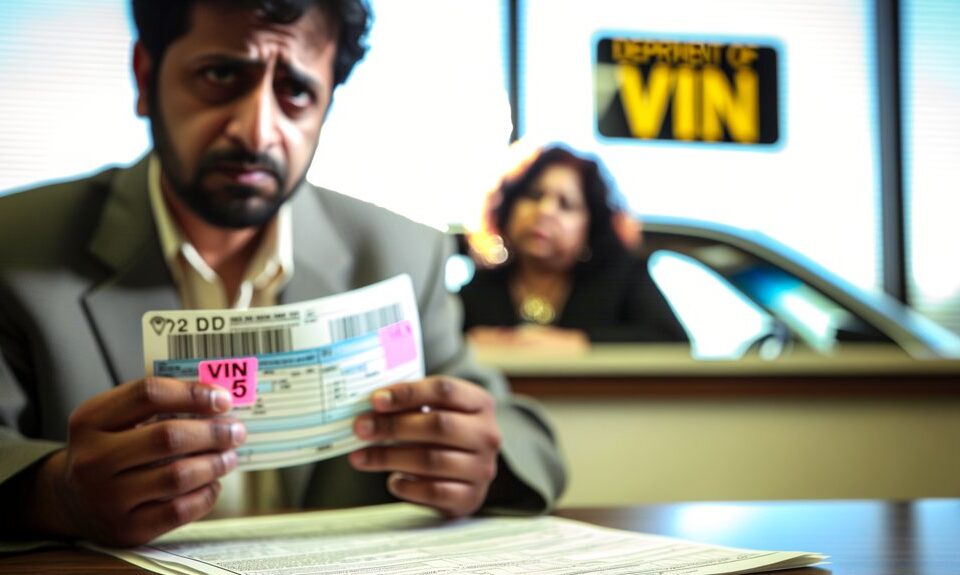
VIN verification is essential to ensure that your Vehicle Identification Number matches your title and registration documents, thereby avoiding complications during emissions testing and registration in California. This step can't be skipped if you're aiming to breeze through the DMV processes without a hitch.
When you're dealing with VIN verification, you're ensuring that every detail of your vehicle's identity is logged accurately in the DMV database. This is critical because any mismatch can flag your vehicle, potentially stalling your freedom to drive.
Remember, accurate documentation of your VIN not only supports emissions control but also ensures that your vehicle passes smog checks smoothly, aligning with California's stringent emissions standards.
Getting this right the first time around means you won't face unnecessary delays or repeat tests. It's all about maintaining your independence and keeping your ride legally on the road.
With correct VIN verification, you're set to prove that your vehicle is up to par with all requirements, avoiding the frustration of back-and-forth with the DMV. This is your pathway to ensuring your vehicle is recognized as compliant and ready to roll whenever you are.
Emissions Label Inspection
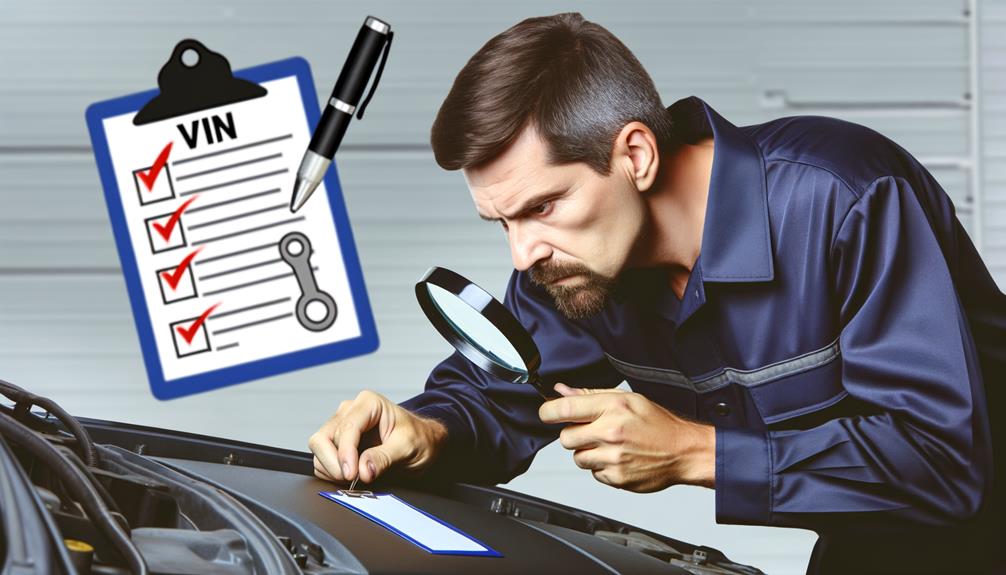
You'll need to check that your vehicle's emissions label is present and legible to comply with California's strict emission standards. This step is critical not only for ensuring your ride meets the required environmental protocols but also for maintaining your freedom to drive without legal hassles. The label, usually found under the hood or on the door frame, should clearly display your vehicle's VIN and year model. If it's missing or you can barely read it, you're likely heading for a delay or even a denial when it comes to registration.
Remember, California doesn't play around with smog and vehicle safety. If your emissions label isn't up to par, your car might end up at the California Highway Patrol for a more thorough check-up. To avoid this, consider grabbing a reproduction emissions label from a trusted vendor if yours is old or damaged. This is a straightforward fix that ensures compliance and keeps your vehicle clear from unnecessary scrutiny during VIN verification.
Staying on top of this detail not only aligns with regulatory demands but also protects the air we all breathe. Make sure your emissions label is in check, and you'll steer clear of complications with smoother rides ahead.
Registration and Compliance
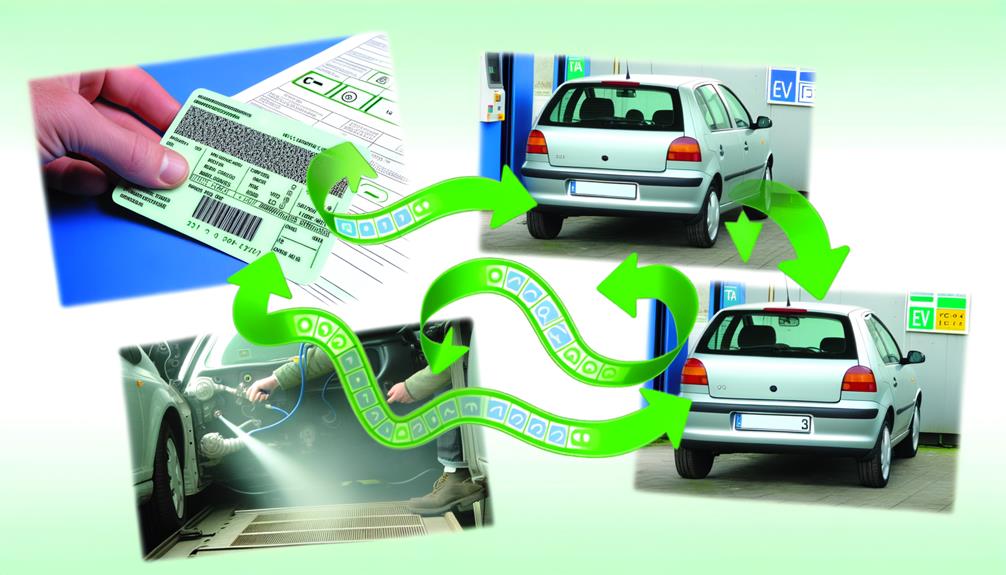
To register your vehicle in California, it must pass VIN verification to meet stringent emissions standards. This step is crucial, especially if you're bringing a vehicle from another state. You value your freedom, but California requires this process to ensure that all vehicles on the road adhere to necessary environmental protections.
During VIN verification, they'll check for a Federal Motor Vehicle Safety certificate and emissions labels. These aren't just formalities; they're your ticket to hitting the road legally in California.
Without the correct emissions labels, your vehicle won't be registered. It's not just about following rules—it's about joining the collective effort to maintain the quality of the air you breathe.
Smog Check Requirements
Smog Checks are mandatory every two years for most vehicles in California to ensure they meet emissions standards. If you're driving a gasoline, hybrid, or alternative-fuel California Vehicle from 1976 onward, or a diesel one lighter than 14,000 lbs from 1998, you'll need to keep this on your radar.
Luckily, if your ride dates back to 1975 or earlier, or is newer but under 8 years old, you're off the hook for these biennial checks.
When it's time for your vehicle verification, the DMV will require proof of emissions compliance. This is where the Smog Check comes in, supervised by the Bureau of Automotive Repair (BAR).
They're the folks ensuring your vehicle isn't contributing more than its fair share to air pollution. Failing to meet these standards isn't just a slap on the wrist—without passing the smog check, your registration renewal could hit a dead end.
Challenges in Verification Process
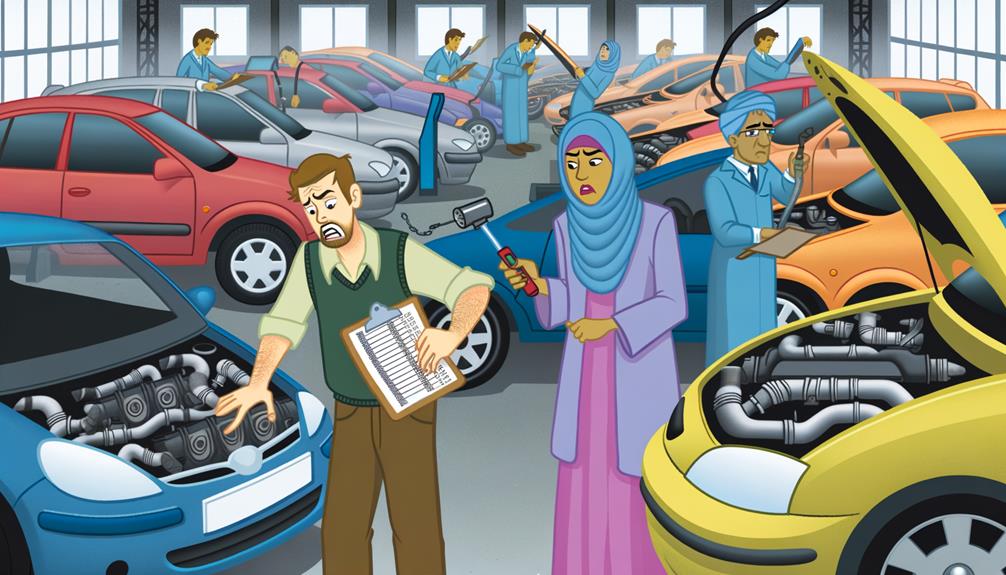
Navigating the VIN verification process presents several challenges, especially when ensuring compliance with California's strict emissions standards. You may find the scrutiny over emissions labels particularly daunting. If these labels are missing or can't be read, you're likely facing a detour to the California Highway Patrol for further checks. This not only disrupts your schedule but also complicates your vehicle's registration process.
DMV staff, often not fully versed in the specialized emissions criteria for older vehicles, can add to the confusion. This lack of knowledge might leave you with more questions than answers, stalling your progress. Additionally, securing an appointment with the CHP could stretch over months, delaying essential smog testing and your vehicle's official registration.
The variability in assistance from DMV representatives can further muddy the waters. Each encounter could vary, especially when you're dealing with out-of-state vehicles needing clear guidance on California's stringent emissions standards. You're seeking freedom to navigate, but these hurdles in the VIN verification process seem to tether you to a standstill, complicating your journey rather than facilitating a smooth transition into compliance.
Frequently Asked Questions
Why Do I Need a VIN Verification in Ct?
You need a VIN verification in CT to ensure your car's identity matches its paperwork, helping you avoid legal hassles and ensuring compliance with state regulations for a smoother vehicle registration process.
Is a Verification of Vehicle Is Required for a Vehicle That Does Not Meet California Emission Standards?
Yes, you'll need a verification if your vehicle doesn't meet California emission standards. It's essential to ensure your ride complies before you can register it in the state. Don't skip this step!
Why Do I Need a VIN Verification in California?
You need VIN verification in California to ensure your out-of-state vehicle complies with local laws and avoids registration delays, securing your freedom to drive without legal hassles.
How Much Does It Cost to Get Your VIN Verified in California?
In California, getting your VIN verified can cost between $10 and $100, depending on the verifier and location. Mobile services often charge more, while some law enforcement officers might do it for free.