The Process of VIN Verification for Electric and Hybrid Vehicles
August 8, 2024
What to Expect During a VIN Verification in Riverside, CA
June 30, 2025
As you look toward the horizon of vehicle identification, you'll find that VIN verification isn't just about checking a series of numbers; it's evolving with cutting-edge technologies that promise to redefine security and transparency in vehicle transactions. Imagine blockchain's immutable records pairing with the instantaneous data retrieval from IoT devices, all enhanced by predictive analytics. These aren't distant realities but emerging trends set to transform how you engage with vehicle histories. Now, consider the possibilities these innovations could unlock, especially as augmented reality starts to play a role in how you interact with vehicle data. What impact do you think these advancements will have on your future interactions with vehicle verification?
Market Growth Projections

The VIN Verification Platform Market is set to expand significantly from 2024 to 2031, with a robust CAGR signaling strong opportunities for businesses and investors. You're looking at a landscape where you can truly harness your entrepreneurial spirit, diving into a market ripe with potential.
The surge in vehicle theft rates and the boom in online vehicle sales are propelling the need for reliable VIN verification solutions. You've got an ever-increasing number of vehicles being bought and sold from the comfort of a smartphone or computer, and each transaction needs to guarantee authenticity and legality. This is where you come in, providing peace of mind to buyers and sellers alike.
Additionally, the evolution of electric and autonomous vehicles is introducing new challenges and verification requirements. These aren't just cars; they're highly sophisticated pieces of technology on wheels. As these vehicles become more prevalent, especially in tech-forward regions like North America, your role in offering cutting-edge VIN verification services becomes crucial.
It's not just about adapting to market dynamics; it's about leading the charge in a sector that promises growth and freedom—freedom to innovate, to secure, and to thrive in an evolving digital world.
Competitive Dynamics
As you explore market growth projections, consider how fierce competition among key players like Carfax and AutoCheck shapes the VIN Verification Platform landscape. This competition isn't just about who's the bigger name; it's a constant battle for innovation, market share, and maintaining profit margins amid stiff price competition.
You're witnessing a sector where advanced technology and strategic partnerships with automotive dealers are crucial. These alliances aren't just beneficial; they're essential in staying relevant and ahead in the game. Imagine the freedom to choose from a range of services that not only meet but exceed customer expectations due to the relentless pursuit of excellence and innovation by these major industry players.
Moreover, the anticipated market consolidation could shake things up further. Larger firms might absorb smaller contenders, potentially streamlining services but also intensifying the battle for dominance. This could mean more refined services for you but also poses the challenge of maintaining diversity and choice in the market.
Stay tuned to how these competitive dynamics evolve, as they'll dictate the pace and direction of innovation and service offerings in the VIN Verification landscape. Remember, in this race, staying informed is your ticket to making empowered choices.
Industry Segmentation
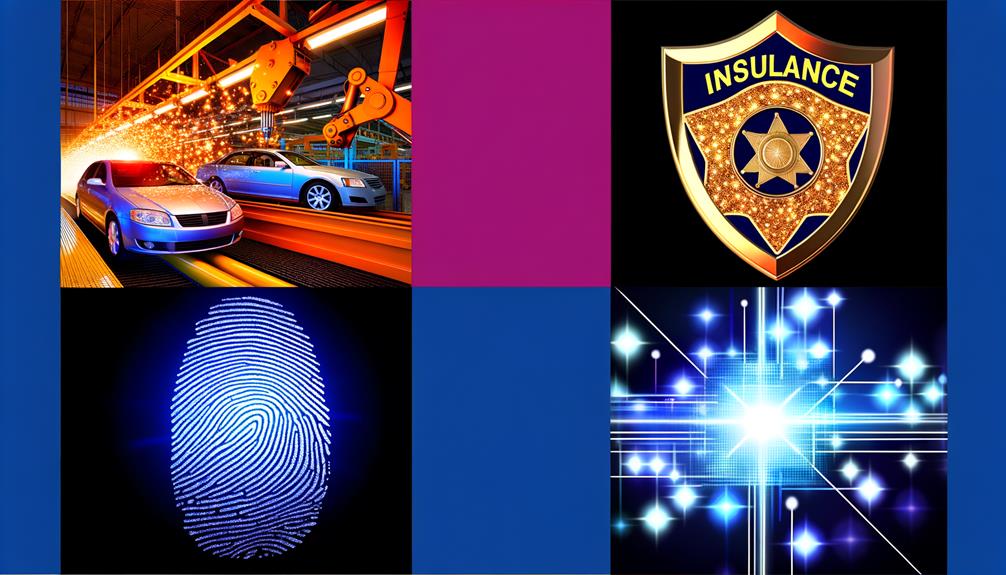
Diving into the VIN verification market, you'll notice it's segmented by service type, geography, demographic focus, vehicle type, and technology, each tailored to meet specific user needs.
You're free to choose from online or offline verification methods, depending on your convenience and requirements. Whether you're a globe-trotter or rooted in North America, geographic segmentation ensures services are optimized for your locale, particularly in bustling hubs like the United States, Canada, and Mexico.
For whom is the service designed? Market segmentation caters to both individual consumers and enterprise users, recognizing that your verification needs differ vastly from large companies.
As you navigate this landscape, you'll find technology segmentation particularly liberating. Mobile apps and web-based platforms are at your fingertips, allowing you to verify VINs from anywhere, at any time.
Lastly, whether you drive a sleek passenger vehicle or operate rugged commercial vehicles, the VIN verification market understands and addresses the unique challenges faced by each.
This segmentation ensures that no matter your vehicle type, you'll find verification solutions that resonate with your specific situation, empowering you with the freedom to secure and authenticate your vehicle's identity efficiently and effectively.
Growth Drivers
Understanding the factors that propel the growth of the VIN verification market is key to appreciating its evolving dynamics. You're facing a world where vehicle theft rates are climbing, and it's crucial to secure your freedom on the road by ensuring your vehicle's authenticity. This rising threat is a significant driver, pushing for more rigorous VIN verification processes.
As you dive deeper into the digital marketplace, you'll notice that online vehicle sales are booming. This shift necessitates robust VIN verification to maintain trust. You don't just buy a car; you ensure it's the real deal, safeguarding your investment and peace of mind.
Moreover, staying compliant with regulatory frameworks isn't just about following rules—it's about embracing practices that enhance safety and integrity in the automotive world. Whether you're dealing with electric vehicles or conventional ones, the need for precise VIN data is expanding. These advanced technologies embedded in modern vehicles demand meticulous verification to function flawlessly.
Your awareness as a consumer is evolving. You demand transparency and data integrity, and this awareness fuels the need for comprehensive VIN verification, boosting operational efficiency. This isn't just a service; it's an essential component of your automotive freedom, ensuring every ride is secure and authenticated.
Strategic Insights

In the coming years, you'll see the VIN Verification Platform market grow significantly, driven by advanced technologies like AI, blockchain, and IoT. These trends aren't just fleeting; they're reshaping how you engage with vehicle security and transparency, giving you the power to navigate the market with greater autonomy.
The integration of AI and machine learning isn't only about keeping pace with innovations but also about overtaking traditional hurdles in verification processes. You'll find these technologies enhance accuracy dramatically, reducing the headaches associated with vehicle history discrepancies.
Meanwhile, blockchain technology is stepping into the spotlight, offering you an ironclad guarantee of security and transparency. This means no more sleepless nights worrying about vehicle history tampering.
IoT devices are transforming VIN verification into a real-time, always-on service, boosting operational efficiency like never before. This isn't just about speed; it's about having the freedom to verify anytime, anywhere, seamlessly fitting into your lifestyle.
As the market evolves, expect to see strategic market positioning playing a key role. Industry consolidation will likely empower larger entities, shaping a competitive landscape where staying informed and agile will be your greatest asset in leveraging these innovations.
Navigating Efficiency
You'll notice a marked improvement in VIN verification efficiency as new technologies streamline traditional processes.
The introduction of Optical Character Recognition (OCR) and Artificial Intelligence (AI) means you're no longer bogged down by slow, error-prone methods. These technological advancements aren't just minor upgrades; they represent a significant leap towards operational efficiency that empowers your decision-making with speed and accuracy.
Imagine leveraging automated processes that scan and verify VINs in the blink of an eye. This isn't a distant future scenario—it's happening now, revolutionizing how businesses in the automotive, insurance, and law enforcement sectors operate. You're at the forefront of this change, experiencing firsthand how investments in technology are paying off, liberating you from the tedious, manual checks that once consumed your valuable time.
As these innovations continue to evolve, your role will shift from mundane data entry to more strategic tasks. Efficiency isn't just about doing things faster; it's about enhancing the quality of your work and freeing you to focus on what truly matters.
With every technological step forward, you gain more control and freedom, propelling your business towards unprecedented efficiency and success.
Understanding VIN Verification
Let's now explore how VIN verification works and why it's vital for maintaining data integrity in several industries.
As you delve into the world of vehicles, understanding the Vehicle Identification Number (VIN) is key. This unique 17-character code acts as the DNA for any vehicle, encapsulating its history, specs, and origin. VIN verification, therefore, becomes your safeguard against fraud, ensuring you're not duped into buying a vehicle with a shady past.
VIN verification uses cutting-edge technologies like Optical Character Recognition (OCR) and Artificial Intelligence (AI) to swiftly and accurately process vehicle data. This isn't just about tech prowess; it's about empowering you with reliable information, bolstering consumer assurance in every transaction—particularly crucial in the booming realm of online vehicle sales.
For industries like automotive, insurance, and law enforcement, VIN verification isn't just a tool but a necessity. It ensures the vehicles on the road are properly vetted, maintaining data integrity and protecting operations from potential fraud.
This verification technology is the backbone of an industry striving to provide transparency and trust, giving you the freedom to make informed, secure choices in your automotive pursuits.
Traditional Challenges
Traditional VIN verification processes often depend on manual inspections, making them slow and prone to mistakes. You know how frustrating it is when things don't move quickly or when errors creep in—freedom means getting things right and fast. Unfortunately, these traditional challenges in VIN verification, like vehicle data inaccuracies and the tedious nature of manual checks, can bog you down.
In the automotive and insurance sectors, accurate data isn't just nice to have; it's essential for sound decision-making and managing risks. Imagine making choices based on flawed data. It's like navigating without a map! The need to improve accuracy in VIN verification methods is clear. You want processes that don't just work, but work well and set you free from the chains of inefficiency.
While emerging technology-driven solutions promise to streamline these processes and boost operational efficiency, it's vital to acknowledge the limitations that have long plagued the traditional systems. The goal is to transform VIN verification into a smoother, faster, and more reliable task.
Isn't it about time the methods caught up with the modern demand for quick and precise information? You deserve a system that works for you, enhancing freedom rather than restricting it.
Impact of Technology
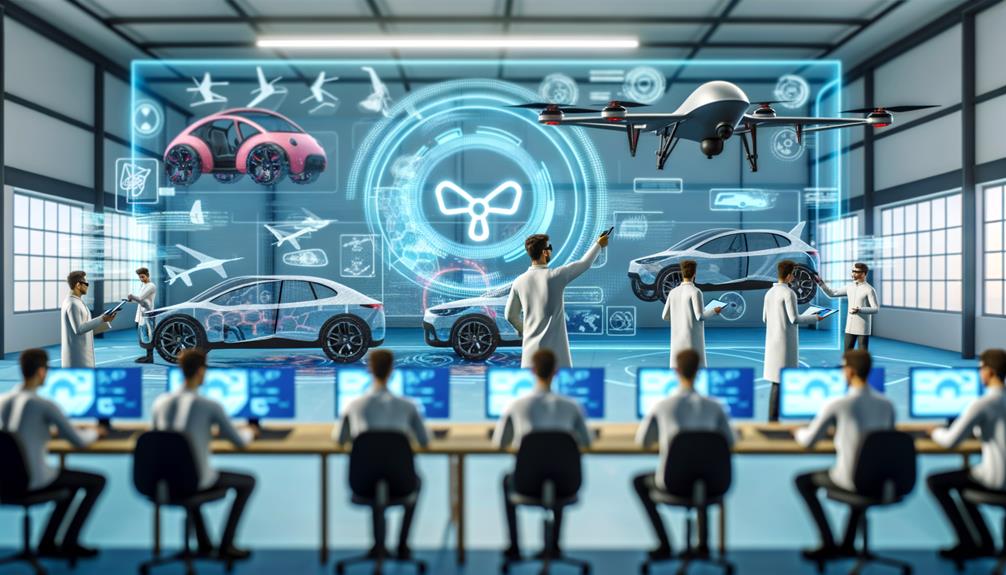
As technology reshapes industries, it also revolutionizes how VIN verification processes are conducted, increasing both efficiency and accuracy. You're now witnessing a shift where Optical Character Recognition (OCR) and Artificial Intelligence (AI) automate the mundane, slashing processing times and letting you focus on what truly matters—freedom in your operational choices.
These advancements aren't just about speed; they're also enhancing how accurately vehicles are assessed, minimizing human error through advanced imaging technologies.
Moreover, with the integration of machine learning, VIN verification becomes not just reactive but proactive. Predictive analytics dive deep into historical data, providing you insights on maintenance schedules and alerting about potential recalls before they become issues. This foresight ensures you're always a step ahead, securing not just the present but also the future of your operations.
But what about security? With rising cyber threats, robust security protocols including encrypted data transfers and multi-factor authentication are now integral to VIN verification systems.
And let's not forget the Internet of Things (IoT) devices enabling real-time verification, ensuring that data isn't just available but is current, keeping you updated at every turn.
This is how you stay in control, with every piece of data at your fingertips, secured and verified in real-time.
Future Trends and Innovations
Emerging technologies frequently redefine the scope of VIN verification, notably through the integration of blockchain and advanced analytical tools. You're on the brink of witnessing a revolution in the automotive industry, driven by innovative technologies that prioritize your need for transparency and efficiency.
Blockchain technology is pivotal, securing immutable vehicle history records that you can trust. This means less worry about tampering and more confidence in your transactions.
Predictive analytics, powered by machine learning, are streamlining VIN verification by spotting potential issues before they escalate. Imagine having a system that not only checks data but anticipates errors, enhancing both efficiency and accuracy in your dealings.
Meanwhile, IoT devices are making real-time verification possible. You don't have to wait; verification happens instantaneously, ensuring that every detail is correct at the time of the transaction.
The integration of augmented reality (AR) and virtual reality (VR) is transforming how you interact with vehicle data. You can now have an immersive inspection experience, seeing beyond the surface right from your device. These tools aren't just about verification; they're about redefining your freedom to interact with and understand vehicle histories like never before.
Frequently Asked Questions
Will VIN Change?
You're wondering if VINs will change. They'll likely stay the same in structure but might include new data layers or updates for better tracking and verification due to advances in technology and security needs.
What Is VIN Validation?
VIN validation ensures you're getting accurate vehicle data, like ownership and accident history. It helps prevent fraud, increasing your freedom to make informed, secure choices when buying or selling vehicles.