Top Common Issues Found During VIN Verification and How to Avoid Them
August 7, 2024
The Role of VIN Verification in Preventing Vehicle Fraud in California
August 7, 2024
When you're gearing up for a VIN verification, you'll want to make sure everything is in order. Start by ensuring your vehicle's VIN is clearly visible and matches all your documentation, such as the title and registration. It's crucial to have these documents organized and ready to present. Plus, don't overlook the importance of a thorough vehicle check-up; confirm that all parts are functioning properly and meet safety standards. However, there's more to consider than just the basics. Stay tuned to uncover some lesser-known tips that could smooth the process and avoid unforeseen hitches.
Understanding VIN Verification
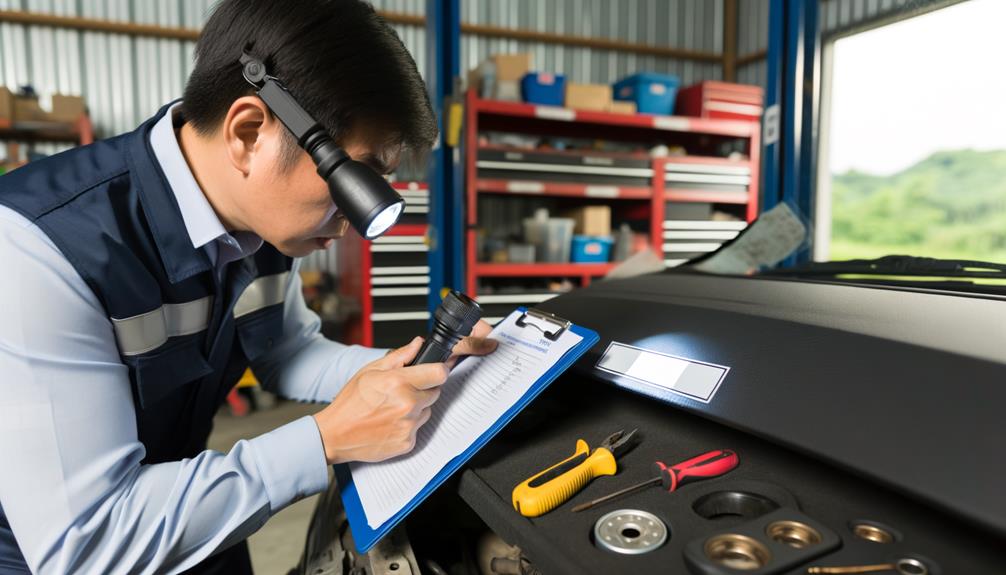
VIN verification is a required step that ensures your vehicle's identification aligns with official records and meets regulatory standards. It's crucial, especially if you're bringing a vehicle from out-of-state or dealing with a salvage title. This process isn't just bureaucracy; it's your ticket to ride without legal hitches, preserving your freedom to roam.
During VIN verification, a trained professional will check the specifics: the vehicle's year, make, model, and Gross Vehicle Weight Rating (GVWR). They'll also verify the mileage and ensure that the VIN plate is properly attached and unaltered. This thorough inspection confirms that your vehicle is exactly what it's supposed to be, preventing any potential legal or safety issues down the road.
You might wonder why these checks are so rigorous. Well, accurate verification keeps stolen vehicles or those involved in fraud off the roads, contributing to a safer driving environment for everyone. It's not just about following rules; it's about ensuring that every vehicle on the road, including yours, is there rightfully and safely.
Required Documents Checklist
To ensure a smooth VIN verification process, gather all necessary documents including the original title, bill of sale, and any previous registration papers. These items are crucial to prove your rightful ownership and streamline the verification steps, letting you hit the road sooner with full freedom and peace of mind.
Don't forget to bring along any repair receipts and detailed documentation, especially if your vehicle has significant modifications or was previously salvaged. This history is vital as it affects the VIN verification outcome. Ensure each document is clear and complete to avoid any hitches that might delay your plans.
You'll also need to complete the REG 31 form, a mandatory document that a DMV employee or licensed verifier fills out during the inspection. Having this form ready goes a long way in speeding up the process, ensuring you're not bogged down by bureaucratic delays.
For motorcycle enthusiasts, if there have been any engine changes, make sure to have supporting documentation on hand. Missing paperwork can stall the verification, so it's best to be over-prepared. Collect these documents systematically to ensure nothing puts a brake on your freedom to ride.
Vehicle Condition Requirements
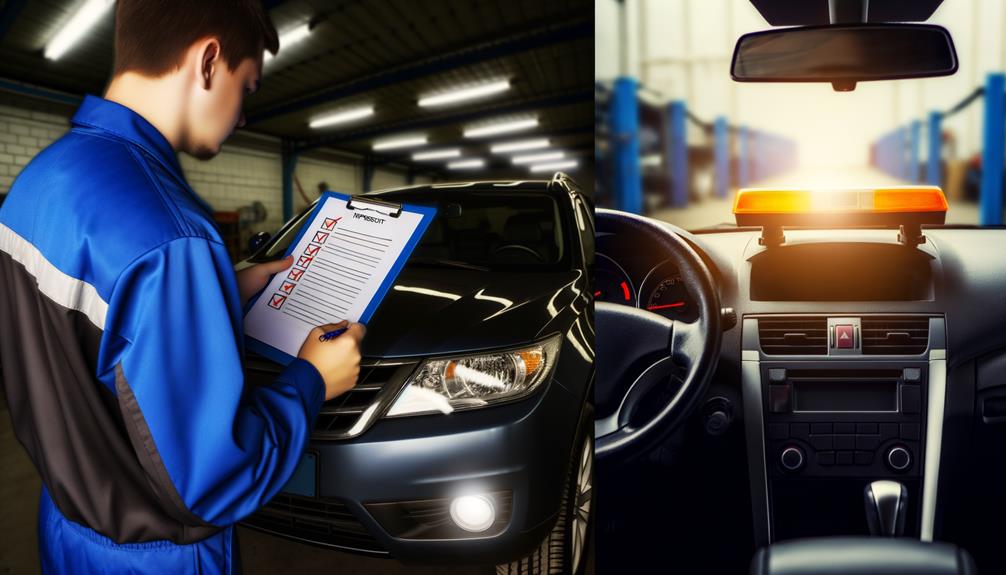
After gathering your necessary documents, make sure your vehicle meets the required condition standards for the VIN verification. Your freedom on the road starts with ensuring your vehicle is up to par.
First off, double-check that every major part of your vehicle is functioning and securely attached. VIN verifiers will turn you away if there's any non-compliance, and you wouldn't want that hiccup.
Pay close attention to your dashboard; illuminated warning lights, like the check engine or airbag lights, are major red flags during inspections. They signal that your vehicle needs immediate attention and could potentially fail the verification.
Similarly, ensure your tires aren't just good to go, but safe. A minimum tread depth of 2/32 inches is mandatory, keeping you and others safe on the road.
Don't forget, all required safety equipment must be in working order. This includes everything from headlights to safety chains on trailers, aligning with the Colorado Revised Statutes.
Lastly, present your vehicle fully assembled – incomplete setups are a no-go for VIN verifiers. Taking these steps not only prepares you for a smooth verification process but also reinforces your commitment to road safety.
Scheduling Your Verification
Ensure you schedule your VIN verification appointment through your local DMV or authorized agency, as they require appointments and don't accept walk-ins. This step is crucial to ensure you're not turned away, saving you time and hassle.
When scheduling your verification, check the availability frequently. If you're eager to get things moving, keep an eye out for cancellations; they can be your ticket to an earlier appointment. Don't hesitate to look at alternative locations too; sometimes a short drive can significantly speed up the process.
Remember, your freedom to use your vehicle as you please hinges on completing this essential verification. By proactively managing the scheduling, you're taking control and ensuring that no bureaucratic hurdles slow you down.
Contact your state DMV directly or visit their website to find the most convenient times and locations for you. This way, you're not only meeting legal requirements but also doing so on your own terms, efficiently and effectively.
Stay ahead of the game and make sure everything's set for your DMV visit. That way, you'll breeze through the verification process, keeping your plans on track and your mind at ease.
Costs and Fees Explained
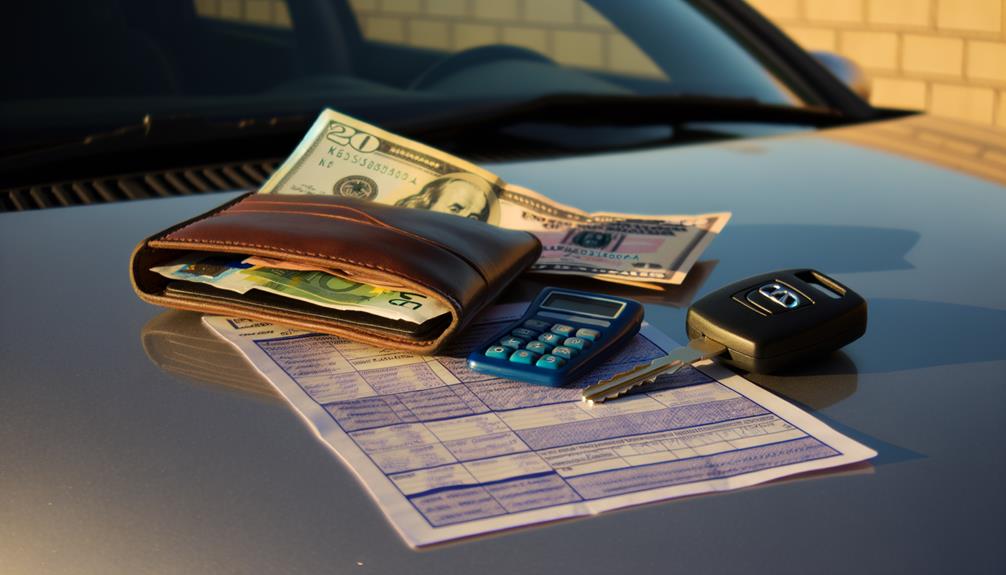
Now that you've scheduled your VIN verification, let's examine the costs and fees you can expect to pay.
Heading over to the DMV, the standard fee for an on-site VIN check is $125. However, if you're opting for the convenience of a mobile verification, remember that these fees can vary. The base might be similar, but the further you are, the more you'll likely shell out, not to mention any additional service charges that might pop up.
From July 1, 2024, there's a slight twist—the fee for certified VIN inspections will see a bump up to $53.00. It's crucial to note that you can only pay this in cash or checks; keep that in mind to avoid any hiccups.
When you choose mobile verification, your vehicle must be complete and in operational shape. If it's not up to par, the verifier mightn't proceed with the inspection. This is your freedom on wheels we're talking about, so make sure it's all set to go.
Common Verification Issues
Before diving into the verification process, familiarize yourself with common issues that could hinder the success of your VIN verification. As you gear up to prove your vehicle's legitimacy, remember that the role of a VIN verifier isn't just to check numbers; they're ensuring that your vehicle aligns with safety and regulatory standards.
One major hiccup could be missing Federal Labels. These labels confirm your vehicle meets necessary safety standards. Without them, you're likely to face a roadblock.
Similarly, unresolved salvage titles can hold you up. These indicate your vehicle was significantly damaged in the past and must meet specific criteria before heading back on the road. If your vehicle's history involves a salvage title, ensure all reinstatement paperwork is clear and complete.
Moreover, significant body modifications can be a red flag during verification. If your vehicle has undergone major changes, it mightn't only affect the structure but also how the VIN is displayed or attached, leading to potential discrepancies.
Lastly, if your ride is reconstructed with used parts or has a history of VIN swapping, prepare for a possible referral to the California Highway Patrol. They'll need to take a closer look to ensure everything's above board, keeping your path to freedom clear.
Pre-Verification Vehicle Prep
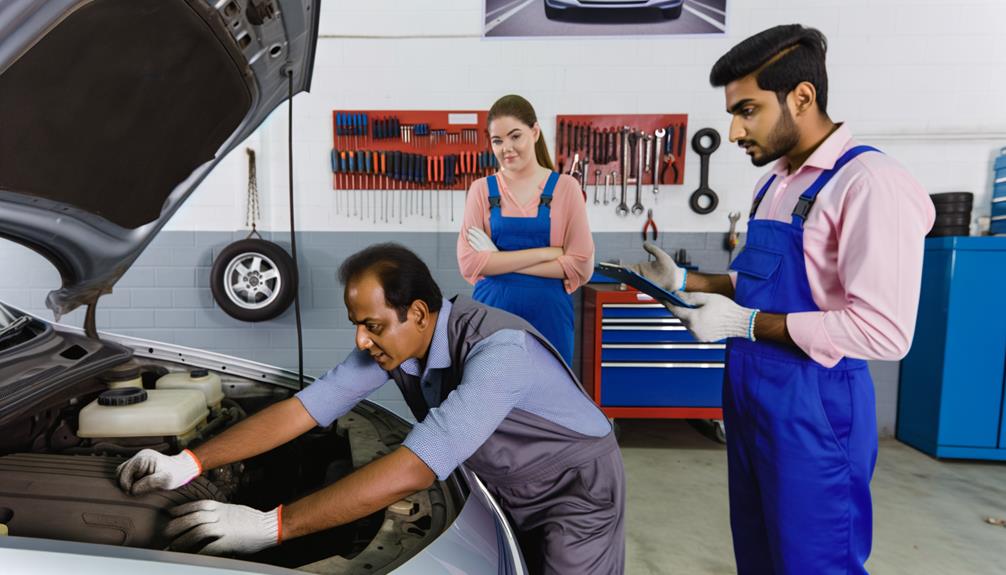
To successfully navigate the VIN verification process, start by making sure your vehicle is fully assembled and operational. Double-check that all major components, such as the engine, brakes, and lights, function correctly and are securely attached. This isn't just about passing a check – it's about affirming your freedom to drive without hitches.
Next, confirm that your VIN is clearly visible and matches the details in your ownership documents like the title and bill of sale. Discrepancies here can tie you up in bureaucratic knots, so it's best to sort them out beforehand. If you're unsure where to find your VIN or what exactly you should be looking for, don't hesitate to contact your local DMV. They can provide guidance and ensure you're not missing any crucial details.
Additionally, remove all personal items from your vehicle. This simplifies the inspection and shows you're serious about compliance and safety. Make sure you have your license plate correctly mounted and visible—this is a basic yet vital part of your pre-verification preparation.
Lastly, gather and organize all necessary documentation, including any repair receipts. Having these at hand will streamline the verification process, letting you get back on the road swiftly and with fewer complications.
What to Expect During Verification
Having prepared your vehicle as described, expect a thorough physical inspection during the VIN verification process. A CHP officer or licensed verifier will meticulously check the VIN, along with the make, model, and year of your motor vehicle, ensuring every detail matches your documentation. You're in control here, making sure everything is transparent and up to par.
During this inspection, the verifier will also examine whether the VIN is properly attached to your vehicle and that all labels and markings are present and legible. This isn't just about compliance; it's about affirming your vehicle's identity, protecting you from potential legal issues.
You'll need to present supporting documents like the title, bill of sale, and registration. Keep these documents handy to facilitate a smooth process. Remember, your preparation can significantly speed up the verification.
If there's any issue, such as the vehicle being incomplete or not roadworthy, the verification might be delayed or denied. Ensure your vehicle is in top shape to avoid these setbacks.
Once the physical inspection wraps up and everything checks out, the verifier will complete a Form REG 31. Having this form properly filled is crucial for the next steps, ensuring you stay on the road to freedom.
Post-Verification Steps
Once your vehicle passes VIN verification, promptly submit the completed Form REG 31 and all supporting documents to the DMV to finalize the registration and title changes. You'll need to bring any additional paperwork they've requested to ensure no hiccups block your path to freedom on the open road.
Make sure you keep a copy of the verification results, like the CHP 97C form if it's involved, tucked away with your records. This becomes crucial if any title or registration issues pop up later—you'll have the proof you need at your fingertips.
If the CHP had to step in for your verification, don't just sit back. Follow up with the DMV to check that any registration holds or restrictions have been cleared. This ensures you're not caught off guard by lingering bureaucratic hurdles.
Also, address any discrepancies spotted during the verification right away. Sorting these out quickly helps avoid any delays that might cage your freedom to drive.
Lastly, regularly check if there are any recalls or safety issues with your vehicle. Staying on top of this not only keeps you safe but ensures your vehicle remains compliant with current DMV regulations.
Frequently Asked Questions
What Does CHP Check for VIN Verification?
You're wondering what CHP checks during VIN verification? They ensure the VIN matches documents, inspect vehicle completeness, check compliance with safety regulations, and look for fraud signs like VIN swapping or improper part use.
How to Prepare Your Car for Freezing Temperatures?
To prepare your car for freezing temperatures, check your antifreeze levels, battery health, and tire pressure. Replace old wipers and ensure your windshield fluid is winter-ready. Pack an emergency kit just in case.
How Much Is a VIN Verification in California?
You'll pay $125 for on-site VIN verification at a California DMV office. Mobile verification costs vary, depending on travel distance, and you might face extra fees for special circumstances. Salvage vehicle checks are free.
How Do I Run a VIN Check on Any Vehicle Instantly?
To instantly run a VIN check, find the 17-character VIN on your vehicle's windshield or registration card. Use online services like NHTSA to get real-time recall and history info by entering the VIN.