How VIN Verification Helps in Buying and Selling Used Cars
August 7, 2024
The History and Evolution of VIN Verification in California
August 7, 2024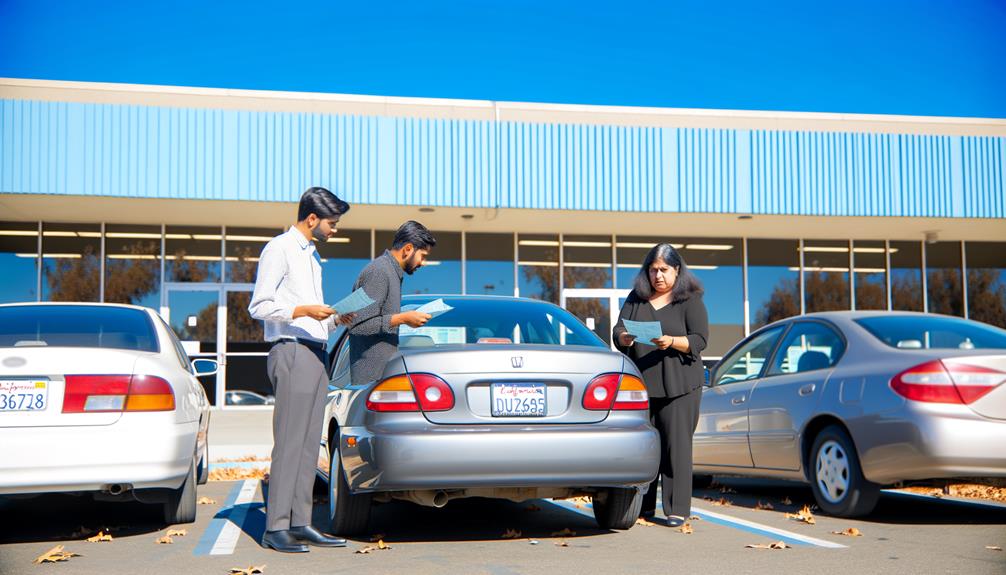
If you're planning to register an out-of-state vehicle in California, you'll have to navigate the VIN verification process. It's a mandatory check to ensure your vehicle meets specific state requirements and isn't stolen. Authorized personnel, such as DMV officials or licensed verifiers, will inspect your vehicle and validate the VIN against national and state databases. You'll also need to fill out the REG 31 form and provide essential documents, potentially including the vehicle's Certificate of Origin. The cost can vary, but knowing what to expect and preparing adequately can smooth your path. Considering the intricacies involved, wouldn't you want to know the pitfalls to avoid and ensure your vehicle's compliance?
Understanding VIN Verification
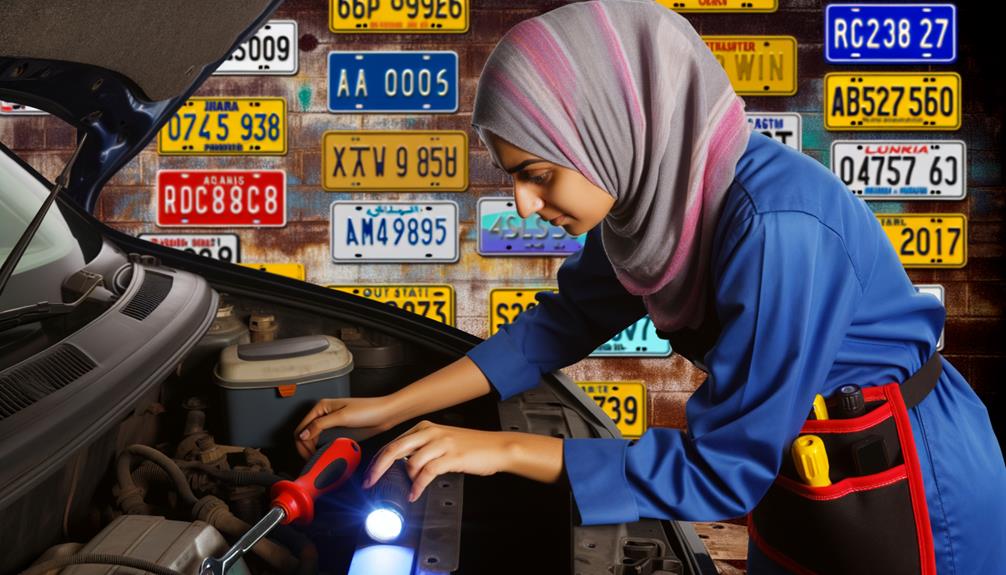
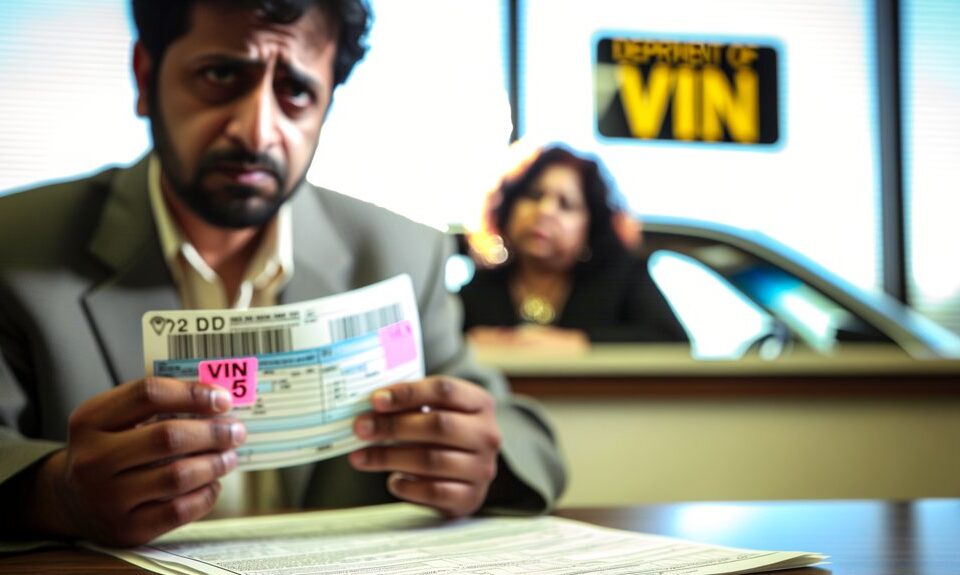
VIN verification is a crucial step you must take to register your out-of-state vehicle in California, ensuring the vehicle's identification number matches its documentation. This process isn't just a formality; it's about keeping your freedom on the roads without legal hassles.
The California DMV, recognizing the importance of fraud prevention, mandates a physical inspection, which can be conducted by various authorized entities including DMV employees, California Highway Patrol (CHP), licensed vehicle verifiers, and auto club employees.
During this inspection, the VIN on your vehicle is checked against the documentation you provide. It's a safeguard that ensures no mismatches that could suggest theft or illegal alterations. This is where the REG 31 form comes into play, a vital piece of paperwork that gets filled out to officially record the findings of the verification.
Be aware that VIN verification isn't free, but it's a worthwhile investment for peace of mind. You'll typically encounter fees ranging from $25 to $40, depending on your chosen verifier.
Opting for licensed vehicle verifiers can be a smart move—they're trained to handle the specifics of such inspections efficiently, making sure you're set to drive freely around the Golden State.
Required Documents for Verification
Now that you understand the importance of VIN verification, let's discuss the documents you'll need to complete this process for your out-of-state vehicle in California.
First and foremost, you'll require the Certificate of Origin, either original or a marked duplicate with security features. This document is crucial as it establishes your legitimate ownership of the vehicle.
Remember, photocopies of original documents won't cut it. Only the real deal is accepted to ensure all ownership claims are valid. It's all about keeping things straightforward and secure, allowing you the freedom to drive without worries about the legitimacy of your vehicle's documentation.
You'll also need to fill out the REG 31 form, which is vital for recording your vehicle's critical information and the inspection results. This form is a key piece of the puzzle, ensuring that all details match up and there are no discrepancies such as mismatched VINs or incomplete titles. Any issues here could set you back, so double-check your info for accuracy.
While you can opt for third-party services or seek help from the California Highway Patrol, ensure you have these documents in order before heading in for your inspection. This preparation streamlines the process, getting you on the road faster and with fewer hitches.
The Role of Third-Party Services
Considering third-party services can streamline your VIN verification process, especially if you're pressed for time. These providers offer a fast, flexible solution that fits perfectly into your busy schedule.
Unlike the California Highway Patrol (CHP), which might require a DMV letter and can slow things down, third-party services simplify everything for you. They're typically equipped with mobile options, so they can come to you, making it incredibly convenient when you're juggling tasks.
You'll find that these authorized agencies aren't only quick but also knowledgeable about the intricacies of vehicle registration for out-of-state vehicles. This expertise ensures that your VIN verification is done right the first time, preventing any hiccups in your registration process.
At around $40, the cost is reasonable for the freedom it buys you from bureaucratic hassles.
DMV Verification Process
While third-party services offer convenience, the DMV verification process remains a fundamental step for registering your out-of-state vehicle in California.
You'll need to ensure your vehicle's VIN, or vehicle identification number, is verified to satisfy California's strict regulations. This crucial step can't be skipped if you're aiming to enjoy the freedom of driving across the Golden State.
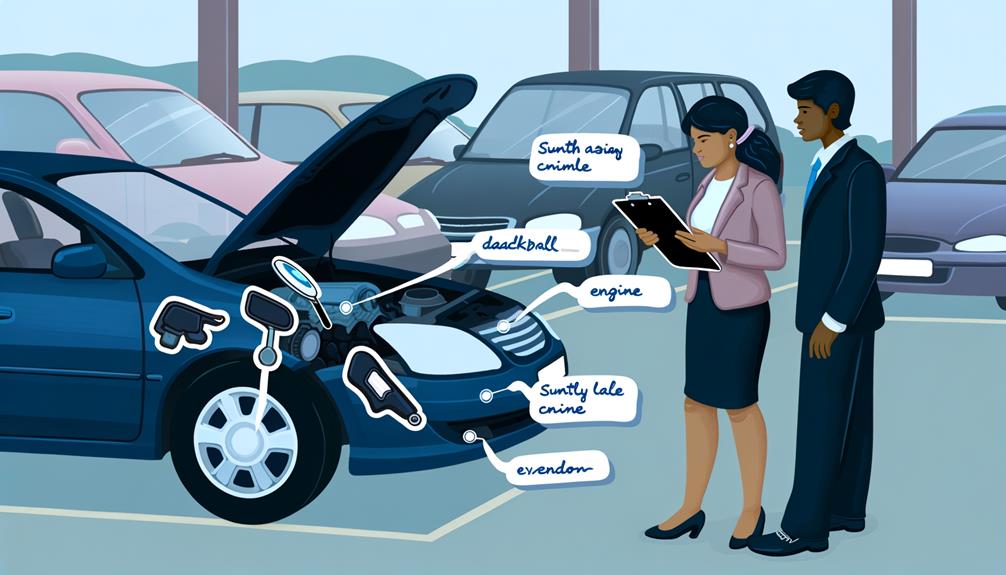
The verification can be done by DMV employees, California Highway Patrol (CHP), or licensed vehicle verifiers. It's more than just checking the VIN; it includes verification of the engine number and ensuring your vehicle meets California's emissions standards.
Don't forget, you'll be filling out the REG 31 form, which captures all the details from this verification process.
You've got a 90-day window from your vehicle purchase to complete this task. Sticking to this timeline is essential, as any delay can slow down your registration process, keeping you from hitting the road.
The cost is generally around $25 if you opt for private verifiers, a small price for the liberty of driving worry-free in California. Make sure you complete this step promptly to avoid any hitches in registering and enjoying your out-of-state vehicle.
Common Verification Challenges
Although VIN verification is a critical step, obtaining the necessary documents like the Certificate of Origin can be quite challenging, especially if your original title is held by a finance company. You're eager to hit the road freely with your out-of-state vehicle, but these hurdles can feel like unnecessary shackles.
Facing discrepancies in your documentation only adds to the frustration. If local law enforcement isn't an option for VIN verification, you might feel cornered into paying for third-party services, which isn't cheap. This added expense, around $40, is an unwelcome barrier in your registration process.
Delays can also occur if you're waiting on emission labels or need to complete the REG 31 form. Each day's delay means another day you aren't free to drive your vehicle as you please. Communicating with multiple agencies, like the DMV and CHP, often turns into a time-consuming maze. Navigating through this often requires persistence and a clear head for sorting through bureaucratic requirements.
You'll need to stay proactive and organized. Keep all your communication clear and documented, and always follow up persistently. Freedom on the roads is within reach, but first, you've got to navigate through these hoops with precision and patience.
Special Rules for Military Vehicles
Military personnel benefit from specific exemptions and tailored services when registering their vehicles in California. If you're nonresident military personnel, you'll find that the California Department of Motor Vehicles (DMV) offers streamlined processes specifically designed to respect your unique needs. You're not just getting a break on registration fees; you're also getting a system that supports your mobility and freedom.
When it comes to vehicle verification, your military vehicles must comply with California's emissions standards, just like any civilian vehicle. This ensures that while you serve, you're also contributing to the state's environmental goals. But don't worry—verification can be managed even if you're deployed, as long as you provide all the required documentation. This flexibility means you don't have to be physically present to get things done.
Moreover, the DMV has modified the regulations around parking and toll violations for military vehicles, giving you some breathing room during your service period. This leniency is a small acknowledgment of your big sacrifices. Remember, while your vehicle must meet standard requirements, the path to compliance is made smoother for you. It's all set up to ensure that you can focus on your duties without unnecessary hassles back home.
Penalties for Non-Compliance
Failing to meet VIN verification requirements for out-of-state vehicles can lead to significant penalties, including extra registration fees or complete denial of registration. If you're bringing a vehicle into California, understanding these requirements isn't just a formality—it's essential to maintaining your freedom to drive.
When you don't comply with VIN verification, you're not just facing a slap on the wrist. The California Highway Patrol (CHP) and the Department of Motor Vehicles (DMV) can impose heavy fines. Imagine being stopped and finding out you can't legally drive your vehicle because of an overlooked verification step. It's not just about the money; it's about your ability to move freely.
Moreover, errors or omissions during the VIN verification process can cause delays in your registration. This might seem like a minor inconvenience, but it can escalate to more severe legal repercussions if neglected. Continuous non-compliance could even lead to vehicle impoundment. Think about the impact of losing your vehicle just because you didn't follow through with the necessary steps.
As a vehicle owner, it's in your best interest to ensure all procedures are accurately completed. Don't let avoidable penalties restrict your mobility and freedom. Stay informed, stay compliant, and keep your wheels legally on the road.
Frequently Asked Questions
What Do They Check for VIN Verification in California?
For VIN verification in California, you'll find they check the VIN, engine number, make, model, odometer reading, license plate, and emissions labels to ensure everything's compliant and matches official records.
Does California Inspect Out of State Vehicles?
Yes, California does inspect out-of-state vehicles. You'll need to verify your car's VIN and ensure it meets emission standards through a physical inspection by authorized personnel like the CHP or licensed verifiers.
What Documents Do I Need to Register an Out of State Vehicle in California?
To register your out-of-state vehicle in California, you'll need the vehicle's title, a bill of sale, valid ID, a completed REG 31 form, and a current smog certification if required.
Can I Drive My Car in California if It's Registered in Another State?
Yes, you can drive your car in California if it's registered in another state, but you'll need to register it in California if you plan to stay longer than 10 days to avoid fines.