VIN Verification for Out-of-State Vehicles: What Californians Need to Know
August 7, 2024
How to Verify Your Vehicle’s VIN on Your Own Before an Official Appointment
August 7, 2024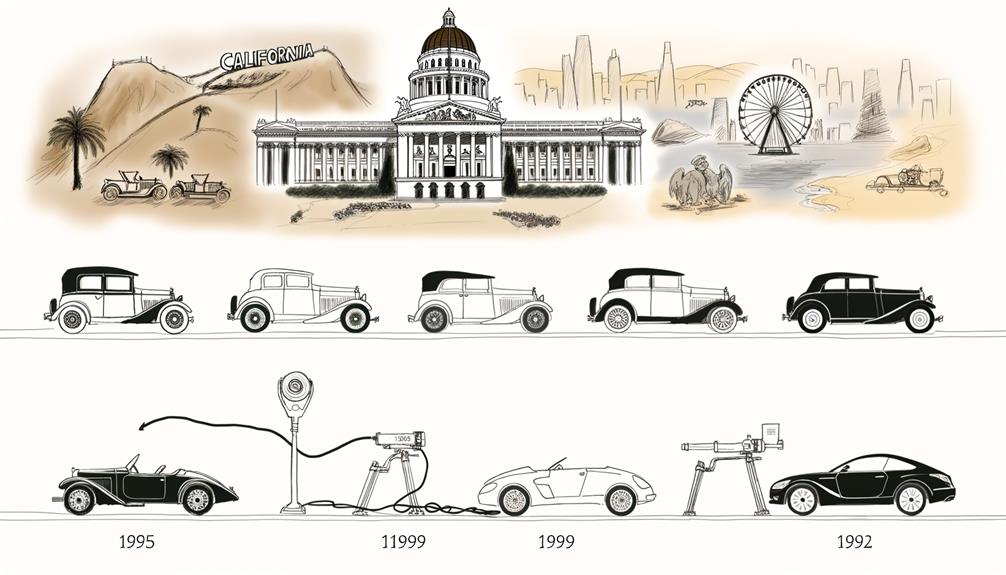
You might find it fascinating how the VIN verification process in California has evolved from a rudimentary system of licensing to a sophisticated protocol involving cutting-edge technology. Imagine tracing back to the early 1900s, when vehicle regulations were minimal, and compare that to today's rigorous standards. This journey isn't just about combating fraud or theft; it's about adapting to new challenges and technologies. What's perhaps most intriguing is how these changes have not only enhanced security but also transformed the interaction between vehicle owners and the state. Let's explore how these developments impact you today and what they could mean for the future of vehicle ownership in California.
Early Licensing and Registration
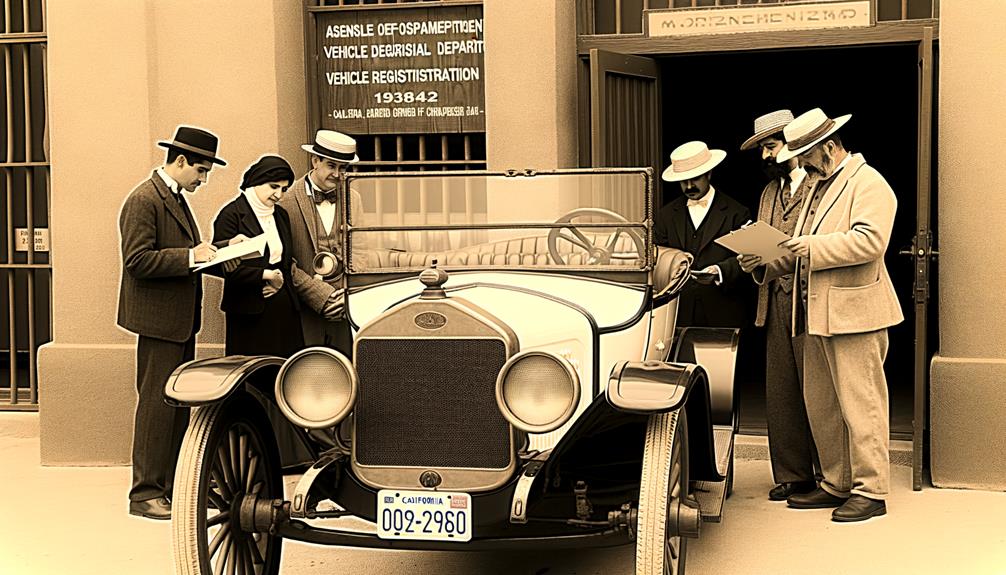
California began regulating wheeled vehicles in 1901 by authorizing city and county licenses. This move wasn't merely about control; it was a necessary step to keep pace with the booming popularity of automobiles. You might feel that the idea of vehicle registration sounds like a leash, but back then, it was about creating a safer and more responsible driving environment.
As cars became commonplace, the need for a state-wide system became apparent. By 1905, proposals were made to the Secretary of State to establish a unified vehicle registration process. This wasn't just bureaucracy flexing its muscles; it was a way to ensure that every vehicle and its owner could be accounted for, enhancing safety and responsibility on the roads.
The establishment of the Department of Motor Vehicles (DMV) through the Official Vehicle Act of 1915 was a game-changer. Suddenly, vehicle registration wasn't just a local concern; it had state-wide importance. The DMV took over, standardizing processes and making sure that everything from VIN verification to title transfers was handled efficiently.
This shift wasn't about limiting freedom but ensuring that freedom didn't come at the expense of safety and order.
Evolution of California Vehicle Code
You'll find that the California Vehicle Code, first introduced in 1914, has undergone significant changes to adapt to the evolving landscape of transportation and vehicle regulation. Initially established as the California Vehicle Act, it laid the groundwork for the structured rules that govern the roads you freely traverse today. By 1935, this act was codified into what you now know as the California Vehicle Code. This pivotal transformation provided a comprehensive framework to ensure your safety and freedom on the road.
In 1959, a major re-codification took place, which has largely remained the backbone of today's regulations, encapsulating over 1,000 pages of detailed directives. Over the years, amendments have been seamlessly integrated to keep pace with new challenges and innovations in vehicle technology and road safety.
Particularly, the adaptation of the CVC to include specific protocols for VIN verification highlights the state's commitment to enhancing vehicle identification and registration in California. These changes ensure that each vehicle's identity is accurately verified, especially for out-of-state vehicles, safeguarding against fraud and theft.
Such meticulous updates to the California Vehicle Code symbolize a dynamic approach to governance, allowing you the freedom to drive with confidence, secured by laws that evolve just as rapidly as the vehicles they regulate.
Development of License Plates

As we explore further, let's examine how California's license plates have evolved since 1914, marking significant milestones in vehicle identification.
Initially crafted from porcelain, these plates not only served as a robust medium for the Vehicle Identification Number (VIN) but also symbolized the dawn of official vehicle identification in California. You've seen the freedom this brought to vehicle owners, knowing their registered vehicles were recognized under state laws.
By 1916, the introduction of unique metal tags further enhanced this system. These tags weren't just pieces of metal; they were your assurance of a legally registered vehicle, streamlining law enforcement's task of tracking vehicles. Imagine the peace of mind during a time when vehicle theft was rampant.
The adaptability of California's approach was evident during World War II. In 1942, despite metal shortages, the state issued steel strips that could be attached to existing plates, ensuring that vehicle identification didn't grind to a halt.
Then, in 1972, personalized license plates hit the scene, allowing you more freedom to express your individuality through your vehicle.
Verification Process Overhaul
Let's delve into how the VIN verification process in California has undergone significant changes to better combat vehicle theft and fraud. Initially, you might've found it cumbersome to deal with the requirements set by the California DMV. However, these changes were pivotal in ensuring that your vehicle's identity is secured and verified, safeguarding your freedom to own and operate it without legal entanglements.
Since the 1980s, when VIN verification was just gaining traction, there's been a rigorous enhancement in the procedures. By 1994, the DMV took a tougher stance, not just inspecting vehicles but also demanding essential documents like the Certificate of Origin. This step was crucial in nipping potential frauds in the bud.
Moving into the 2000s, the process was streamlined with the introduction of standardized forms like REG 31. These forms helped Vehicle Verifiers and DMV officials alike by providing a clear, consistent method for recording inspections.
The real game-changer came in 2010 when the California Highway Patrol took the helm of primary VIN verifications, reinforcing the robustness of inspections. Coupled with the advent of mobile VIN verification services, you've now got more freedom and convenience than ever to ensure your vehicle is in the clear.
Emission Standards and Compliance

California's stringent emission standards, the strictest in the nation, require that all vehicles meet specific compliance criteria before registration.
You've got to ensure your vehicle isn't just a 49-state model that barely scrapes by on less rigorous federal standards. Here in California, the bar's higher, protecting our air and health, but also maintaining your freedom of mobility with a cleaner, greener ride.
When you're buying a car, especially if it's from out of state, VIN verification becomes your best friend. This process isn't just bureaucracy; it's your guarantee that the vehicle you're driving meets the highest environmental standards.
Without the right Federal Certification label or the necessary California emissions labels, your new ride won't make the cut for registration. You're looking at a car that can't hit the roads legally in California.
Impact of Technology on Verification
Technology has revolutionized the VIN verification process in California, significantly speeding up inspections and improving record accuracy. You've likely noticed how the California DMV has embraced these technological advances, streamlining what used to be a cumbersome process. Now, with computerized systems, you're not just saving time; you're also spared the headache of dealing with piles of paperwork.
The advent of mobile technology has further liberated you from traditional constraints. Imagine having VIN verification services come directly to you, whether you're at home or at work. This flexibility allows you to fit this essential task into your busy schedule without the hassle of visiting a DMV office. It's all about making your life easier while ensuring that the necessary checks are thoroughly conducted.
Moreover, digital records and databases have tightened the accuracy of VIN matching—no more fretting over potential errors that can complicate your registration process.
Additionally, the integration of emission compliance checks with VIN verification means your vehicle isn't only registered but also meets California's strict environmental standards.
And let's not overlook the enhanced fraud detection capabilities; real-time checks against stolen vehicle databases instill a greater sense of security whenever you're registering a vehicle.
Future Directions in VIN Verification

As we look to the future, you'll see VIN verification in California becoming even more streamlined with the potential integration of artificial intelligence. Imagine speeding through the VIN inspection process with AI-driven systems that guarantee precision and drastically cut down on your waiting time. The California DMV is on the verge of making this a reality, aiming to give you the freedom to handle vehicle verifications swiftly, without the hassle of long queues.
You'll appreciate how the DMV is also looking into remote VIN verification options. This means you won't always have to drive down to a service center. Instead, you could complete the necessary checks from the comfort of your home or office, using just your smartphone or computer. This shift not only saves you time but also enhances your access to essential services, no matter where you're in the state.
Moreover, California is expected to strengthen partnerships with certified third-party vehicle verifiers. These collaborations will expand the network of available services, making VIN inspections more accessible across various locations. This is all part of a broader effort to keep your vehicle's identity secure and to ensure that every ride in your car is a breeze.
Frequently Asked Questions
Is VIN Verification Required in California?
Yes, you must complete VIN verification in California for all out-of-state vehicles you're registering. It's necessary to prevent fraud and ensure your vehicle meets state standards. Don't skip it to avoid registration issues.
What Is the History of the California Vehicle Code?
You're exploring how the California Vehicle Code originated in 1914, evolved with the creation of the CHP in 1923, got codified in 1935, and expanded significantly in 1959 to address modern vehicle challenges.
Does CA DMV Charge for VIN Verification?
You won't be charged for VIN verification at California DMV offices, as long as you've got all your paperwork sorted. It's a free service they offer, saving you some hard-earned cash.
What Is a California VIN Check?
A California VIN check ensures your vehicle's identity matches official records, confirming it's legally distinct and compliant with state regulations, particularly emission standards, safeguarding against theft and fraud. It's completed on a DMV form REG 31.