Is a VIN Inspection in Riverside Mandatory?
June 30, 2025
Mobile VIN Verification Near Riverside — A Step-by-Step Guide
June 30, 2025
Understanding California VIN verification laws is essential for anyone involved in vehicle transactions. These laws serve as a protective measure against fraud, guaranteeing that a vehicle’s identity matches its legal documentation. Whether you’re purchasing a salvaged car or moving from out of state, knowing the requirements can save you time and potential legal headaches. The process itself is straightforward, but there are specific steps you must follow to guarantee compliance. What do you need to know to navigate it effectively?
What Is VIN Verification and Why Is It Important?
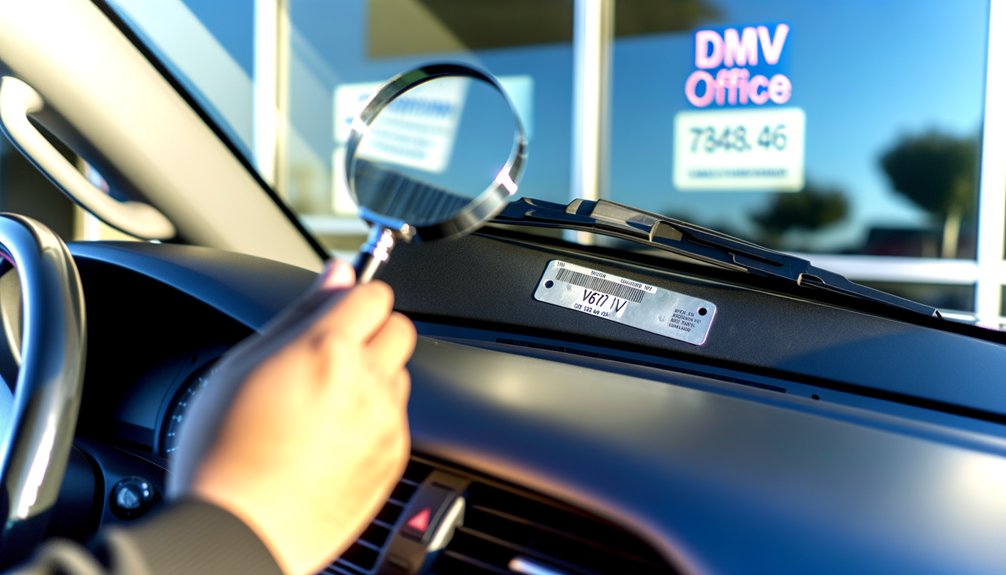
VIN verification serves as an essential safeguard in the automotive world, ensuring that a vehicle’s identity matches its legal documentation. This process involves confirming the Vehicle Identification Number against various records, providing vital data about the car’s history, ownership, and any potential liens. By implementing VIN verification, you minimize the risk of fraud and enhance consumer confidence in the marketplace. It’s important for authenticating a vehicle’s origin, especially in transactions involving used cars. Additionally, as technology evolves, VIN verification adapts, incorporating advanced systems for real-time data access and analysis. Ultimately, understanding VIN verification empowers you to make informed decisions, ensuring both compliance with regulations and the protection of your investment in an increasingly complex automotive landscape. Furthermore, VIN verification is mandated by California DMV regulations, which helps maintain the integrity of vehicle ownership records.
Who Needs VIN Verification in California?
Who requires VIN verification in California? If you’re registering a vehicle that’s previously been salvaged, reconstructed, or is out of state, you’ll need VIN verification. Additionally, if you’re applying for a title for a vehicle that lacks a title or if you’ve made modifications that affect the vehicle’s identification, this process is essential. Certain situations, like when you’re transferring ownership of a vehicle that’s more than 25 years old, may also necessitate verification. Furthermore, if you’re trying to register a vehicle with a VIN that’s been altered or is unreadable, you must seek verification to guarantee compliance with California laws. Ultimately, VIN verification safeguards against fraud and maintains the integrity of vehicle registration in the state. Free of charge services are available through the DMV and CHP for those needing verification.
The VIN Verification Process: Step-by-Step
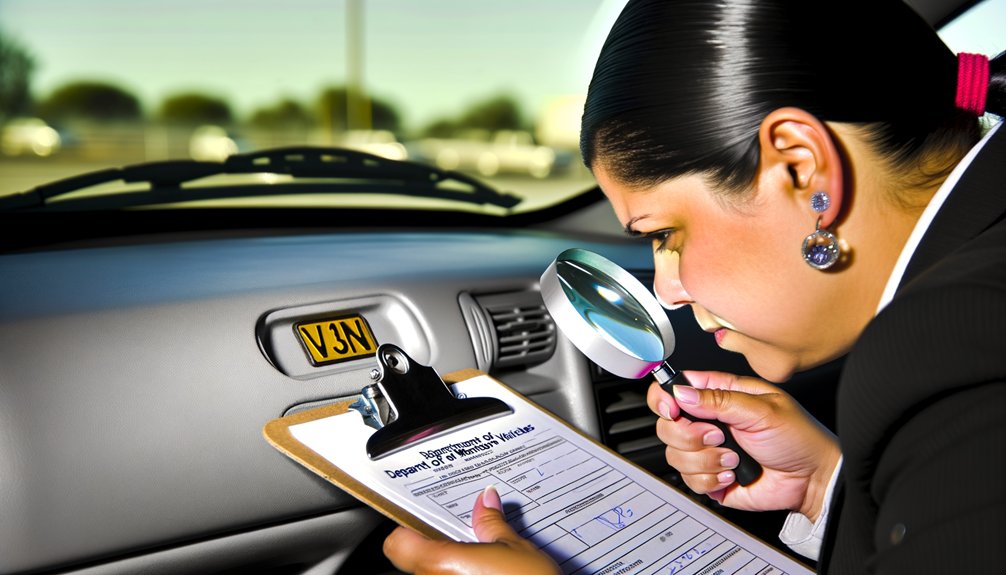
Completing the VIN verification process in California requires following a systematic approach to guarantee compliance and accuracy. First, gather essential documents, including your title, registration, and any relevant receipts. Next, locate the Vehicle Identification Number, typically found on the dashboard or door frame. Then, choose an authorized verifier, such as a DMV agent, law enforcement officer, or licensed VIN verifier. Schedule an appointment if necessary, ensuring you arrive with all required paperwork. During the verification, the agent will inspect your vehicle and confirm that the VIN matches the documents. Once verified, you’ll receive a signed certificate. It’s important to note that VIN verification services are available through Quick VIN Verification. Finally, submit this certificate to the DMV along with your application for registration or title transfer, completing the process efficiently.
Common Scenarios Requiring VIN Verification
In various situations, obtaining a VIN verification is vital to guarantee your vehicle’s legitimacy and compliance with California laws. One common scenario arises when you purchase a vehicle from another state. The DMV requires VIN verification to confirm that the vehicle meets California standards. Similarly, if you’re restoring a classic car, verifying the VIN assures that the vehicle’s history is accurate and that it can be legally registered. Additionally, if your vehicle has been salvaged or rebuilt, VIN verification is critical to confirm compliance with safety regulations. Furthermore, when dealing with vehicles, ensure that you have the necessary Manufacturer’s Certificate/Statement of Origin to facilitate the registration process. Finally, if you’re applying for a title after losing the original, expect to provide a VIN verification to validate ownership. Understanding these scenarios can streamline your vehicle registration process considerably.
Tips for a Smooth VIN Verification Experience
Getting your VIN verification done smoothly can greatly reduce stress during the vehicle registration process. First, gather all necessary documents—your vehicle title, proof of ownership, and identification. This preparation guarantees efficiency. Next, choose a licensed verifier who’s familiar with California laws; their expertise can save you time. Schedule an appointment to avoid long wait times and guarantee the verifier is available. When you arrive, have your vehicle clean and accessible, which facilitates a thorough inspection. Be ready to answer any questions about the vehicle’s history. Finally, keep copies of all documents submitted during the verification. By following these steps, you’ll streamline the process, guaranteeing a seamless experience that aligns with California’s innovative vehicle regulations.
Frequently Asked Questions
How Much Does VIN Verification Typically Cost in California?
VIN verification in California typically costs between $10 to $50, depending on the service provider. You’ll want to compare options, ensuring you find a reliable source that meets your specific needs efficiently.
Can I Complete VIN Verification Online?
You can’t complete VIN verification fully online; it typically requires an in-person inspection by a licensed verifier. However, some services may offer preliminary steps online, so check local options for efficient processing.
Is VIN Verification Required for Custom-Built Vehicles?
Yes, VIN verification is required for custom-built vehicles. You must guarantee compliance with state regulations to establish authenticity and safety. Completing this process accurately helps streamline registration and avoids potential legal issues down the road.
How Long Does the VIN Verification Process Take?
The VIN verification process typically takes about 30 minutes to an hour, depending on your location and the facility’s efficiency. You should schedule an appointment to minimize wait times and guarantee a smooth experience.
What Documents Do I Need for VIN Verification?
For VIN verification, you’ll need the vehicle title, a valid ID, and any previous registration documents. These essentials guarantee a smooth process, helping you comply with regulations while streamlining your vehicle’s registration or title transfer.