RV VIN Verification Requirements in Riverside
June 30, 2025
VIN Verification for Boats — Is It Required?
July 1, 2025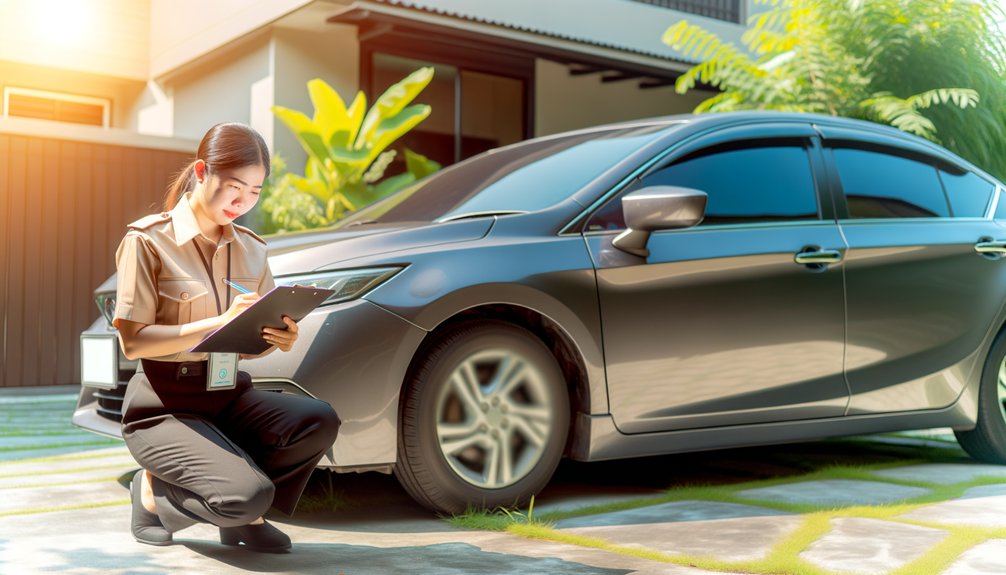
When considering a salvage car, verifying its VIN from home is a smart move. It allows you to uncover important details about the vehicle’s history, including any accidents or title issues. Fortunately, several online services make this process quick and straightforward. But how do you navigate these options effectively? Understanding the steps involved can help guarantee you make a well-informed decision before proceeding with your purchase.
Understanding VIN and Its Importance in Salvage Cars
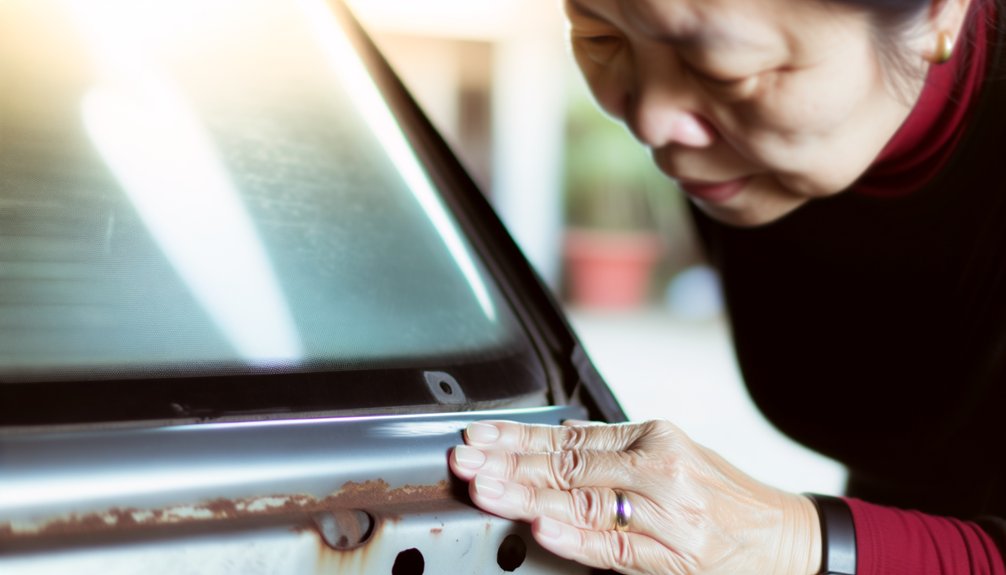
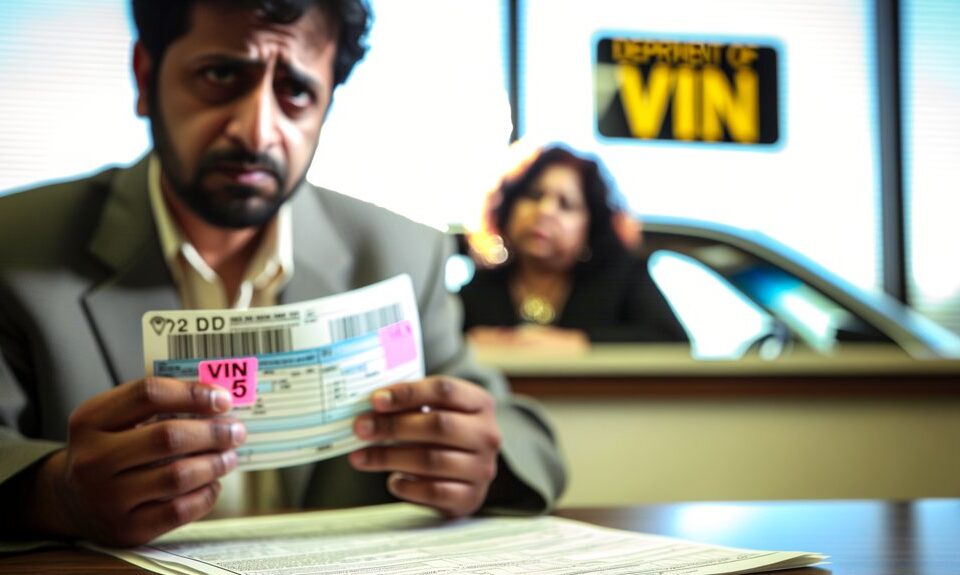
The Vehicle Identification Number (VIN) is like a car’s fingerprint, unique and essential for identifying its history. When dealing with salvage cars, understanding the VIN becomes critical. This alphanumeric code reveals significant information, including the vehicle’s make, model, year, and accident history. By decoding the VIN, you can uncover whether a car has been repaired after significant damage or if it’s been written off entirely. This insight helps you make informed decisions, ensuring you’re not investing in a hidden disaster. Additionally, knowing how to verify a VIN allows you to assess the legitimacy of a salvage title, providing peace of mind. In a market filled with innovation, understanding the VIN is your first step toward a savvy purchase. Furthermore, it’s important to note that VIN verification is essential for re-registering salvage vehicles in California.
Online VIN Check Services
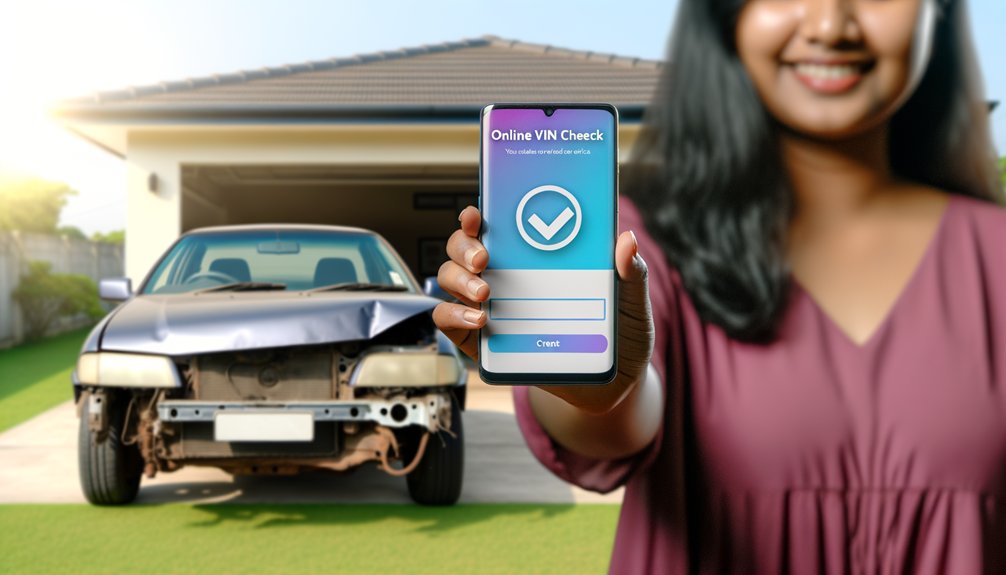
When you’re considering a salvage car, using online VIN check services can be a game changer. These platforms allow you to quickly access essential information about the vehicle’s history, including past accidents, title status, and any liens. By simply entering the VIN, you can uncover valuable insights that help you make informed decisions.
Many services offer user-friendly interfaces and instant results, making the process seamless and efficient. You can compare different options to find the best service that suits your needs. Plus, some sites provide detailed reports, giving you a thorough view of the car’s background. With just a few clicks, you can gain confidence in your salvage car purchase and avoid potential pitfalls. Additionally, ensuring proper VIN verification compliance is crucial for confirming the legitimacy of your vehicle’s title and history.
Benefits of Verifying a Salvage Car VIN From Home
Verifying a salvage car VIN from home offers numerous advantages that enhance your buying experience. First, it saves you time and effort; you can complete the process at your convenience without having to visit multiple locations. Second, it provides instant access to critical information, allowing you to make informed decisions quickly. Third, you can compare different vehicles and their histories side by side, helping you find the best deal. Additionally, verifying from home means you can easily document your findings and keep everything organized. Finally, it reduces the stress of traditional verification methods, offering a more streamlined, efficient approach to ensuring the vehicle’s legitimacy. Embrace innovation and make your car-buying process smoother with remote VIN verification. Moreover, you can have peace of mind knowing that your vehicle will need to pass California compliance emissions labels for registration in the state.
Steps to Verify a Salvage Car VIN Online
Before diving into the steps for verifying a salvage car’s VIN online, it’s essential to gather all necessary information to streamline the process. Here’s what you’ll need:
- The VIN itself, usually found on the dashboard or inside the driver’s side door.
- Details about the car’s make, model, and year.
- Any previous repair history or ownership records, if available.
Once you have this information, follow these steps:
- Visit a reputable VIN verification website.
- Enter the VIN and other required details into the search fields.
- Review the report for any discrepancies or salvage history.
What to Do After VIN Verification
After you’ve completed the VIN verification and reviewed the report, it’s time to contemplate your next steps. First, assess the condition and history of the vehicle. If the report reveals issues like major accidents or flood damage, weigh the risks before proceeding. You might consider negotiating the price with the seller based on these findings.
Next, if you’re still interested, take the car for a thorough inspection by a trusted mechanic. This step can uncover potential hidden problems. Also, check local regulations regarding salvage titles, as they vary by state. Additionally, ensure that the vehicle meets California emission standards, as this is crucial for legal registration. Finally, if everything checks out, you can move forward with the purchase, ensuring you have all necessary documentation to register the vehicle legally.
Frequently Asked Questions
Can I Verify a Salvage Car VIN Without a Physical Inspection?
You can’t fully verify a salvage car VIN without a physical inspection. Online databases and reports can provide some information, but they’re not a substitute for an in-person check to guarantee accuracy and legitimacy.
What Documents Do I Need for VIN Verification?
For VIN verification, you’ll need the vehicle’s title, registration, and any documentation proving its history. Having photos of the VIN and the vehicle can also help streamline the process and provide clarity.
Is There a Fee for Verifying a Salvage Car VIN Online?
Yes, verifying a salvage car VIN online typically involves a fee. You’ll want to check specific platforms, as costs can vary. Investing in this verification guarantees you receive accurate information about the vehicle’s history and condition.
How Long Does the VIN Verification Process Take?
The VIN verification process typically takes a few hours to a couple of days, depending on the service you choose. You’ll want to guarantee you have all necessary documents ready for a smoother experience.
Can I Verify Multiple Salvage Car VINS at Once?
You can verify multiple salvage car VINs at once, but check with your local DMV or verification service. They may have specific procedures or requirements for bulk verifications, so stay informed to streamline the process.