Can a Notary Public Be a VIN Verifier in California?
July 1, 2025
Why Is the DMV Asking Me for a VIN Verification?
July 1, 2025
If you’ve completed your VIN verifier paperwork, you might wonder if you can take it directly to the DMV. It’s essential to understand the specific requirements and procedures in your area before making that trip. Ensuring all documents are in order can save you time and hassle. But what should you know about the submission process? Let’s explore the steps and tips to navigate this smoothly.
Understanding the Role of a VIN Verifier
When you’re dealing with vehicle registration and title transfers, understanding the role of a VIN verifier is vital. A VIN verifier is a trained professional who confirms the authenticity of a vehicle’s identification number. This process helps prevent fraud and guarantees that the vehicle’s history matches its title. You’ll need their expertise when transferring ownership or registering a vehicle, especially if it’s from another state. The verifier inspects the VIN against the title and registration documents, providing a signed certificate to validate their findings. This step is critical in the DMV process, streamlining your experience and reducing potential legal complications. By using a VIN verifier, you innovate your approach to vehicle transactions, ensuring accuracy and security. Additionally, the verification process is governed by California Vehicle Code regulations, which ensure compliance and legitimacy in VIN verification practices.
The VIN Verification Process

The VIN verification process typically involves five key steps that guarantee the vehicle’s identification number is accurate and legitimate. Understanding these steps helps you navigate the process efficiently:
- Gather necessary documents: You’ll need the vehicle title, registration, and any previous VIN verification paperwork.
- Contact a certified VIN verifier: Find a qualified professional to conduct the verification.
- Verify the VIN: The verifier will inspect the vehicle, ensuring the VIN matches the documents.
- Complete the verification form: The verifier fills out the required paperwork, documenting the process. This process is essential for vehicle registration in California, ensuring your vehicle is legally recognized.
Submitting Paperwork to the DMV
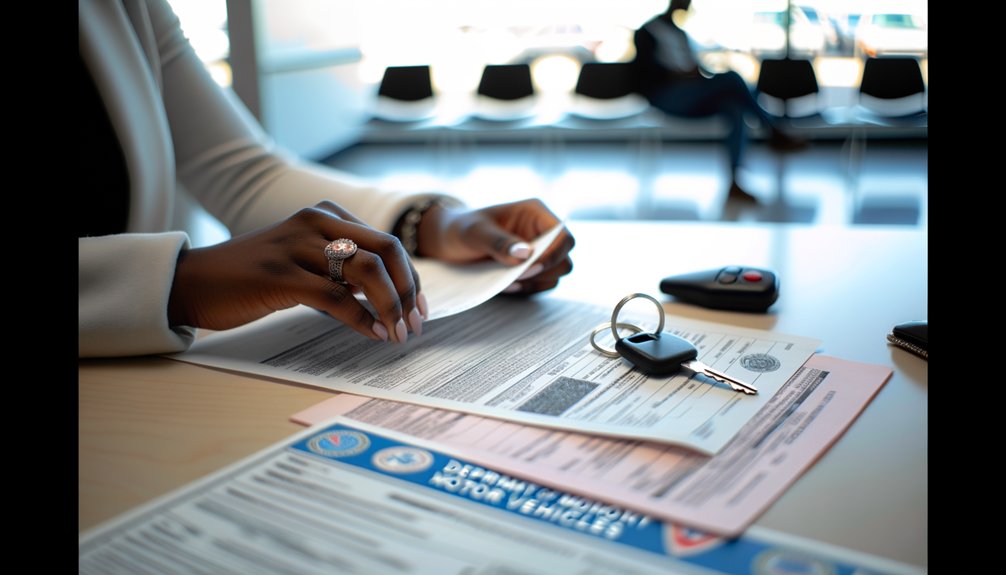
After completing the VIN verification process, you’ll need to submit the paperwork to the DMV to finalize your vehicle’s registration. Gather all necessary documents, including the completed VIN verification form, proof of identity, and any additional forms required by your state. It’s vital to check your local DMV website for specific submission guidelines, as they can vary. You can often submit these documents in person or via mail, depending on the DMV’s policies. If you’re opting for an in-person visit, consider making an appointment to reduce wait times. Confirm all forms are filled out correctly to avoid delays. Additionally, ensure that your vehicle meets California compliance emissions labels to facilitate a smoother registration process. By following these steps, you’ll streamline the registration process and get your vehicle on the road faster.
Common Challenges and Solutions
Maneuvering through the VIN verification and DMV registration process can present several challenges. Here are some common obstacles you might encounter and their solutions:
- Incomplete Documentation: Double-check that you have all necessary paperwork before your visit.
- Long Wait Times: Consider scheduling an appointment to minimize your wait time and guarantee a smoother experience.
- Miscommunication: Clarify any doubts with DMV staff to avoid misunderstandings about your VIN verification.
- System Errors: If you face technical issues, don’t hesitate to ask for assistance or request a supervisor.
- Registration Requirements: Ensure you understand the vehicle permits needed to avoid delays in processing your paperwork.
Tips for a Smooth Registration Experience
To guarantee a smooth registration experience, start by gathering all required documents well in advance. This includes your VIN verifier paperwork, proof of identity, and any additional forms specific to your state. Next, check the DMV’s website for any updates or changes in regulations, as they can impact your visit. Scheduling an appointment can save you time and reduce wait times considerably. Don’t forget to double-check that all information is accurate and complete to avoid delays. If possible, visit during off-peak hours for a more streamlined experience. Finally, be prepared for any fees and have payment options ready. By following these tips, you’ll navigate the registration process with ease and confidence.
Frequently Asked Questions
What Documents Do I Need for VIN Verification?
For VIN verification, you need your vehicle title, registration, proof of identification, and any relevant inspection documents. Make sure you’ve got everything ready to streamline the process and avoid any unnecessary delays.
How Much Does VIN Verification Typically Cost?
VIN verification typically costs between $50 and $100, depending on your location and the service provider. It’s best to check with local agencies or authorized inspectors for the most accurate pricing in your area.
Can I Use a Mobile VIN Verifier?
Yes, you can use a mobile VIN verifier. Many services offer mobile verification, making it convenient for you. Just make certain the verifier is certified and follows your state’s regulations for accurate documentation and compliance.
Is VIN Verification Required for All Vehicles?
VIN verification isn’t required for all vehicles; it’s typically necessary for those with rebuilt or salvaged titles, or if there are discrepancies. Always check your local DMV regulations to guarantee compliance and avoid potential issues.
How Long Is a VIN Verification Valid?
A VIN verification typically remains valid for 30 days from the date of completion. Make sure to submit the paperwork before it expires, ensuring you stay compliant with registration requirements and avoid unnecessary delays.