How to Get Your Motorcycle VIN Verified in Riverside
June 30, 2025
VIN Verification for Kit Cars: What You Need to Know
June 30, 2025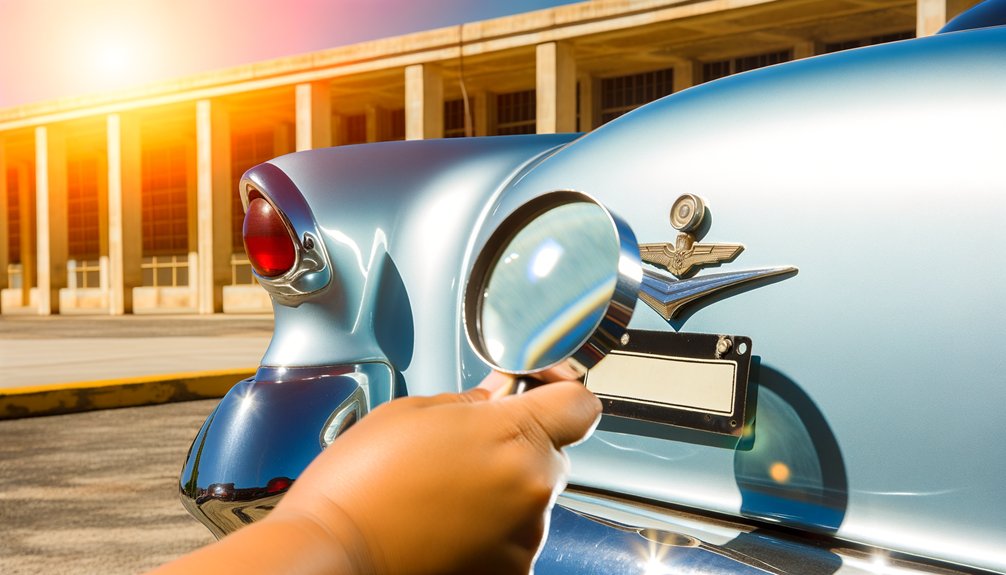
When you’re looking to verify your classic car’s VIN at the California DMV, it’s important to know the steps involved. Having the right documents and knowing where to find your VIN can make the process smoother. But what if you encounter discrepancies? Understanding the common challenges can save you time and frustration. Let’s explore the key tips to guarantee your VIN verification goes off without a hitch.
Understanding the Importance of VIN Verification
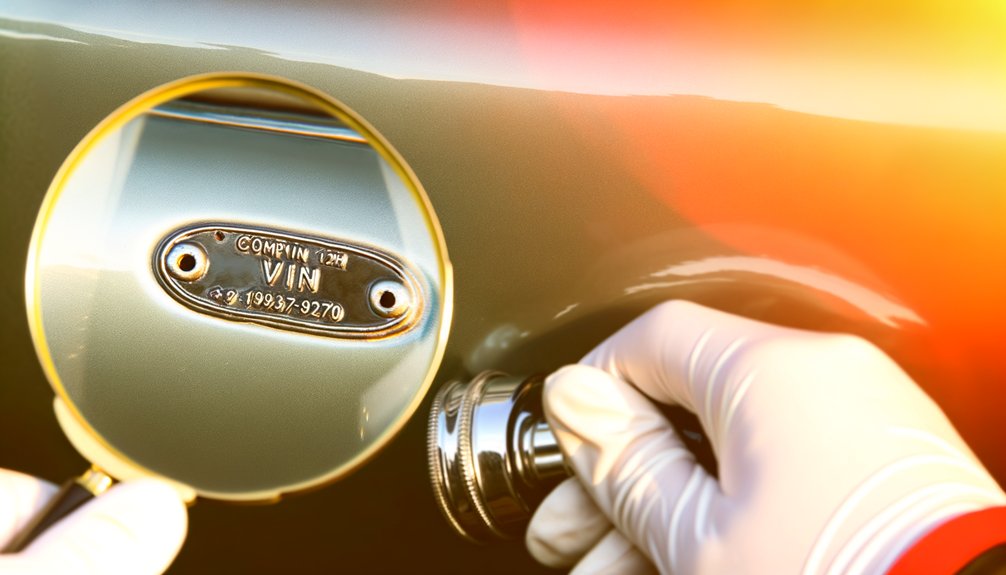
When you’re diving into the world of classic cars, understanding the importance of VIN verification is vital. The Vehicle Identification Number (VIN) serves as a unique fingerprint for each car, providing key details about its history. By verifying the VIN, you can uncover significant information such as past ownership, accident history, and whether the car has been reported stolen. This verification process not only helps you avoid potential scams but also guarantees that your investment is sound. Additionally, VIN verification can enhance the car’s resale value by confirming its authenticity and condition. So, before you make any commitments, take the time to verify that VIN—your future self will thank you for it! Furthermore, it’s essential to recognize that VIN verification is required for vehicle registration in California, ensuring that all vehicles on the road are properly accounted for.
Locating Your Classic Car’s VIN
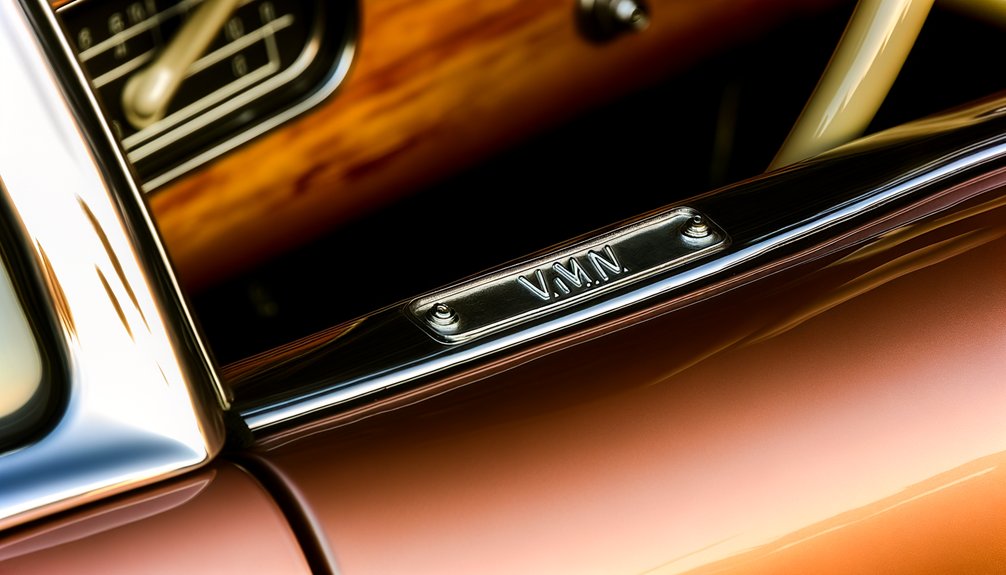
Finding your classic car’s VIN is easier than you might think. Start by checking the dashboard, where the VIN plate is often visible through the windshield. Next, look at the driver’s side door jamb; it’s a common location for manufacturers to place the VIN sticker. Don’t forget to inspect the engine block, as the VIN can also be stamped there. If you’re still having trouble, consult your vehicle’s owner’s manual, which usually contains helpful diagrams. Remember, each classic car is unique, so the VIN’s location may vary based on the make and model. Taking the time to locate this essential identifier will guarantee a smoother verification process when dealing with the DMV. Additionally, ensuring the accuracy of the VIN is crucial for compliance with state regulations.
Required Documentation for VIN Verification
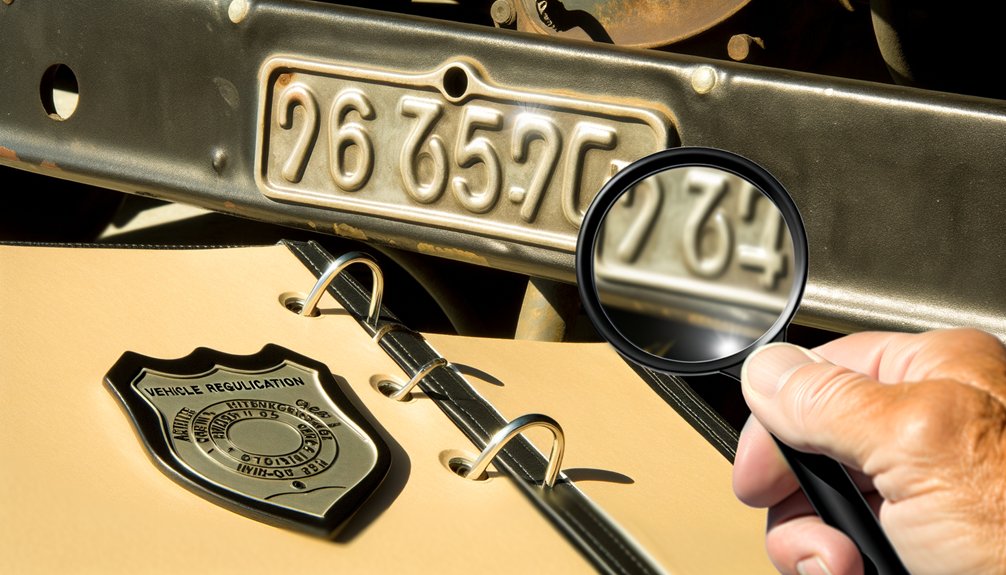
To successfully verify your classic car’s VIN, you’ll need specific documentation that proves ownership and supports the verification process. Start with your vehicle’s title, as it establishes your legal ownership. If you’ve recently purchased the car, include a bill of sale, which outlines the transaction details. Don’t forget your driver’s license or ID; it confirms your identity as the owner. In some cases, bringing any previous registration documents can be beneficial, especially if they include the VIN. Finally, consider any maintenance records or restoration documents that showcase the car’s history. Having these documents organized and ready will streamline the process, ensuring a smoother experience when you head to the DMV for verification. Additionally, be aware that California compliance emissions labels are critical for registration, so check if your classic car meets this requirement.
The VIN Verification Process at the California DMV
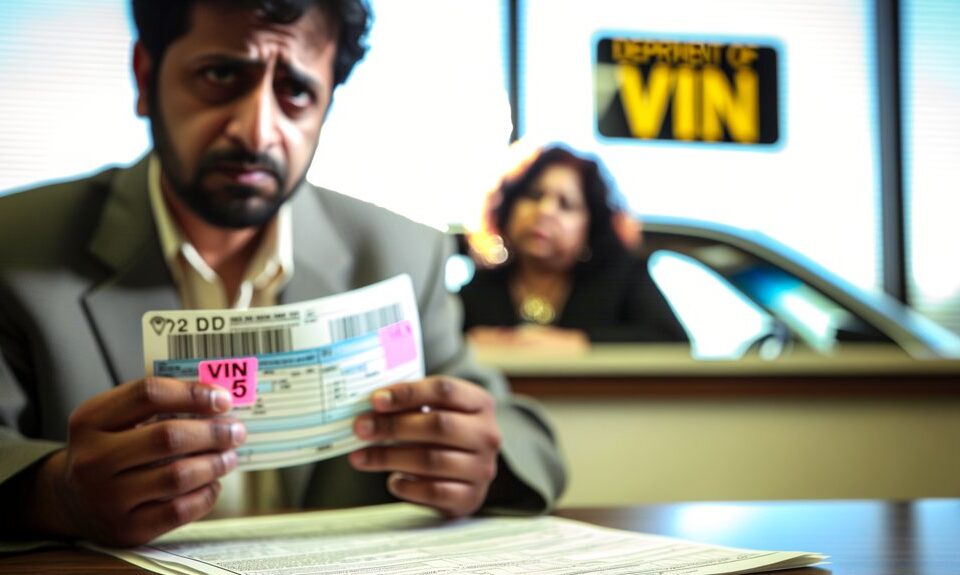
Although it may seem challenging, the VIN verification process at the California DMV is straightforward when you know what to expect. First, gather your required documentation, including your vehicle’s title and registration. Next, schedule an appointment online to avoid long wait times at the DMV. When you arrive, an official will inspect your vehicle, focusing on the VIN location and condition. They’ll also check for any discrepancies between the vehicle and the paperwork. Once verified, you’ll receive a completed VIN verification form, which is essential for registration or title transfer. Remember, staying organized and informed will streamline the process, making your experience at the DMV efficient and hassle-free. Additionally, ensure that your vehicle meets California emission standards, as this is crucial for compliance during the verification process. Your classic car deserves the best, and this is a key step in ensuring its future!
Common Challenges and How to Overcome Them
Even with a solid understanding of the VIN verification process at the California DMV, you might encounter a few common challenges along the way. One frequent hurdle is missing documentation. Make sure you’ve gathered all necessary papers, like the title and previous registration, before your appointment. Another challenge could be discrepancies in the VIN itself—double-check your car’s plates and confirm they match all paperwork. If you face long wait times, consider making an appointment or visiting during off-peak hours. Finally, changes in regulations can catch you off guard; stay updated by visiting the DMV website regularly. By anticipating these challenges and preparing accordingly, you’ll streamline your VIN verification experience and keep your classic car journey on track.
Frequently Asked Questions
Can I Verify a VIN for a Non-Classic Vehicle?
Yes, you can verify a VIN for a non-classic vehicle. Just visit your local DMV or use their online services. They’ll help you confirm ownership and registration details efficiently, ensuring you’ve got accurate information.
Are There Fees Associated With VIN Verification at the DMV?
Yes, there are fees associated with VIN verification at the DMV. You’ll typically pay a small processing fee, which can vary by location. It’s best to check your local DMV for specific details and amounts.
How Long Does the VIN Verification Process Usually Take?
The VIN verification process typically takes about 15 to 30 minutes. However, wait times can vary based on your local DMV’s workload. It’s best to visit during non-peak hours for a quicker experience.
Can I Complete VIN Verification Online?
You can’t complete VIN verification online. It typically requires an in-person inspection by an authorized professional. However, some DMV services may offer online appointments, so check their website for the latest options and availability.
What if My Classic Car Has a Missing VIN?
If your classic car’s missing a VIN, you’re facing a challenge. You’ll need to gather documentation and possibly apply for a new VIN through your local DMV. Stay proactive to navigate this process smoothly.