The Benefits of VIN Verification for Vehicle History Reports
August 8, 2024
The Role of VIN Verification in Ensuring Accurate Vehicle Recalls
August 8, 2024
If you've ever lost or damaged your vehicle's VIN verification certificate, you know the hassle of trying to get a duplicate. First off, you'll need to verify that all your documents, especially your Certificate of Origin, are original—copies won't cut it. As you start this process, remember each state has its specific form and procedure; for example, California requires a completed REG 31 form. Navigating through this bureaucratic maze can be tricky, and you might be wondering if there's a more streamlined approach or common pitfalls you should avoid. Let's explore some effective strategies and tips to ensure you don't hit any roadblocks along the way.
VIN Verification Requirements
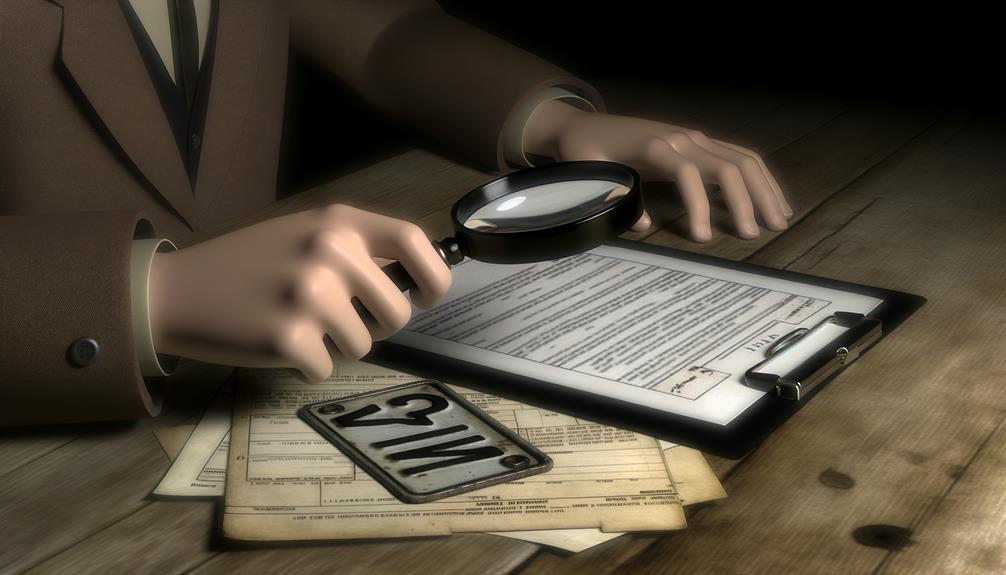
To ensure your out-of-state vehicle purchase complies with California regulations, you'll need a VIN verification. This process isn't just a formality—it's your ticket to hitting the open road without legal hitches. A VIN, or Vehicle Identification Number, is essentially your car's unique DNA. It must be verified to ensure the vehicle matches the documents provided and meets all state standards.
If you're missing your Certificate of Origin, don't sweat it—you can request a duplicate title. This duplicate must be clearly marked as such and contain all required security features to be deemed valid. Remember, discrepancies between your documents can derail your verification process. It's crucial that everything is spot-on to avoid any delays.
You've got options for where to get this done. For around $40, third-party services can handle your VIN verification swiftly. However, if your vehicle is a salvage, you might need to head over to the CHP. They're authorized to conduct these verifications, ensuring that your freedom machine is up to code.
Navigating these requirements ensures you're all set. So, get your documents in order, and you'll be on your way to endless California adventures.
Obtaining Certificate of Origin
You'll need a Certificate of Origin if you're bringing an out-of-state vehicle to California for VIN verification. This document, also known as MCO or MSO, is crucial for confirming the authenticity of your vehicle's VIN number.
If your vehicle was financed and the original Certificate of Origin is held by the finance company, you might find yourself in a bit of a bind. Don't fret; you can request a duplicate.
If you're in Pennsylvania, for instance, you'd use Form MV-380 to apply for this duplicate title. It'll cost you $53, and if there's a lien involved, you'll need to provide a lien release letter. Remember, this duplicate must have proper security features and be clearly marked as a duplicate to be valid for VIN verification in California.
Make sure you don't rely on photocopies; they won't do the trick. Only original documents are accepted in the verification process to protect against fraud and ensure that all vehicles on the road are legally accounted for.
Third-Party VIN Verification

Many vehicle owners find that third-party VIN verification services in California, typically costing around $40, offer a cost-effective and efficient alternative to DMV appointments. When you're ready to move forward with your Vehicle Identification Number (VIN) verification, a third-party service can be a liberating choice. You can avoid the long waits and rigid schedules often associated with the DMV, giving you the freedom to handle the verification on your terms.
To get started, you'll need to gather the original documents, like your Certificate of Origin (MCO/MSO), as these third-party verifiers don't accept photocopies. This ensures the authenticity of your paperwork, streamlining the process. Remember, the California DMV might also require you to show proof of tax payment, so having this ready could save you a headache later.
Opting for a third-party verifier not only speeds up the process but also puts you in control. You're not tied down to the limited availability of DMV appointments. Instead, you can choose a verifier who matches your schedule and budget, ensuring that your verification experience is as smooth as possible.
Take advantage of these flexible, efficient services and get your VIN verification done without the hassle.
DMV Experience
Navigating the DMV for VIN verification can often feel like a maze, especially when you're trying to locate the correct services. The California DMV might seem daunting, but knowing a few tips can set you free from potential headaches.
First off, remember that not all DMV offices offer VIN verification. It's wise to call ahead or check online, though information mightn't always be up-to-date. This way, you're not wasting time and fuel driving to multiple locations.
Once you're at the right DMV, the actual VIN verification process is straightforward if your vehicle's documents are in order. Inspectors will check your VIN, mileage, and emissions sticker. If everything matches up, you're good to go.
But be prepared—depending on the day, you might face long lines or varying service levels. Arriving early or later in the day can sometimes mean shorter waits.
Also, if you're bringing in a vehicle from out of state, make sure you've settled any tax payments beforehand, as this is required for the California DMV to proceed with the verification. This upfront effort will streamline your visit, letting you enjoy more freedom with less time tied up at the DMV.
Challenges and Solutions

While the DMV experience can be daunting, understanding the challenges and finding effective solutions can significantly smooth the process of obtaining a duplicate VIN verification certificate.
One common hurdle is the difficulty in securing original documents like the Certificate of Origin. You'll need to communicate effectively with your finance company or state agencies to resolve these issues swiftly.
Another challenge arises if there are discrepancies between your vehicle's documents and the actual VIN. It's crucial to ensure all information matches before you submit for verification to avoid invalidation.
If you're facing persistent difficulties with the DMV due to long wait times or documentation challenges, consider using a third-party VIN verification service. Although it might cost around $40, it could save you time and frustration.
Additionally, familiarize yourself with the specific protocols of your local DMV office. This local knowledge can drastically reduce processing times and increase your chances of a successful verification.
Required Documentation
To successfully acquire a duplicate VIN verification certificate, you'll need to ensure all required documents are accurately prepared and presented. The cornerstone of this process is possessing a clean title that matches the Vehicle Identification Number (VIN) on your vehicle. Any discrepancies here can derail your efforts, so double-check every detail.
You'll also need to complete Form REG 31, a crucial piece of required documentation for the VIN verification process. This form confirms the authenticity of the VIN and the vehicle's eligibility for a duplicate certificate. Be meticulous in filling out this form to avoid any potential setbacks.
If your vehicle has an out-of-state title, ensure it's clear and not previously marked as salvaged unless it's specifically cleared by the California Highway Patrol (CHP). Remember, for salvage vehicles, only the CHP has the authority to handle your VIN verification in California. The DMV or other entities won't be able to assist you with this.
Bringing all the right documents to the table not only streamlines the process but also empowers you to move forward without unnecessary restrictions. Keep your journey towards freedom on track by preparing thoroughly and adhering to these guidelines.
Limitations and Restrictions
Before you proceed, be aware that certain limitations and restrictions apply to obtaining a duplicate VIN verification certificate.
As a vehicle owner, it's crucial to know that not all vehicles qualify for this process. For instance, if your vehicle is a salvage, only the California Highway Patrol (CHP) can verify it. This means you can't just stroll into any local agency for your duplicate certificate of title if your ride falls into this category.
Moreover, if your vehicle originally comes from outside California, ensure the title is clear and without liens. Owning a vehicle that's still under a loan could block your path to getting a verified duplicate.
Also, remember that certain vehicles, especially those not meeting California emissions standards or with non-transferable titles, are outright ineligible for VIN verification. You'll be stuck if your vehicle falls into these categories.
Lastly, the physical presence of your vehicle is non-negotiable during the verification process. If your vehicle can't be inspected in person, you're out of luck in securing that duplicate certificate. This requirement ensures that the verification process upholds its integrity, but it does limit your flexibility.
Make sure your vehicle is readily accessible and meets all conditions to avoid any setbacks.
Frequently Asked Questions
How Much Does a VIN Verification Cost in California?
In California, you'll typically pay around $40 for third-party VIN verification services. However, the CHP provides this service for free, though sometimes you need a DMV letter. Costs at DMV offices may vary.
Who Is Authorized to Do a VIN Verification in California?
You can get your VIN verified in California by the CHP, DMV offices, or certified third-party services. Ensure third-party verifiers are DMV-recognized to avoid problems with your verification's acceptance.
Can There Be Duplicate VIN Numbers?
There can't be duplicate VIN numbers; each VIN is unique to its vehicle. If you find duplicates, it's likely a sign of fraud or theft, and you should investigate immediately.
What Do I Do if I Lost My Pink Slip in California?
If you've lost your pink slip in California, fill out the REG 227 form and submit it to the DMV with a $27 fee. Ensure all documents are original, not photocopies.