The Role of Technology in Modern VIN Verification Processes
August 8, 2024
Why VIN Verification Is Important for Commercial Vehicles
August 8, 2024
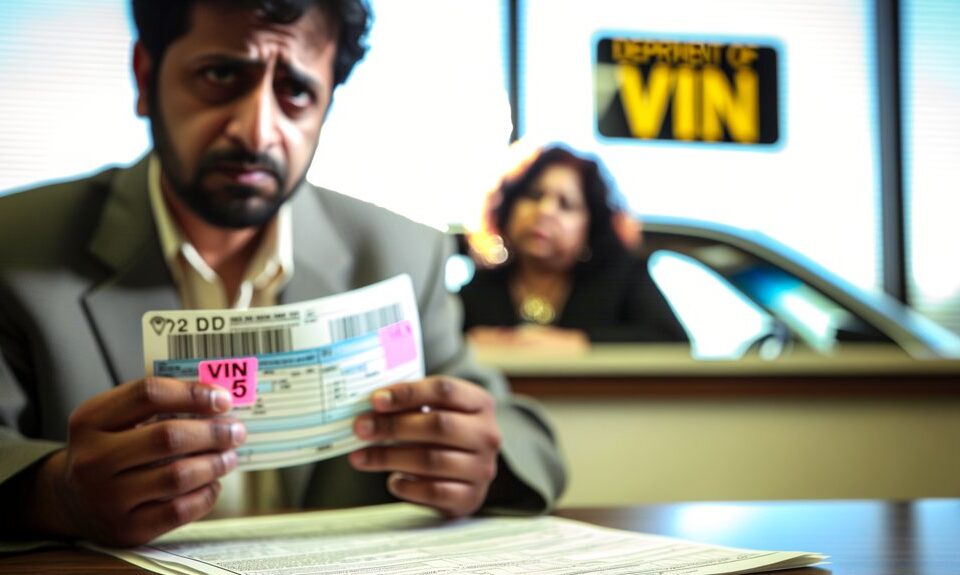
When you're handling VIN verification for your leased vehicle, it's crucial to start by ensuring all your documents are in order. You'll need to have the lease agreement, a valid ID, and the vehicle's current registration. It's also important to check with your leasing company about any specific requirements they might have. Once you've gathered everything, you'd typically go to a designated verification site—often a police station or DMV office. But what if there's a discrepancy between the documents and the actual vehicle details, or if the leasing company's requirements complicate the process? These challenges can pose unique hurdles, and navigating them efficiently can save you both time and potential legal headaches.
Registration Application Steps

What do you need to start the registration process for a leased vehicle?
First off, you'll need to complete the California DMV's REG 343 form. This isn't just any paperwork; it's your ticket to hitting the road with your leased car. Make sure both you and the leasing company sign off on this form—it's crucial for moving forward.
Next, there's the matter of VIN verification. This step is essential to ensure your leased vehicle is exactly what it appears to be. You might think it's just a formality, but it's actually your safeguard against potential headaches down the road. You'll need to visit an authorized location to get this done.
Gathering Necessary Documents
Now that you've completed the REG 343 form and planned your VIN verification visit, let's ensure you have all the necessary documents ready. For your leased car in CA, having the correct paperwork is crucial to navigate the process swiftly and without unnecessary constraints.
Start by securing the original registration card from the previous state, which is indispensable for confirming your vehicle's identity. You'll also need the VIN verification form, an essential document that records the details of the verification process.
Next, compile documents that include the name and address of your leasing company. If there's a lien holder involved, and their details differ from those of the leasing company, you'll need this information too. This ensures that all parties linked to your leased vehicle are properly acknowledged in the verification process.
Additionally, since California emission standards are stringent, gather any documents demonstrating that your vehicle complies with these regulations. If any registration documents are missing, especially those related to VIN, you might need to reach out to the DMV in the original state to obtain these.
This preparation will streamline your VIN verification, helping you maintain the freedom to drive without legal hindrances.
Understanding Smog Check Rules
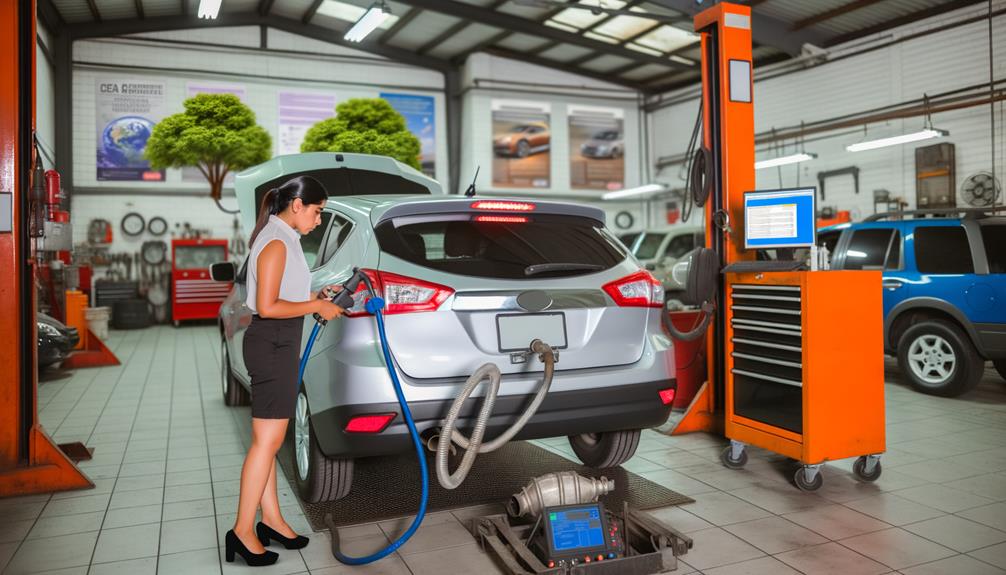
Before you register your leased vehicle in California, it's crucial to ensure it passes a smog check to meet state emission standards. Embracing this requirement not only keeps you in compliance but also contributes to the freedom of enjoying cleaner air and a healthier environment.
Remember, most vehicles need a smog check, but if your leased ride is a newer model—specifically, 6 years old or less—and already registered in California, you might be in luck with an exemption. This could save you time and hassle.
However, for other vehicles, including older or diesel models, checking if they're due for a test is key.
Finding a licensed smog check station is straightforward. You can quickly locate one online, ensuring they handle the necessary emissions tests efficiently.
This step is vital, as you'll need to submit a smog check certificate for your vehicle registration. Without this proof of compliance, your registration process could hit a snag, delaying your ability to legally drive.
Conducting VIN Verification
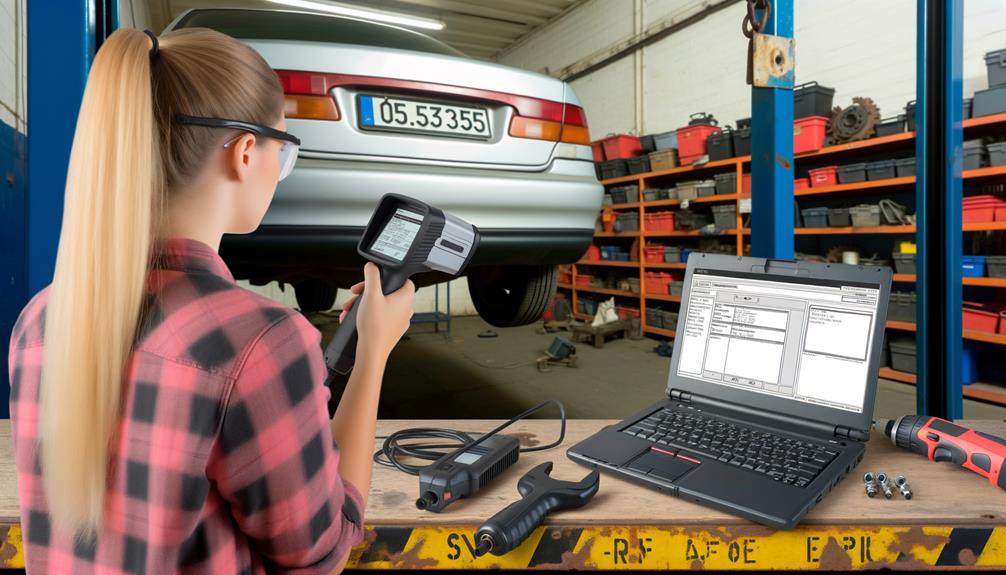
You'll need to conduct VIN verification to ensure your leased vehicle's identification number matches its official documentation. This step is crucial in the registration process, helping you avoid any hiccups that can restrict your freedom to use your vehicle as soon as possible.
First off, locate an authorized office where you can perform VIN verification. It's there you'll get the necessary verification form. Make sure you have your latest original registration card and any other required documents with you. This preparation speeds up the process, letting you hit the road quicker.
During the verification, an official will check the Federal Certification Label on your vehicle. This is to confirm compliance with California emission systems, ensuring your vehicle meets local environmental standards. It's not just about following rules; it's about contributing to a healthier environment while securing your right to drive.
Addressing Commercial Vehicle Needs

After covering the basics of VIN verification, let's focus on the specific needs of leased commercial vehicles.
You're steering through a unique set of challenges, but with the right know-how, you'll navigate this with ease.
First up, if your leased vehicle hails from out of state and lacks weight specifics, you'll need a weight certificate. Make sure it details the tare, unladen, or shipping weight—this can only be snagged from licensed public scales.
Next, VIN verification for your commercial vehicle isn't just about matching numbers. It's crucial to confirm compliance with California emission systems, pivotal for successful registration. This step ensures your vehicle meets local environmental standards, keeping you on the right side of regulations.
Don't forget, the registration process for commercial vehicles often requires specific documentation. You'll likely need the Vehicle/Vessel Transfer and Reassignment Form REG 262. This form is essential, so double-check you've got it filled out correctly.
Staying compliant is key. Each jurisdiction might have its own twist on requirements for leased vehicles. Always verify local regulations to ensure you're not hitting any roadblocks that could stall your registration process.
Overcoming Registration Challenges
Navigating the registration process for your leased vehicle often involves overcoming several challenges, especially during VIN verification. You're striving for the freedom to drive without legal hitches, and the key lies in handling these hurdles effectively.
First off, ensure you've got all necessary documents handy. This includes the original registration card from the previous state and a current smog check certificate, both crucial for a smooth VIN verification.
If discrepancies pop up during VIN verification, don't hesitate to reach out to your leasing company immediately. They're there to help clarify any issues and ensure that your vehicle's identification number aligns perfectly with all legal documents. Remember, accuracy in this step is vital for meeting California emission standards and avoiding future headaches at the DMV.
Prepare yourself for potential delays. The DMV might require multiple visits to iron out any complications with your leased vehicle's registration. Patience and preparation are your best allies here.
Keep a copy of all interactions and submitted forms. This record can be a lifesaver if you need to reference previous discussions or prove that specific steps were completed.
Utilizing Alternative Assistance

To streamline the VIN verification process for your leased vehicle, consider utilizing online services that provide easy access to necessary forms and guidelines. These platforms cater to your need for efficiency and freedom, letting you handle everything from the comfort of your home.
Don't underestimate the power of third-party assistance either. These professionals ensure all your documents, including the crucial Federal Certification Label, are perfectly lined up and submitted without errors. This can notably cut down the time and effort you'd otherwise spend navigating through bureaucratic hurdles.
Additionally, tapping into membership organizations such as AAA can be a game-changer. These groups often have direct DMV links, offering expedited processing that's not just faster but also less taxing. It's all about making the process smoother so you can focus on enjoying your vehicle, not getting bogged down by paperwork.
Lastly, dive into community forums. They're a treasure trove of real-life experiences and advice from folks who've been in your shoes. Learning from their successes and missteps can guide you to a hassle-free VIN verification experience. Here, you'll find not just tips but also moral support from a community that values freedom as much as you do.
Legal Considerations and Support
While handling VIN verification for your leased vehicle, ensure the VIN matches all official documents to prevent legal issues and potential penalties. It's crucial not just for compliance but to shield yourself from headaches down the road.
If you spot discrepancies, don't hesitate to reach out to your leasing company immediately. They're there to assist and ensure everything lines up correctly.
Should the issue deepen, consider legal support. An attorney can guide you through the complexities of your lease agreement and help articulate your rights. This is vital for defending your freedom in using the vehicle as you please without unwarranted constraints.
Moreover, proper documentation is your best ally. Keep all records intact—from your lease agreement to any communications about VIN corrections. This paper trail is indispensable, especially if the dispute escalates or impacts insurance claims.
Frequently Asked Questions
Who Is Authorized to Do a VIN Verification in California?
You're free to choose from DMV employees, law enforcement officers, or licensed vehicle verification services in California for your VIN verification. Just ensure they're authorized to handle it efficiently and correctly.
How Much Is a VIN Verification in California?
In California, you'll pay between $10 and $50 for a VIN verification, depending on where you go. Some DMV offices might not charge extra if it's part of a registration appointment.
Do You Need to Pay Taxes to CA DMV on a Car Lease Buyout?
Yes, you'll need to pay California's 8.25% sales tax on your lease buyout amount. Make sure to provide your leasing company's Tax ID to possibly defer any immediate sales tax liability.
What Do I Need to Register My Leased Car in California?
To register your leased car in California, you'll need form REG 343 signed by both parties, a notarized power of attorney, the latest registration card, a smog check certificate, and possibly additional documents.