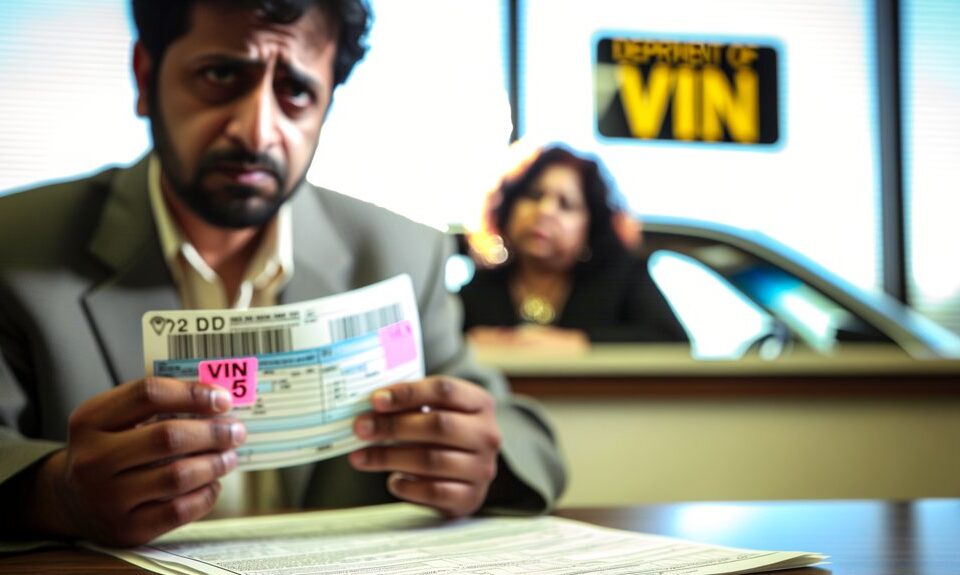
Mobile VIN Verification Near Riverside — A Step-by-Step Guide
June 30, 2025
VIN Verifier Near Me: Riverside Mobile Options
June 30, 2025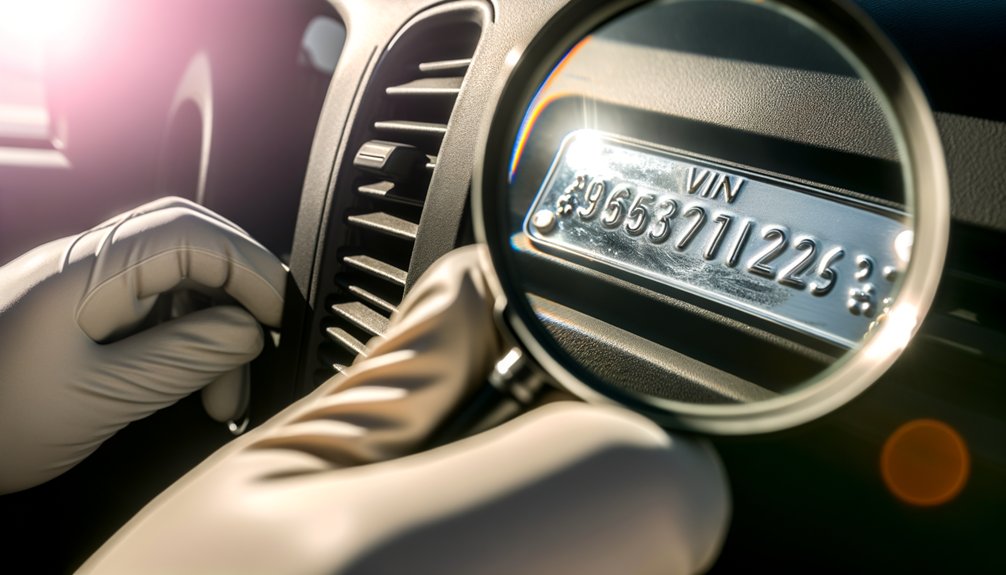
If you’re looking to pass a VIN verification in California, it’s essential to understand the requirements and gather the right documents. You’ll need your vehicle title, registration, and a valid photo ID to start. Knowing where to go for verification can save you time, but you must also guarantee all VINs match your paperwork. Let’s break down the process and explore the steps to make this experience as seamless as possible.
Understanding VIN Verification Requirements
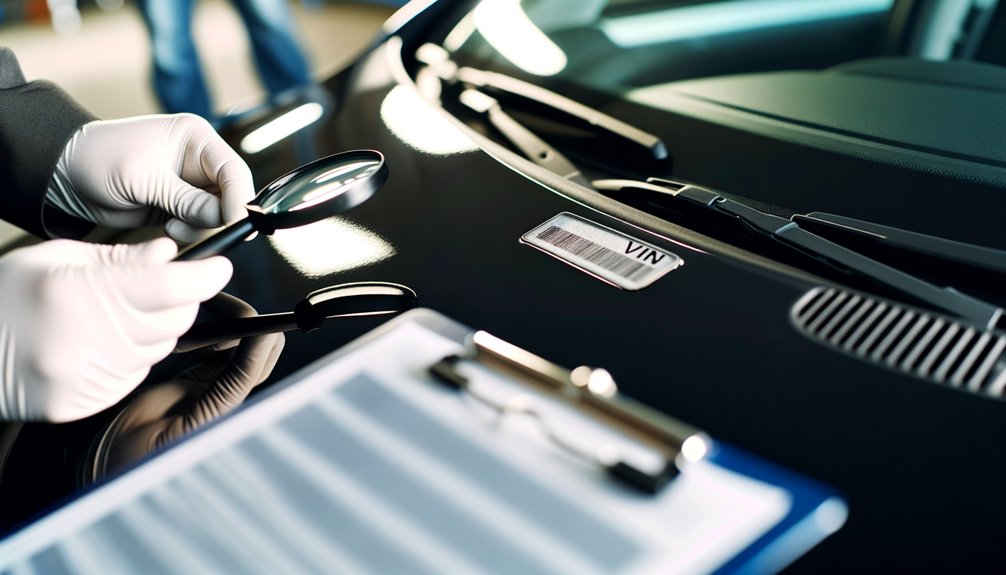
When you’re steering through the process of VIN verification, it’s vital to understand the specific requirements that vary by state or jurisdiction. Each state has unique guidelines regarding the verification procedure, and California is no exception. You’ll need to familiarize yourself with local regulations to guarantee compliance. Typically, this involves knowing what qualifies as a valid VIN and how it must be presented. Be aware that some jurisdictions may require physical inspections or additional documentation, so it’s important to check with your local Department of Motor Vehicles (DMV) or regulatory body. By staying informed and proactive, you can navigate the VIN verification landscape with confidence, ensuring a smoother experience as you innovate in the automotive world. Additionally, remember that a VIN verification process is essential for vehicle registration in California.
Necessary Documents for VIN Verification
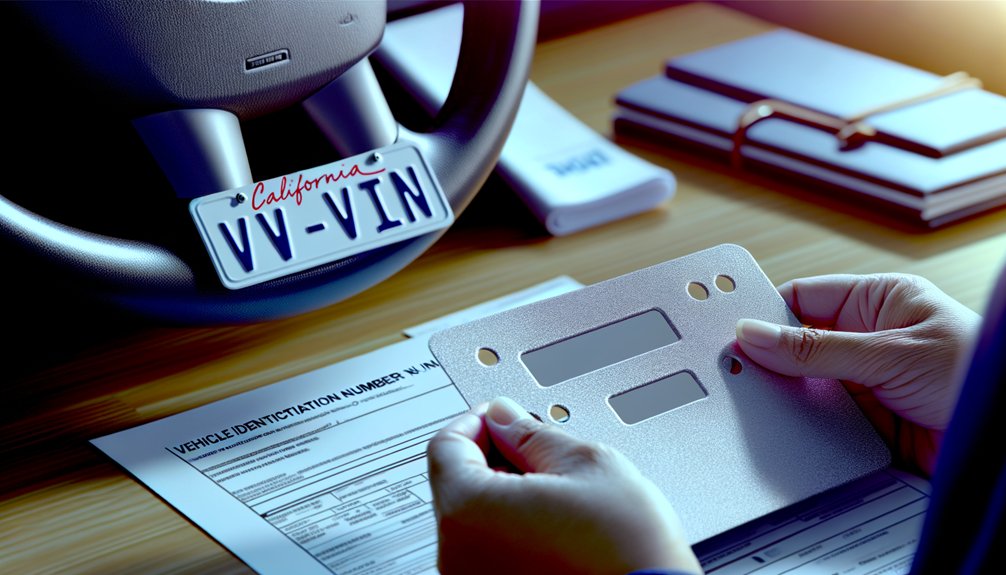
Gathering the necessary documents for VIN verification is essential to guarantee a seamless process. First, you’ll need your vehicle’s title or registration certificate, which confirms ownership. Don’t forget to bring a valid photo ID, like your driver’s license, to verify your identity. If your vehicle is a motorcycle or a trailer, you may also need to present the manufacturer’s statement of origin. Additionally, it’s wise to have any previous inspection reports handy, as they can provide helpful context. Finally, make sure you have proof of insurance, as this illustrates that the vehicle is legally operable. By preparing these documents in advance, you’ll streamline your VIN verification experience and minimize potential delays. It’s also important to note that VIN verification can be completed quickly if using a VIN verification service.
Locations for VIN Verification in California
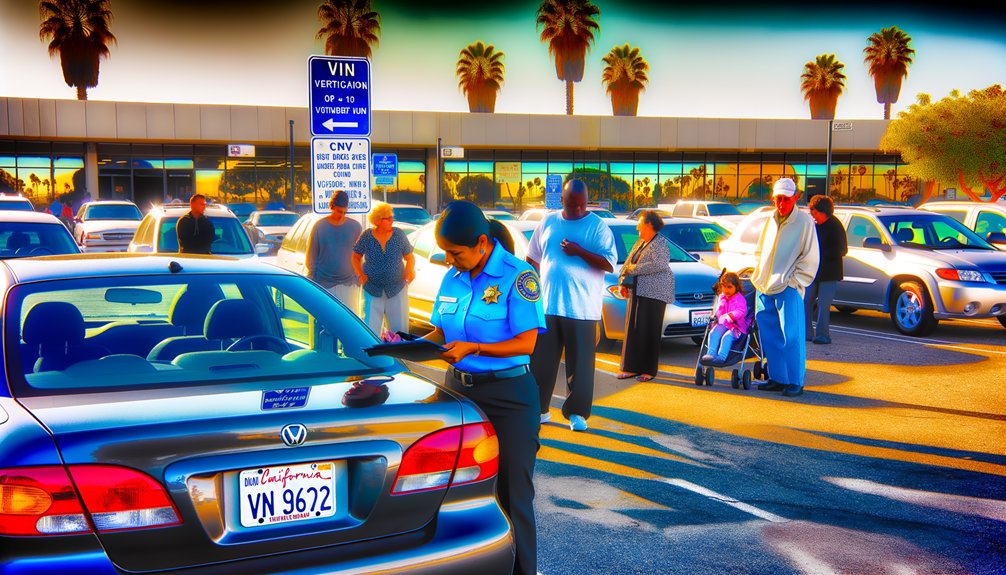
Finding the right location for VIN verification in California is vital to guarantee your vehicle meets all regulatory requirements. You can start by visiting your local Department of Motor Vehicles (DMV) office, which offers VIN verification services. Some authorized private businesses also provide VIN verification, making it more convenient for you. Additionally, consider checking with licensed automotive dealerships or certified mechanics, as they may have the capabilities to perform the verification. It’s important to make sure that the location you choose is officially recognized by the California DMV to avoid any complications. Always call ahead to confirm availability and any fees associated with the verification process, ensuring a smooth and efficient experience. Ensure the verifier follows California Vehicle Code guidelines to maintain compliance.
Step-by-Step Process for VIN Verification
To successfully complete a VIN verification, you’ll need to follow a straightforward process that guarantees compliance with state regulations. First, gather your vehicle’s title, registration, and any supporting documents. Next, locate an authorized verifier, such as a DMV employee or a licensed inspection station. Schedule an appointment to minimize wait times. During the verification, confirm all VINs on the vehicle match those on the documents. The verifier will inspect the vehicle and complete the necessary forms. After passing, you’ll receive a verification certificate, which you must keep for your records. Finally, submit your verification certificate to the DMV along with any required paperwork to finalize your registration or title. Following these steps secures a smooth verification process. Additionally, ensure that your vehicle meets California emission standards before proceeding with the verification.
Tips for a Smooth VIN Verification Experience
While preparing for your VIN verification, it’s essential to double-check that all your documents are in order. This includes having your title, registration, and proof of identity ready. To guarantee a smooth experience, consider scheduling your appointment during less busy hours.
| Tip | Description |
|---|---|
| Arrive Early | Give yourself extra time to avoid delays. |
| Bring All Necessary Docs | Confirm you have everything listed above. |
| Know Your Vehicle | Familiarize yourself with its details and VIN location. |
Frequently Asked Questions
How Much Does a VIN Verification Cost in California?
In California, a VIN verification typically costs between $20 to $50, depending on the service provider. You’ll want to check with local DMV offices or certified inspectors for exact pricing and any additional fees.
Can I Get a VIN Verification Done at Home?
You can’t get a VIN verification done at home. It requires a certified verifier to inspect your vehicle in person, ensuring compliance with regulations. Schedule an appointment for a thorough and efficient verification process.
Is VIN Verification Required for All Vehicles?
VIN verification isn’t required for every vehicle. Generally, it applies to those being registered for the first time, especially if they’re used or out-of-state. Check your local regulations to see what’s necessary for yours.
Does VIN Verification Expire After a Certain Time?
VIN verification doesn’t technically expire, but if you wait too long to register your vehicle, you may need a new verification. It’s best to complete the process promptly to avoid potential complications.
What Happens if My VIN Doesn’t Match DMV Records?
If your VIN doesn’t match DMV records, you’ll face potential registration issues. You’ll need to resolve discrepancies by providing documentation, such as purchase receipts or previous registrations, to guarantee your vehicle’s records align correctly.