Common Myths About VIN Verification in California
August 7, 2024
The Difference Between VIN Inspection and VIN Verification
August 7, 2024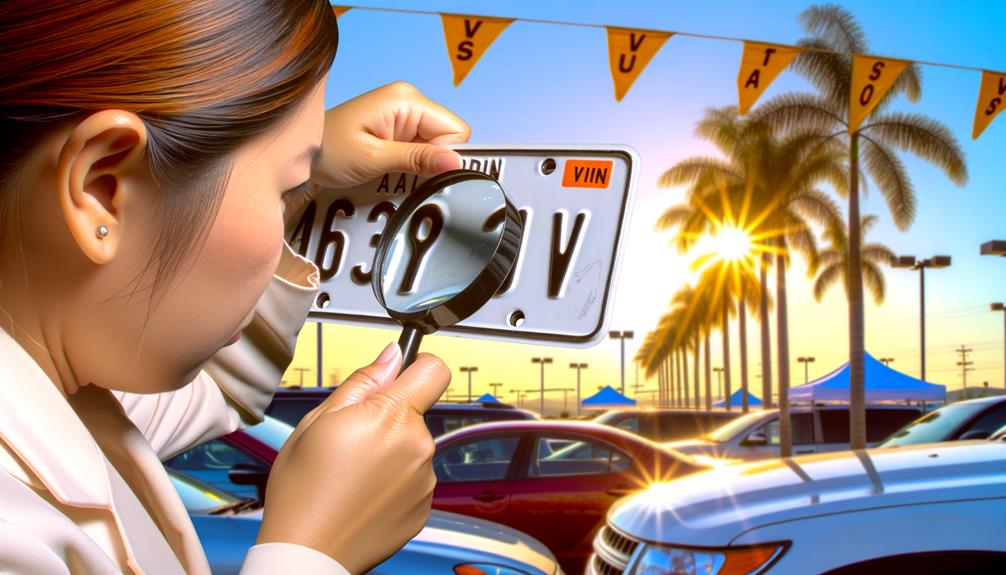
As a California vehicle owner, you're likely aware of the rising instances of VIN cloning and manipulation. It's crucial you know how to spot a fake VIN to protect yourself from potential fraud. Start by examining the VIN plate for any signs of tampering, such as unusual scratches or inconsistent fonts. Don't overlook the importance of checking the VIN consistency across all vehicle documentation and physical locations. While these initial steps can be revealing, there are more subtle signs that aren't as immediately obvious. In the following discussion, we'll explore deeper into these nuances, uncovering the less visible red flags that could save you from a costly mistake.
Understanding VIN Basics
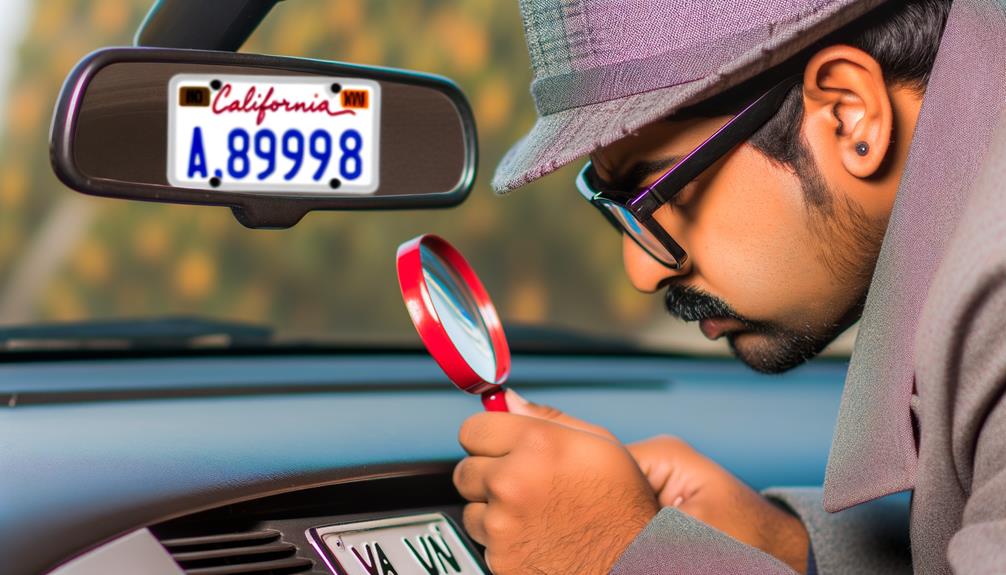
To effectively manage your vehicle's identity and legality, it's crucial to understand the basics of the Vehicle Identification Number (VIN). This unique vehicle identification number isn't just a random string of characters; it's your car's unique fingerprint, essential for ensuring that everything from your ownership documents to your insurance policies is accurate and secure.
Imagine the freedom of hitting the road with the confidence that your vehicle's identity is protected. Your VIN, a 17-character code, is hidden in plain sight, typically on metal plates or stickers positioned on the dashboard, door frames, or even etched into the engine or frame. Each character in this sequence is a clue to your vehicle's origins and identity: the first character reveals the country of manufacture, the next two provide the manufacturer's identity, and the tenth indicates the model year.
Being savvy about where to find your VIN and what it symbolizes helps safeguard your rights as an owner. It's your tool for navigating legal processes like insurance registration and vehicle sales, ensuring that the freedom your vehicle grants isn't compromised by legal or fraudulent concerns.
Stay alert and informed, and you'll keep your journey smooth and secure.
Recognizing VIN Cloning
Now that you understand VIN basics, let's examine how to recognize VIN cloning, a common tactic used by thieves to pass off stolen vehicles as legitimate. VIN cloning isn't just a minor issue; it's a significant threat to your freedom to buy and sell vehicles confidently. Here's how you can spot the signs and protect yourself.
Firstly, scrutinize the VIN plate closely. A genuine VIN plate should be firmly attached and free of tampering signs such as scratches or mismatched fonts. If it looks like the VIN plate has been removed or replaced, you're likely looking at a fake VIN. This is a red flag that the vehicle may have been stolen and given a new identity.
Moreover, consistency is key. Check that the VIN is the same in all its locations – on the dashboard, door stickers, and any official documentation. Any discrepancies could indicate VIN cloning. It's crucial to ensure that every piece of the puzzle matches up perfectly.
Don't hesitate to verify the VIN with a trusted mechanic or by using a reputable online VIN checker. Taking these steps will help you avoid buying a cloned vehicle, keeping your vehicle transactions secure and your motoring life hassle-free.
Consequences of Fake VINs
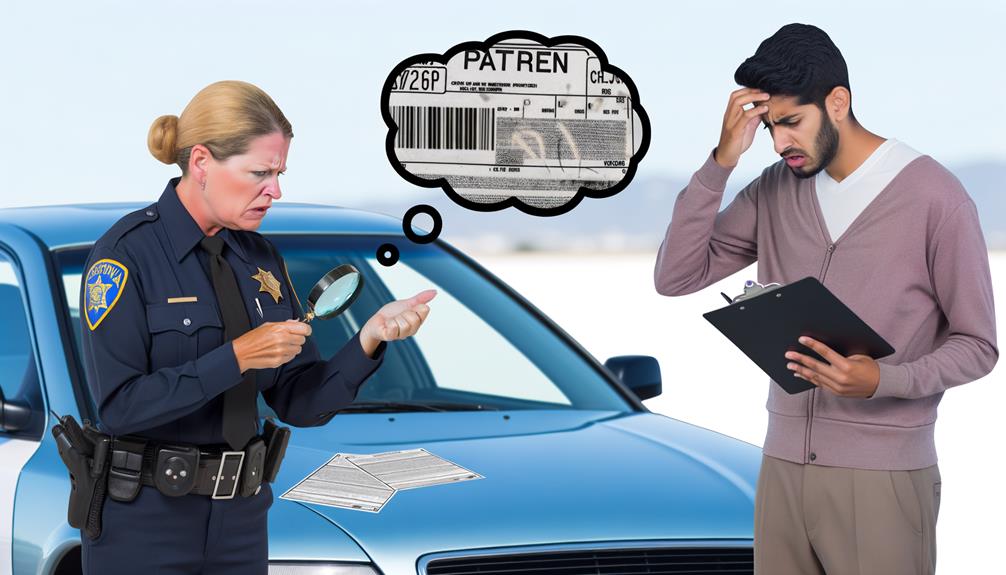
Understanding the consequences of purchasing a vehicle with a fake VIN is crucial, as it often leads to legal troubles and financial losses. If you're unlucky enough to buy a car with a counterfeit VIN, you might find yourself entangled in a legal mess.
Law enforcement could confiscate your new ride if it's discovered to be a stolen car relabeled with a fake VIN. Imagine the frustration of seeing your investment towed away, not to mention the possible charges you could face for possessing stolen property.
You'd likely be out of luck trying to get your money back, especially if you bought the car from a private seller. Dealers might offer refunds under state laws, but these protections don't typically cover private transactions. You're basically stuck with a huge loss, with no easy way to recoup your funds.
Moreover, the original owners of vehicles that have been cloned also suffer. They might face hurdles when selling their vehicles due to the title complications arising from the fake VIN.
Plus, vehicles with tampered VINs often hide serious mechanical issues, dumping unexpected repair costs on you. Always be vigilant; your freedom to enjoy your vehicle without unforeseen legal and financial burdens depends on it.
Protecting Against VIN Cloning
Always verify the vehicle title and ensure the VIN on the title matches the VIN displayed on the vehicle to guard against potential VIN cloning. This simple step is your first line of defense in maintaining your freedom to choose a legitimate and secure vehicle.
Next, don't overlook the importance of thoroughly checking all related paperwork. Cloned vehicles often come with forged documents, so scrutinize every detail for discrepancies. If the paperwork feels off, it probably is. You're not just buying a car; you're investing in your peace of mind.
Moreover, take the time to inspect multiple locations on the vehicle for the VIN. Check not only the dashboard and door frame but also look for hidden spots where the vehicle identification number (VIN) might be displayed. Consistency across these locations is crucial. If you spot any mismatch, it's a red flag.
Always be cautious of deals that seem too good to be true. Such offers can be tempting, but they often indicate that the vehicle might be cloned. Trust your instincts. If the seller's story seems suspicious or rushed, it's wise to step back and reassess. Protecting yourself from VIN cloning means staying vigilant and not cutting corners.
Identifying Related Scams
You should be aware of several common scams, such as curbstoning and title washing, which often involve fake VINs.
Curbstoning occurs when unlicensed dealers pretend to be private sellers, peddling cars with possibly altered VINs. This trick often disguises vehicles' problematic histories, so you're left with a car that might cause you endless headaches.
Title washing is another sneaky move. Here, scammers erase the salvage title of a damaged or stolen vehicle, making it appear flawless. This means you could unknowingly buy a car that's been in serious accidents or worse. Both scams severely restrict your freedom to choose a reliable, safe vehicle, binding you to potential legal and financial burdens.
Odometer fraud and misrepresentation of a vehicle's condition are also tied to these VIN manipulations. Sellers might tamper with odometer readings or exaggerate a car's value and condition, using a counterfeit VIN as part of their deceit.
To safeguard your interests, it's crucial you conduct in-depth research and verify every detail before making a purchase. This proactive approach will help you maintain your freedom to make informed, unrestricted choices in the used car market.
Additional Buyer Tips
To further protect yourself when purchasing a used vehicle, consider these additional buyer tips.
First, always request a vehicle history report using the VIN to unearth any discrepancies or alarming details like theft records or title issues. This report can be your best defense against buying a car with a shady past.
Second, dig into the vehicle's service records and previous ownership. These should align seamlessly with the VIN and its history. If you spot inconsistencies, they might be red flags signaling tampering or fraud. Don't hesitate to ask probing questions about the car's past; a genuine seller will appreciate your diligence.
Trust your gut. If the seller's narrative feels fabricated or they're pushing the sale too urgently, step back. It's your right to ensure the deal feels right. Remember, a rushed deal often spells trouble.
Lastly, have the car inspected by a trusted mechanic. They can spot issues that are often masked by a fake VIN tag. This is crucial as hidden problems can lead to major expenses or safety concerns down the line.
Decoding VIN Information
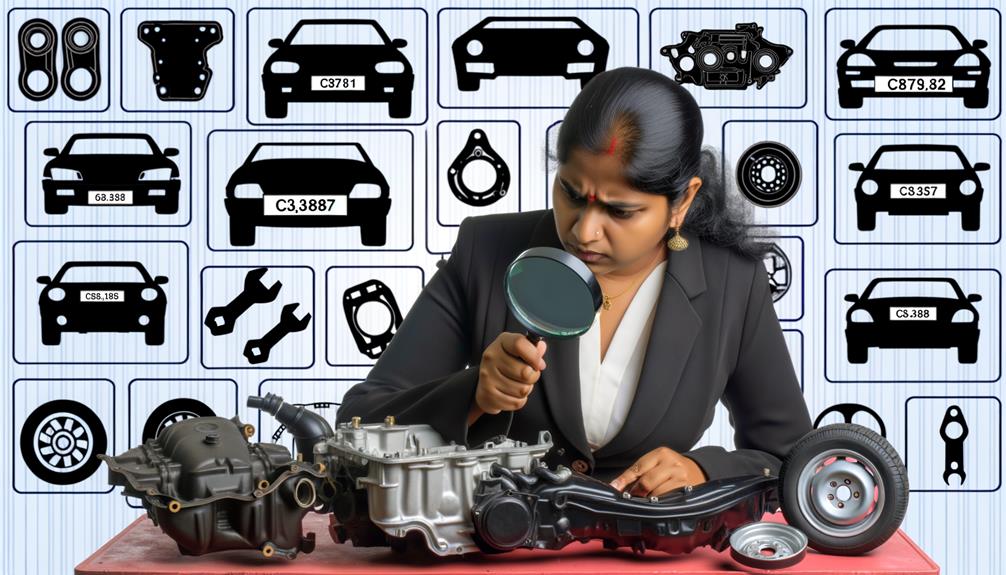
Understanding the structure of a Vehicle Identification Number (VIN) can help you identify key details about a vehicle's origin and authenticity.
Let's break it down: every VIN is unique to its vehicle, giving you the freedom to verify important information before you commit to a purchase or deal.
The first character of the VIN points to where the vehicle was assembled. For instance, codes like '1', '4', and '5' mean it was made in the U.S. This is crucial as vehicles from different regions might vary in quality and specifications.
The next two characters are equally important; they indicate the manufacturer. This lets you quickly determine if the brand aligns with the vehicle in question.
Pay special attention to the ninth character, the check digit. It's there to protect against fraudulent VIN alterations. If this digit doesn't match the calculated value, you're likely looking at a tampered vehicle.
Lastly, the tenth character reveals the model year. Knowing the code for each year can help you spot inconsistencies that might suggest a fake VIN.
Legal Implications of VIN Alteration
While decoding a VIN helps confirm a vehicle's authenticity, it's important to recognize that altering a VIN carries significant legal consequences. If you're tempted to tweak a VIN, think again. You're not just risking the vehicle's integrity; you're stepping into legal hot water.
In California, intentionally messing with a VIN is a serious offense. Under Vehicle Code 10750, if you're caught altering, defacing, or destroying a VIN, you could face up to a year in jail or be fined up to $1,000. It's not just a slap on the wrist; it's a misdemeanor that could mar your record and curtail your freedom.
But here's where it gets even more serious: if your intent in altering a VIN is to mislead—say, during a sale, transfer, or export of the vehicle—the stakes are even higher. This falls under Vehicle Code 10802, considered a wobbler offense. This means the court can charge you with either a misdemeanor or a felony, depending on the severity.
A felony charge can land you in jail for 16 months to 3 years and include fines up to $25,000. You're not just losing money; you're losing years of freedom.
Seeking Legal Assistance

If you're facing a VIN discrepancy or fraud, seeking legal assistance can clarify your options and protect your rights effectively.
Navigating the maze of regulations on your own isn't just daunting—it can also be restrictive. Engaging with a lawyer, especially one who specializes in vehicle law, ensures you're not only informed but also free from the unnecessary constraints of legal confusion.
For instance, understanding the implications of Vehicle Codes 10750 and 10802—regarding VIN alterations and misrepresentation—requires professional insight. An attorney can explain how these laws specifically affect your situation. You might think you're just facing a minor error, but the consequences could be more significant.
Turn to specialized legal groups like the Shouse Law Group, known for their expertise in handling VIN tampering charges. They'll provide the guidance you need to navigate this tricky terrain, ensuring you understand every step and every right.
Remember, it's essential to keep detailed records of all communications and findings concerning your vehicle's VIN. These documents are invaluable, supporting your claims and bolstering your case.
Lastly, don't overlook legal aid resources. They're there to assist you in managing VIN discrepancies, safeguarding your freedom to own and use your vehicle without legal entanglements.
Frequently Asked Questions
How to Verify a VIN Number in California?
To verify a VIN in California, check the dashboard's metal plate, ensure it matches the vehicle's documents, and cross-reference it with DMV records. Decode it online and inspect all vehicle VIN locations.
How to Spot a Fake VIN Number?
To spot a fake VIN, check for mismatched fonts, tampering signs, and verify it matches the vehicle's details using a VIN decoder. Ensure consistency across multiple locations on the car. Beware of pressured, quick sales.
How Do I Check if a VIN Is Legit?
To check if a VIN is legit, compare it against the vehicle's title and registration. Use a VIN decoder online, inspect for tampering signs, and verify through the DMV if you're still unsure.
How to Spot a Fake California Title?
To spot a fake California title, ensure the VIN matches the vehicle and check the title for watermarks, a professional appearance, and no tampering. Contact the DMV to validate authenticity and report issues.