Why VIN Verifiers Are Essential for Used Car Buyers in California
July 1, 2025
VIN Verification Process: Before, During, and After the Visit
July 1, 2025
When it comes to California DMV compliance, understanding VIN inspections is vital. You’ll need to gather specific documents and schedule your inspection at an authorized station. Confirming your vehicle meets emission standards is also essential. Missing any detail can complicate the process. So, what are the exact steps you need to take to avoid issues and guarantee a smooth inspection? Let’s break down the process and prepare you for success.
Understanding VIN Inspections: What You Need to Know
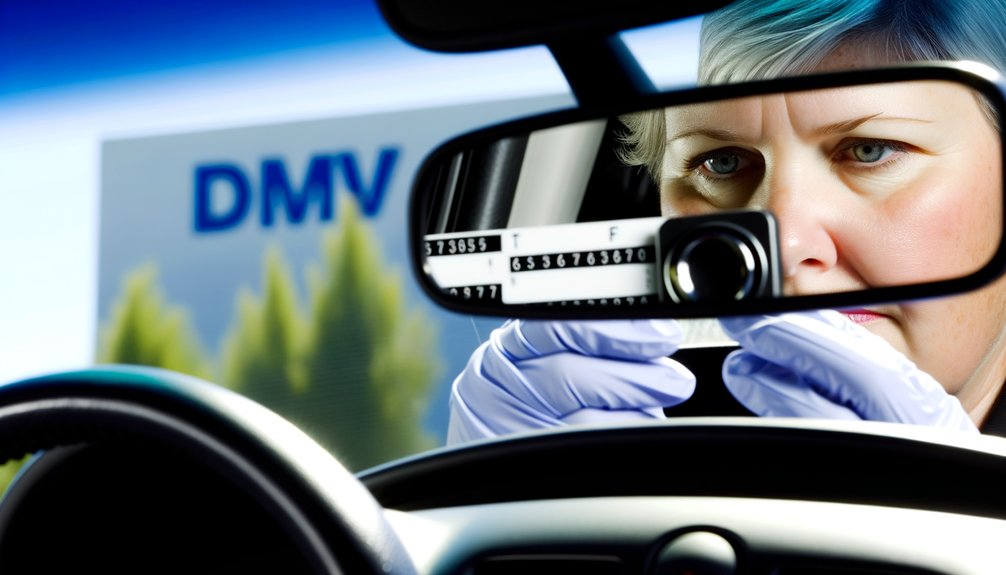
When you buy a vehicle, understanding VIN inspections is essential, as these checks confirm your car’s identity matches its paperwork. The Vehicle Identification Number (VIN) is a unique 17-character code that provides important information about your vehicle’s history. During a VIN inspection, a certified technician verifies the VIN against the documentation, confirming no discrepancies exist. This process helps prevent issues like title fraud or theft. Innovations in technology, such as digital VIN scanning tools, streamline inspections, providing real-time data for accuracy. Additionally, VIN inspections can reveal outstanding recalls or safety issues, enhancing your vehicle’s reliability. By prioritizing this inspection, you not only comply with DMV regulations but also protect your investment and maintain peace of mind on the road. Moreover, this verification is particularly crucial when registering out-of-state vehicles, ensuring all necessary documentation is in order.
Steps to Schedule Your VIN Inspection
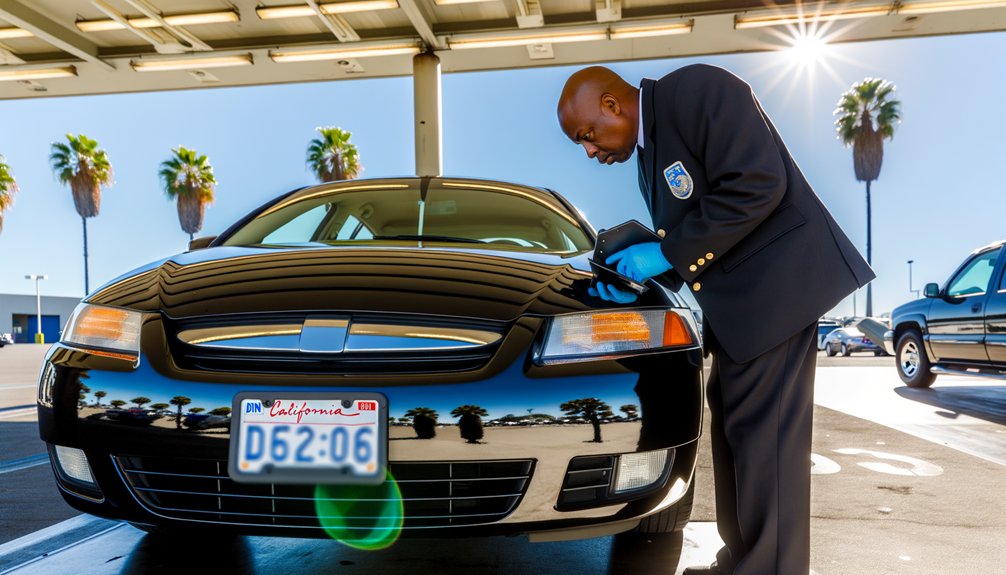
To guarantee your vehicle meets DMV requirements, scheduling a VIN inspection is a straightforward process. Start by locating an authorized inspection station convenient to you. Check their availability online or via phone to find an appointment that suits your schedule.
Next, confirm the inspection fee and any specific requirements. Arrive on time with your vehicle and be prepared for a thorough examination. Remember that the inspection will involve verifying the VIN location on your vehicle to ensure compliance.
Here’s a quick reference table to help you navigate the scheduling process:
| Step | Action |
|---|---|
| 1. Locate Station | Search for authorized locations |
| 2. Check Availability | Call or visit the website |
| 3. Confirm Fee | Inquire about the inspection cost |
| 4. Arrive Prepared | Bring your vehicle on the date |
Following these steps guarantees a smooth VIN inspection experience.
Required Documentation for VIN Compliance
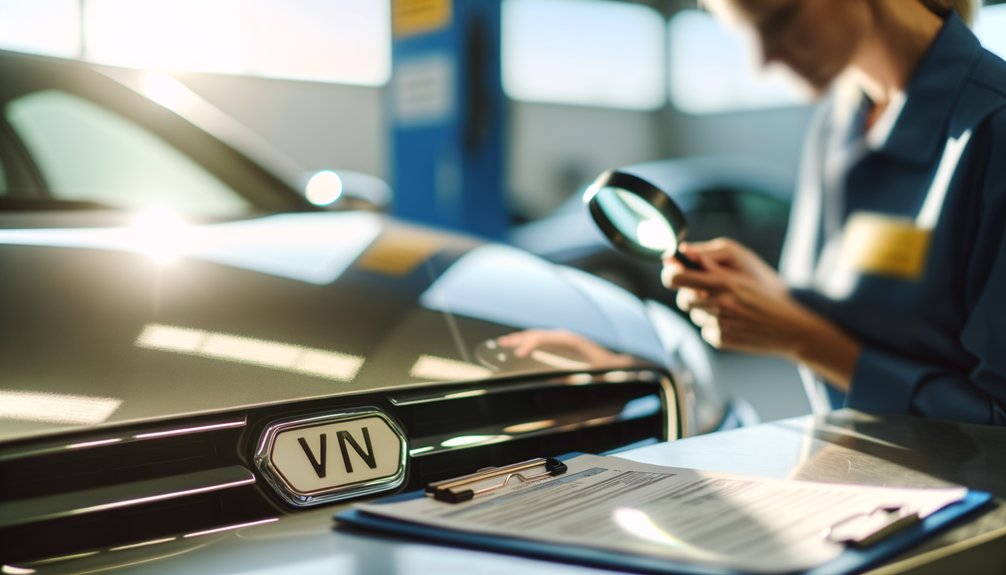
Having your VIN inspection scheduled is just the beginning; you also need to gather the required documentation to guarantee compliance. First, make sure you have your vehicle title, as it verifies ownership. Next, bring a valid driver’s license or state-issued ID, which confirms your identity during the inspection. If applicable, include any previous registration documents to streamline the process. You may also need proof of insurance to demonstrate that your vehicle is covered. Finally, prepare any receipts or bills of sale related to the vehicle, especially if it’s newly purchased. Collecting these documents in advance not only expedites the inspection but also minimizes the risk of non-compliance with DMV regulations. Additionally, be aware that vehicles must have at least 7,600 miles if they lack a California emissions label. Stay organized, and you’re on your way to a successful VIN inspection.
Common Issues and How to Resolve Them
While preparing for your VIN inspection, you might encounter common issues that could hinder the process. One frequent problem is an inaccurate or incomplete VIN on your documents. Double-check your paperwork against the vehicle’s physical VIN to guarantee consistency. Another issue could arise if modifications obscure the VIN, making it unreadable. If that’s the case, consider scheduling a professional removal of obstructions. Additionally, discrepancies between registration documents and the vehicle’s condition can cause delays. To resolve this, gather all related documents showing modifications or repairs. Finally, be aware that appointment availability may vary; booking in advance can help avoid unexpected wait times. Addressing these issues proactively will facilitate a smoother VIN inspection process. Furthermore, ensure that the vehicle meets California emission standards to avoid complications during the inspection.
Tips for a Smooth VIN Inspection Experience
Guaranteeing a smooth VIN inspection experience requires careful preparation and attention to detail. By following these tips, you’ll minimize stress and guarantee compliance:
- Gather required documents: Have your title, registration, and proof of insurance ready.
- Clean your vehicle: A tidy exterior allows easier access to VIN locations, making the inspection process efficient.
- Schedule an appointment: This reduces wait times and guarantees you receive focused attention from the inspector.
Approaching the inspection with this level of readiness not only streamlines the process but also showcases your commitment to compliance. Embrace these steps to enhance your experience and foster a sense of confidence in your vehicle’s legitimacy.
Frequently Asked Questions
How Long Does a VIN Inspection Typically Take?
A VIN inspection typically takes about 15 to 30 minutes. You’ll need to gather necessary documents and make sure the vehicle is accessible. Scheduling an appointment can also streamline the process, minimizing wait times considerably.
Can I Get a VIN Inspection Outside California?
You can’t get a California VIN inspection outside the state. Inspections must occur at designated facilities within California. To guarantee compliance, schedule your inspection locally to meet the DMV’s requirements effectively and efficiently.
Are VIN Inspections Required for Antique Vehicles?
Yes, VIN inspections are often required for antique vehicles, especially when registering or transferring ownership. You should check your local regulations, as requirements can vary considerably between states and jurisdictions, impacting your vehicle’s compliance status.
What Happens if My VIN Is Unreadable?
If your VIN’s unreadable, you’ll face registration challenges. You must request a new VIN from the DMV, possibly undergoing an inspection to verify your vehicle’s identity, ensuring compliance with state regulations and maintaining ownership integrity.
Is There a Fee for VIN Inspections?
Yes, there’s typically a fee for VIN inspections, which varies by location. You’ll want to check with your local DMV or authorized inspection station to confirm the exact cost before scheduling your appointment.