The Legal Aspects of VIN Verification in California
August 7, 2024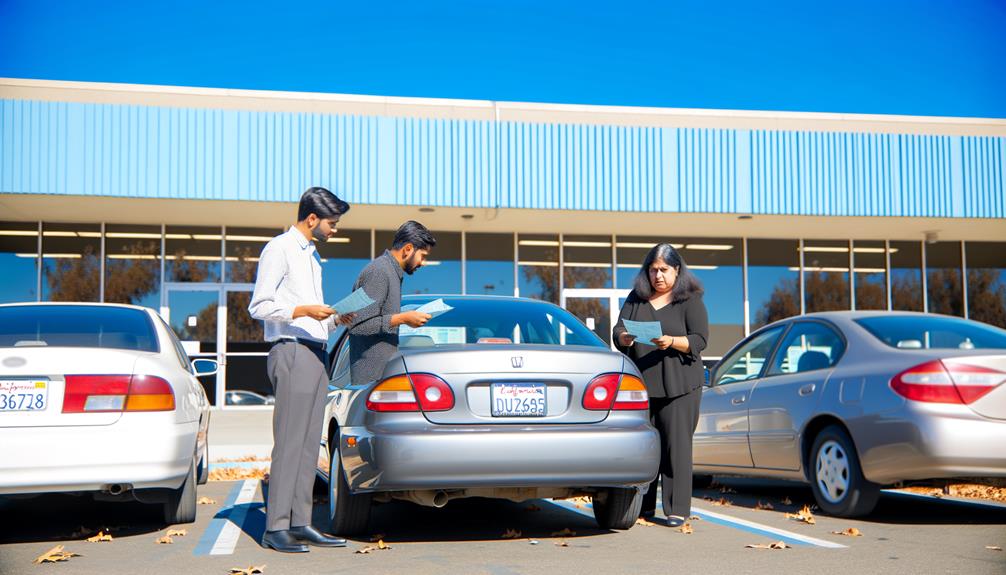
VIN Verification for Out-of-State Vehicles: What Californians Need to Know
August 7, 2024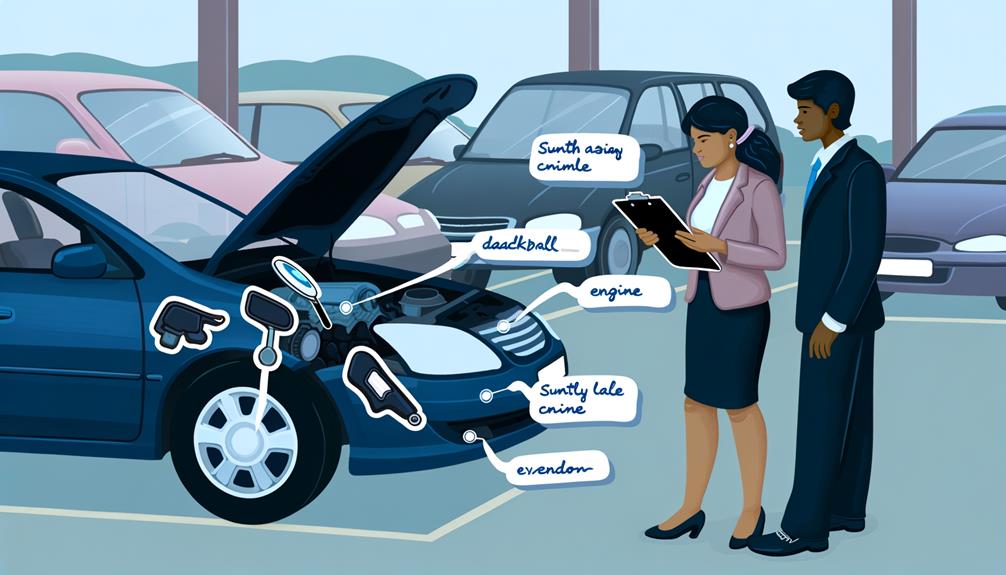
When you're in the market for a used car, VIN verification is your first line of defense against purchasing a lemon. By checking the Vehicle Identification Number, you ensure the car hasn't been involved in serious accidents, doesn't have tampered mileage, or worse, isn't stolen. Sellers also gain an edge by providing this verification, boosting buyer confidence and facilitating smoother transactions. But how reliable is VIN verification? And what should you watch out for to ensure the information you're getting paints the full picture of the vehicle's history? Let's explore some critical insights that could make all the difference in your next automotive transaction.
Understanding VIN Verification
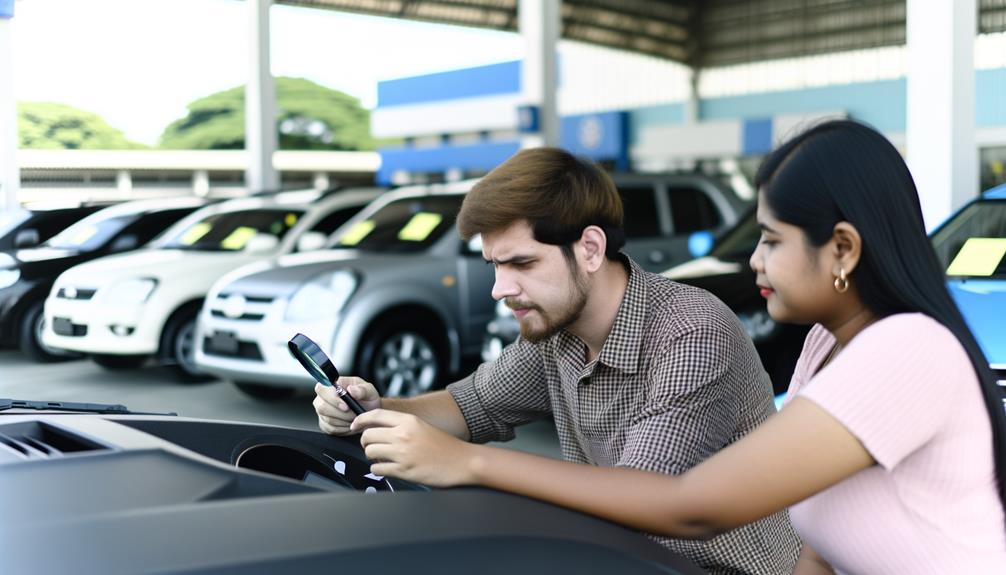
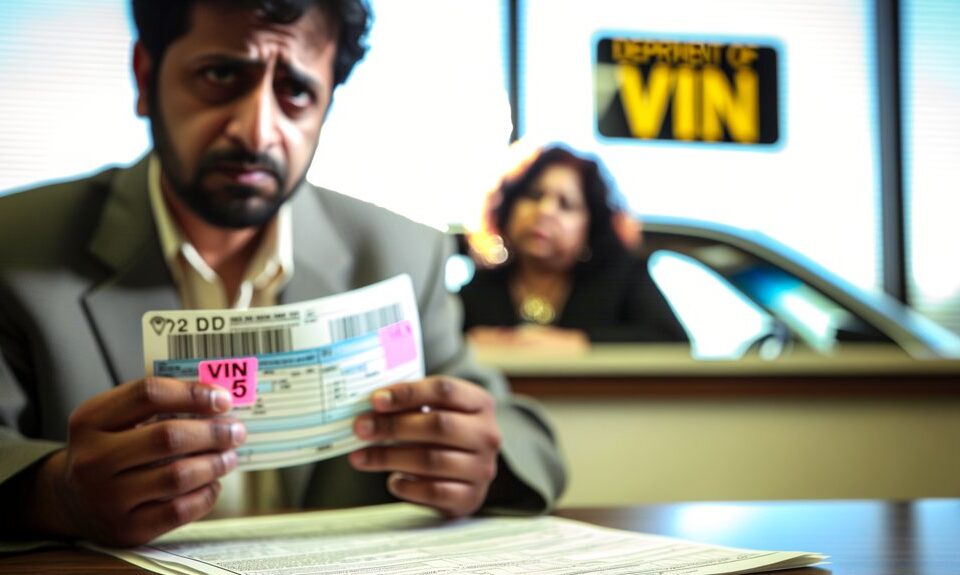
VIN verification is crucial as it ensures the car you're considering is legitimate and hasn't been involved in any illegal activities. When you're eyeing a used vehicle in California, this step is non-negotiable. It's your ticket to freedom on the road, without the chains of uncertainty and risk of fraudulent sales.
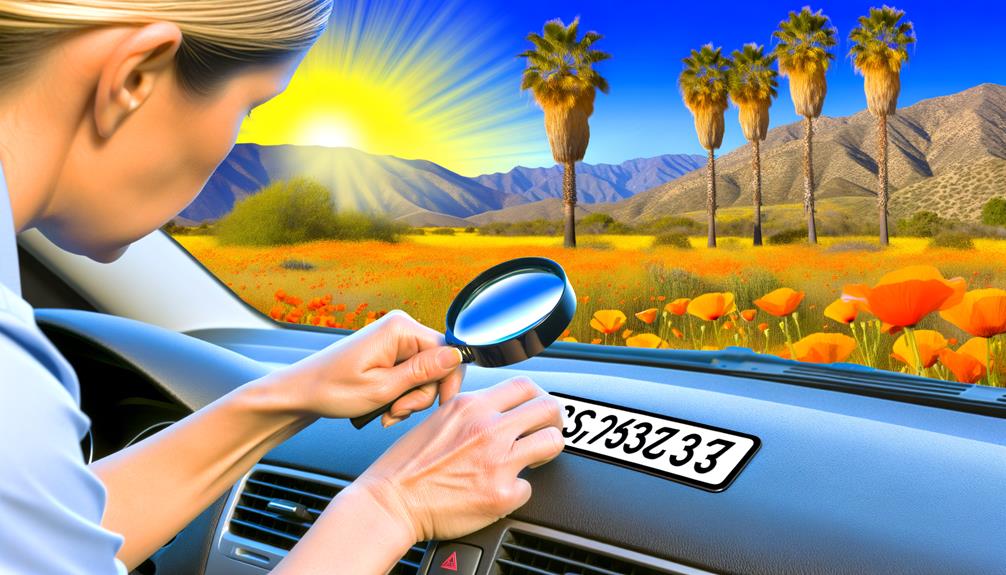
The process involves a physical inspection to match the VIN on the vehicle to the one on the title. This is more than just paperwork; it's about confirming your car's identity and securing a clear title. Without this verification, you can't transfer the title or complete the registration, essential steps that affirm your ownership and right to drive.
Imagine buying a car that seems perfect, only to find out it's been marked in the vehicle history report for being unsafe or, worse, illegal. VIN verification protects you from such nightmares, ensuring the vehicle's history is transparent and you're not buying into hidden problems.
It bolsters vehicle safety, giving you peace of mind that your car meets road standards and isn't a patched-up wreck. Always ensure this crucial check is done; it's your safeguard against the chaos of the used car market.
Importance of VIN Verification
Why should you consider VIN verification a critical step when purchasing a used car?
Firstly, it's your safeguard against buying a lemon—a vehicle that could be hiding a troubled past. With VIN verification, you're not just buying a car; you're securing peace of mind. It ensures the vehicle's title is authentic, which protects you from fraudulent sales and potential legal hassles.
This process is more than just a formality; it's a crucial check that the car hasn't been reported stolen or isn't weighed down by undisclosed histories like major accidents. Think of it as your freedom from future troubles. Without this verification, you might end up with a car that's more of a burden than a benefit, possibly facing hefty financial losses.
In states like California, this step isn't just advisable; it's mandatory. The Department of Motor Vehicles requires VIN verification for registering your used car, emphasizing its role in maintaining lawful ownership.
It's not only about fulfilling legal requirements but also about ensuring that both buyer and seller engage in a transparent transaction. Skipping this step could leave you dealing with smog checks, transfer fees, and insurance complications that you never bargained for.
VIN Verification Process Steps
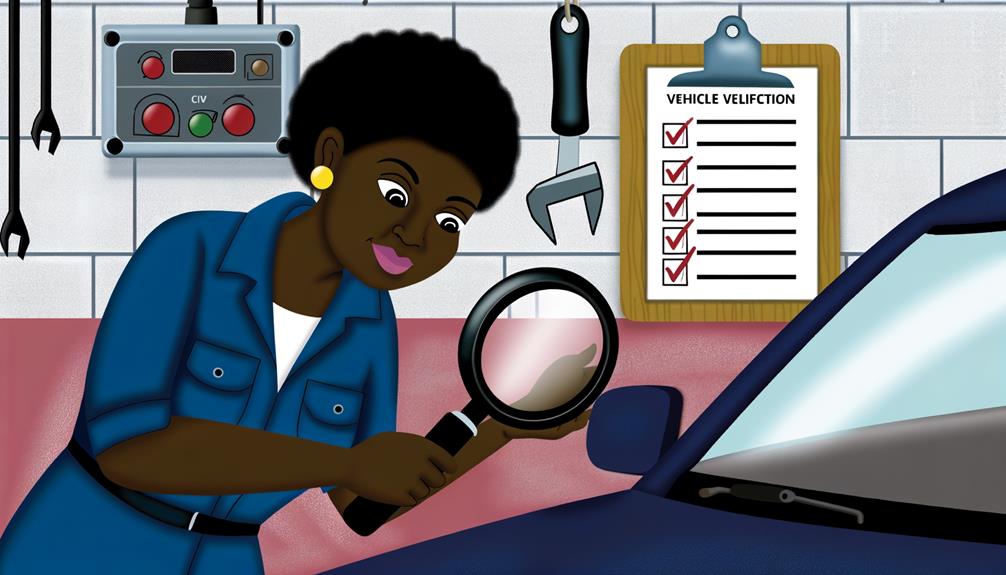
Let's walk through the steps you'll take to verify the VIN when purchasing a used car.
First, you'll need to gather the vehicle's essential info: make, model, year, and the unique 17-digit VIN code. This is your first gate to ensuring the vehicle's legitimacy and your freedom in vehicle ownership.
Next, you're off to a physical vehicle inspection. Here, you'll check that the VIN on the vehicle matches the one on the Certificate of Title. It's a crucial step to make sure there's been no tampering or discrepancies that could affect your ownership.
Then, it's time for the VIN to be verified against official databases. This part of the verification process ensures the vehicle history is clear of theft, severe accidents, or a salvage status. You're not just buying a car; you're ensuring it's a wise investment.
Locations for VIN Verification
You have several options for VIN verification, ranging from local DMV offices to private inspection companies.
When it comes to ensuring the legitimacy of a used car, the Department of Motor Vehicles (DMV) is a reliable starting point. The DMV not only gives you access to comprehensive databases for vehicle history but also confirms the authenticity of the vehicle title.
If you're looking for more specialized services, certified VIN verification centers are your go-to. These centers are equipped with trained personnel and the latest technology to provide accurate assessments, ensuring the vehicle's history and title are legitimate.
For a more thorough insight, you might consider private inspection companies. These entities delve deep, offering detailed reports that cover every aspect of the vehicle's condition and history.
For added convenience, local smog test centers and automotive shops might also offer VIN verification services. This option allows you to check the vehicle's compliance with emission standards while verifying its identity, all in one visit.
This multi-purpose approach not only saves you time but also ensures that your future investment is sound and secure. Whether you're buying or selling, knowing the right places for VIN verification can set you free from future hassles.
Best Practices and Recommendations
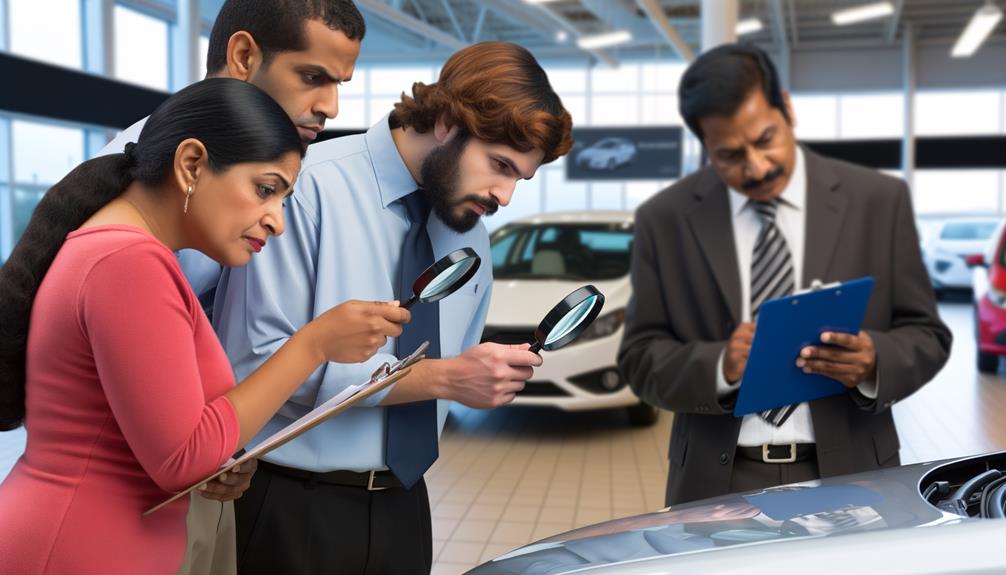
To ensure a secure transaction when buying or selling a used car, it's essential you conduct a thorough VIN verification. This step confirms the car's history isn't marred with legal entanglements or hidden disasters. You'll steer clear of buying a lemon or, worse, a stolen vehicle that could drag you into serious trouble.
When you're in the market for a used car, head to certified VIN verification centers or utilize DMV services. These places guarantee that the vehicle history report you get is accurate. Remember, the right documentation during this process isn't just paperwork; it's your shield against future headaches.
If you're selling, providing a valid VIN verification certificate isn't just courteous—it builds trust. This transparency not only speeds up the selling process but also puts potential buyers at ease, enhancing your chances of a successful deal.
Keep all related documentation organized and readily accessible. Whether you're buying or selling, this preparedness ensures the transaction flows smoothly and shields you from potential disputes. It's also crucial in securing good insurance rates, as insurers value well-documented, transparent histories.
Embrace these practices to maintain freedom from worry in your automotive transactions.
Frequently Asked Questions
Why Do People Want the VIN Number When Selling a Car?
You'd want the VIN when selling your car because it proves it's legit, eases the transfer, and shows you're transparent, boosting buyer trust and smoothing out the sale process.
Why Do Car Dealers Want Your VIN Number?
Car dealers want your VIN to access vehicle history, ensuring they're selling you a car that's legit and up to standard, which helps you avoid buying a problematic or overpriced vehicle.
Why Is the VIN an Important Component When Buying a Used Car?
When buying a used car, the VIN is crucial as it unlocks the vehicle's history, confirming its legitimacy and safeguarding you from hidden damages, ensuring you're making a safe and informed purchase.
Is It Safe to Give a Potential Buyer Your VIN Number?
Yes, it's safe to give your VIN to a potential buyer. It lets them check the car's history for accidents or theft, ensuring transparency and trust in the transaction without risking your privacy.