Understanding VIN Verification: Why It’s Essential for California Vehicle Owners
August 7, 2024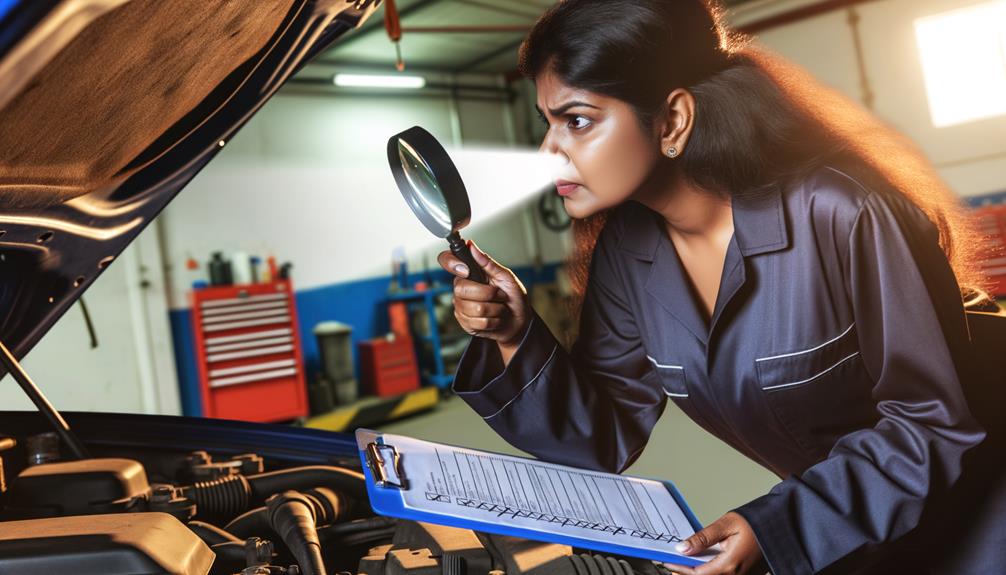
Top Common Issues Found During VIN Verification and How to Avoid Them
August 7, 2024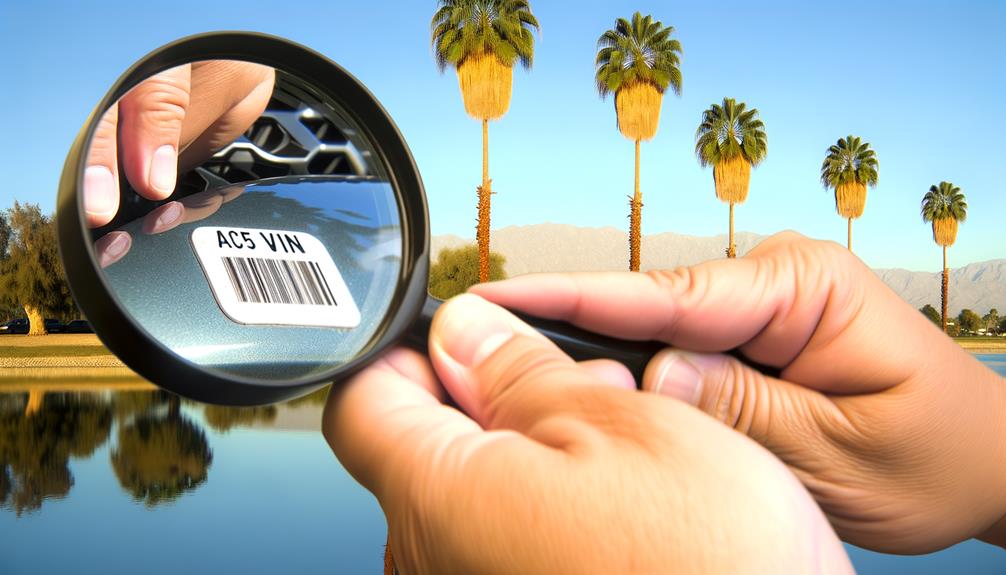
Navigating the VIN verification process in Riverside, California can seem daunting at first, but you're not alone in this. You'll need to start by gathering the necessary documents like your vehicle's out-of-state title and registration card. But what's next? Choosing where to complete your verification—whether through a licensed verifier, the California Highway Patrol (CHP), or directly at the DMV—can significantly affect your experience. Each option has its nuances, which could make a difference in how smoothly the process goes for you. As you consider your choices, you might wonder, what are the specific advantages or potential pitfalls of each?
Understanding VIN Verification

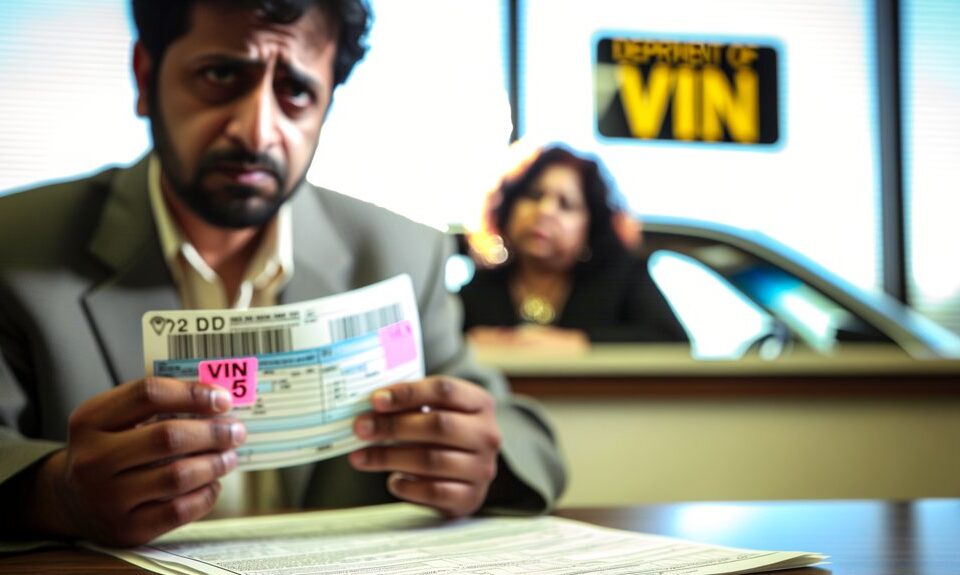
To register your vehicle in California, you must first complete a VIN verification to confirm the vehicle's existence and ensure the Vehicle Identification Number matches the title. This isn't just about jumping through hoops; it's about safeguarding your freedom to drive without legal hassles. Imagine cruising down the open roads, confident that your vehicle's identity is secured and undisputed.
VIN verification involves a physical inspection carried out by authorized personnel such as DMV employees, licensed VIN verifiers, or officers from the California Highway Patrol (CHP). During the inspection, these professionals will check that the vehicle identification number on your car matches the details on your REG 31 form and in the official records. This step is crucial, especially if you're bringing a vehicle from out of state, have recently purchased a new ride, or are resolving issues like lien releases.
Your vehicle's VIN is a unique 17-character code that tells a story—where it was made, its model, and the year it rolled off the assembly line. Ensuring this code matches your documentation is key to a smooth registration process with the DMV, keeping your journey towards freedom on track without any unwelcome stops.
Preparing for Inspection
Before your VIN verification appointment, ensure you've gathered all necessary documents, including the out-of-state title and registration card. These will be crucial for a smooth verification process. Additionally, complete the REG 31 form beforehand. This document is essential for the inspection and should accurately capture your vehicle's details.
It's vital to make your vehicle as accessible as possible. A clean car allows the verifier to easily locate and read the vehicle identification number (VIN) without obstacles. Ensure that the VIN is clearly visible and not tampered with; altered or damaged VINs can cause major hitches in the process.
Next, schedule your appointment with a licensed VIN verifier or directly through the DMV. Opting for a licensed verifier or a DMV appointment ensures that your inspection adheres to the standards set by the California Department of Motor Vehicles. This step isn't just about legality but ensuring your freedom to drive without future legal hassles.
Choosing a Verification Service
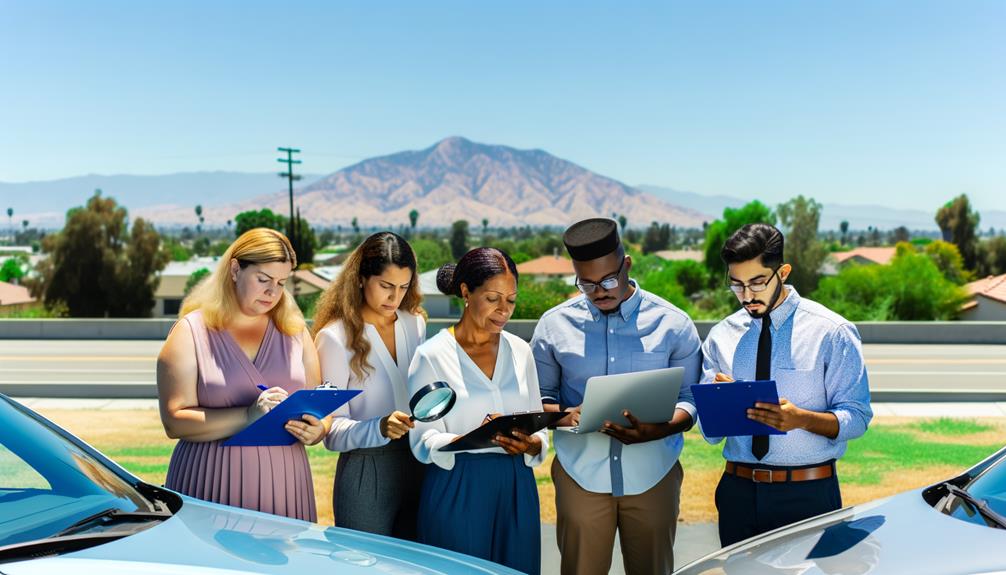
After preparing your documents and vehicle for inspection, selecting the right VIN verification service in Riverside is your next step. You've got plenty of options to tailor this experience to your needs, ensuring freedom from unnecessary hassle and long wait times.
If you value convenience and flexibility, consider using a mobile VIN service like Quick VIN Verification, which brings the registration service directly to you for a flat rate. It's perfect if you're juggling a busy schedule or prefer the comfort of your own space for vehicle verification.
For those requiring a deeper level of scrutiny, such as with salvage or junked cars, the CHP conducts thorough inspections. Remember, though, that CHP VIN verification might involve referrals and is generally more in-depth compared to other services.
Alternatively, the DMV offers no-cost VIN verifications. However, be prepared for potentially long wait times and ensure your paperwork is meticulously organized to streamline the process. If you're a member of AAA, they also provide VIN verification, minus the mobile option.
Your choice should align with your verification needs and lifestyle. Licensed vehicle verifiers across Riverside can offer you the identification services necessary, ensuring you're on the road legally and efficiently.
Completing the Verification Process
Gathering your essential documents is the first step in completing the VIN verification process in Riverside, California. You'll need your out-of-state title, registration card, and any smog certification if applicable. This prep sets you up to breeze through the next stages with ease.
Next, you'll need to schedule an appointment. Choose between a DMV, a licensed verifier, or the CHP to conduct your VIN verification. Remember, the whole inspection won't eat up much of your day – it's typically a swift 15 to 30-minute check per vehicle.
At your appointment, the verifier will inspect your vehicle and fill out the REG 31 form. This form captures all the vital details: the VIN, make, model, year, and other essential specs of your vehicle. It's crucial that your vehicle is there for the inspection; this is to ensure the VIN matches your paperwork and complies with California's registration standards.
Once the inspection wraps up and your REG 31 form is stamped and signed, hang onto that document. It's your golden ticket to smoothly navigate through the DMV's registration process, putting you one step closer to freely cruising the California roads.
After Verification: Next Steps
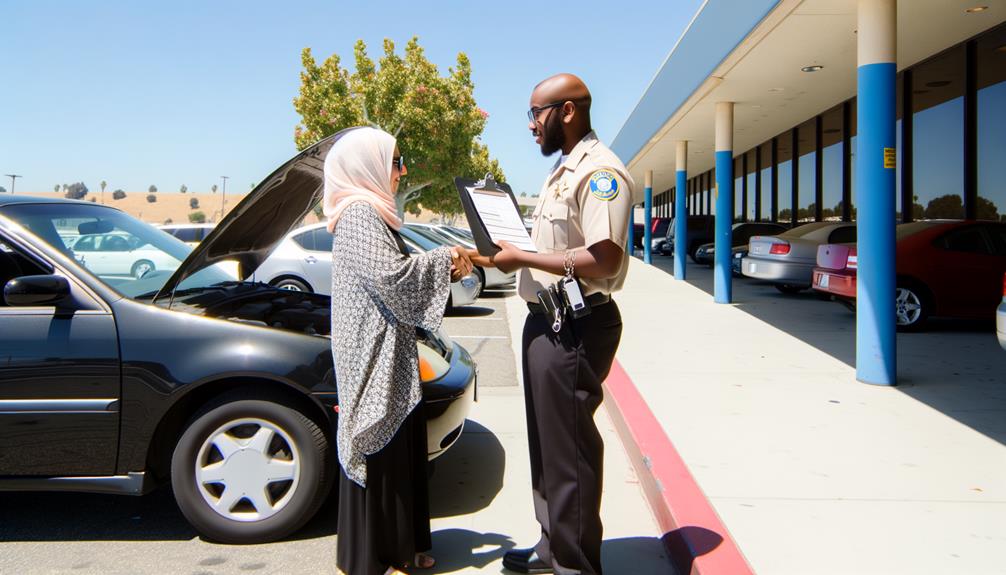
Once your VIN verification is complete, it's time to prepare for your DMV appointment to finalize the registration of your vehicle.
Ensure you've got the REG 31 form, properly filled out and signed by a licensed verifier or CHP officer. This is your golden ticket into the DMV system, ensuring a smoother process.
Gather all necessary supporting documents. You'll need your out-of-state title and registration card, plus a smog certification if required. These documents are crucial; they're the backbone of your application, proving ownership and compliance.
If you're registering a salvage vehicle, brace yourself for the registration fees. It's a necessary step to fully integrate your vehicle into California's system. Make sure your wallet is ready for this part of your journey.
Schedule your DMV appointment. This isn't just a formality—it's a significant stride towards independence. Organize your paperwork meticulously. Having your completed form and all documents in order grants you peace of mind and a sense of control.
Lastly, keep copies of the completed REG 31 form and all supporting documents. They're not just paper; they're proof of your vehicle's identity and your diligence. Ready for the road ahead, you're all set for freedom.
Frequently Asked Questions
How to Get a VIN Verification in California?
You'll need to schedule an appointment with a DMV worker, a licensed verifier, or a CHP officer. Bring your vehicle's paperwork and be ready for a 15-30 minute inspection. Fees may apply.
What Does CHP Check for VIN Verification?
For VIN verification, CHP checks for tampering, VIN swapping, and authenticity, focusing on salvage vehicles and those missing key identification labels. They ensure every vehicle's compliance with state regulations to prevent theft.
How to Get Reg 31 Completed?
To get your REG 31 form completed, schedule a VIN verification with an authorized verifier and bring all necessary documents. They'll inspect and document key vehicle details on the form for you.
Who Is a Licensed Vehicle Verifier?
A licensed vehicle verifier is someone you'd contact to ensure your vehicle's VIN matches official records, crucial for preventing fraud and theft. They're authorized by the California DMV and follow strict state regulations.