How to Choose the Right VIN Verifier for Your Vehicle
June 30, 2025
What Your VIN Verifier Looks For During an Inspection
June 30, 2025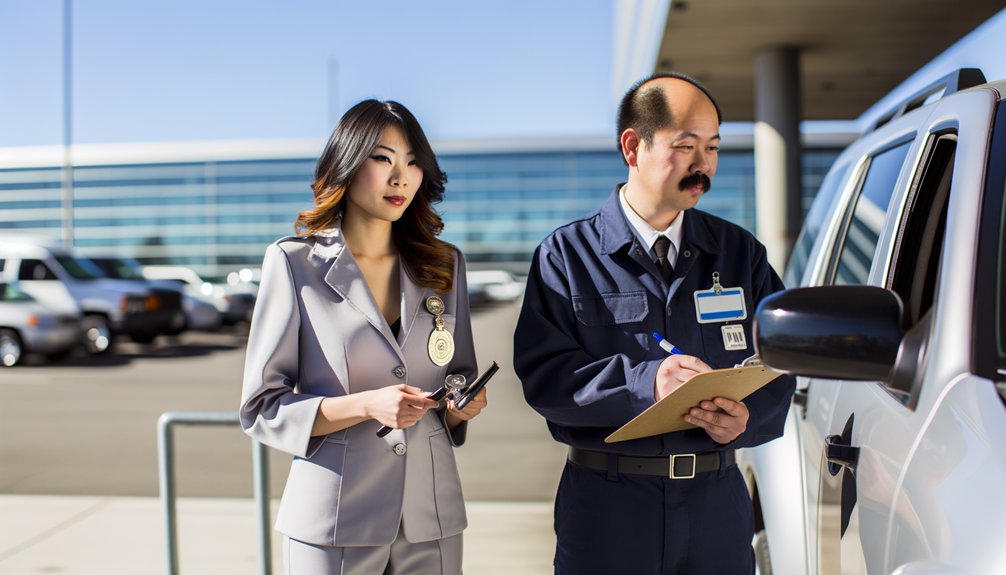
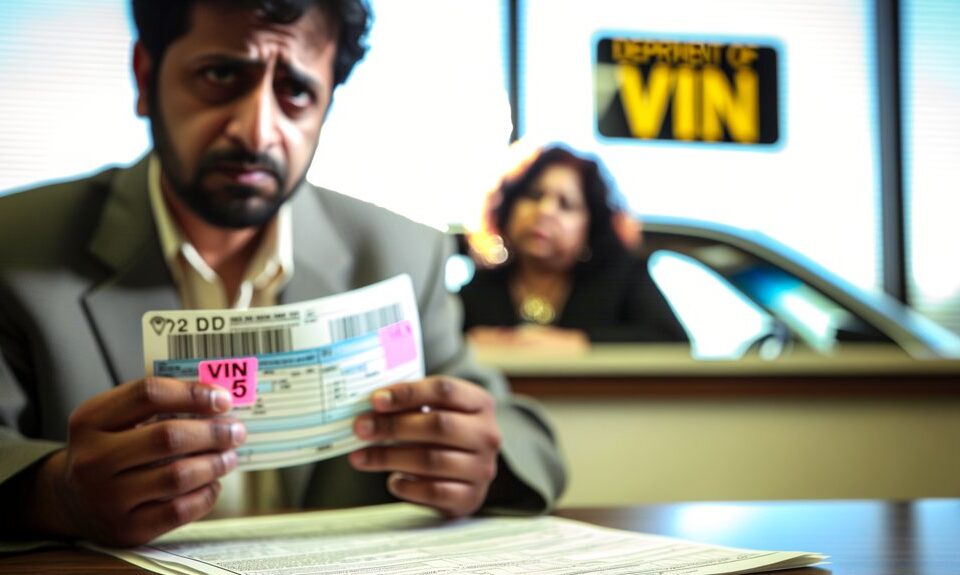
When dealing with vehicle registration, understanding the roles of a DMV agent and a VIN verifier is vital. DMV agents handle administrative tasks like processing licenses and registrations, while VIN verifiers focus on inspecting vehicle identification numbers to combat fraud. Knowing when to contact each can save you time and guarantee compliance. But what specific functions set these two positions apart? Let’s explore their distinct responsibilities and why they matter in the vehicle ownership process.
Roles and Responsibilities of a DMV Agent
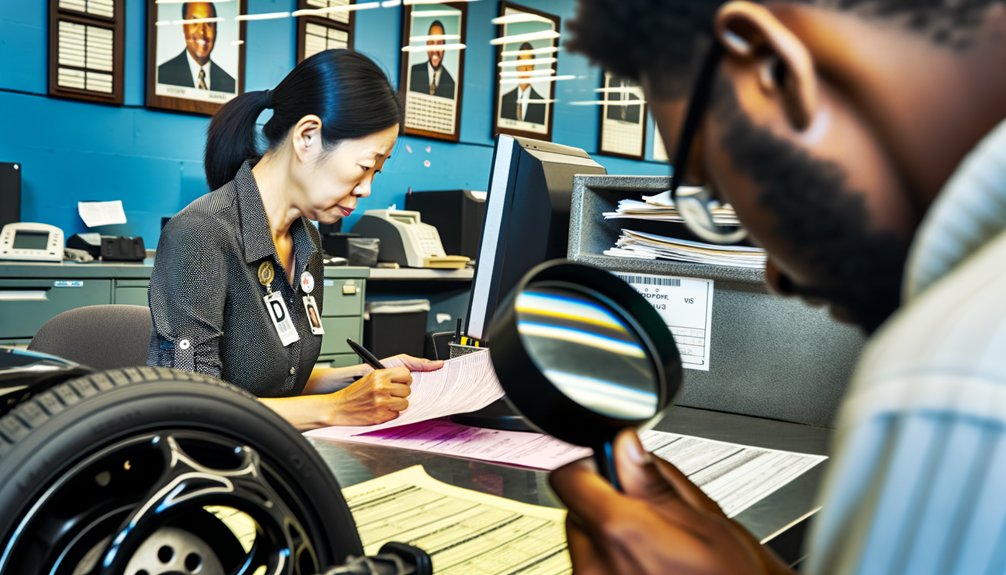
A DMV agent plays an essential role in facilitating various vehicle registration and licensing processes. You’ll find that these agents manage applications for driver’s licenses, vehicle titles, and registrations. They verify documents, ensuring compliance with state regulations, and maintain accurate records. Agents also assist in processing payments and issuing permits.
In addition, they provide guidance on state laws and procedures, helping customers navigate the sometimes complex landscape of vehicle ownership. By leveraging technology, DMV agents streamline operations, enhancing customer experience through efficient service delivery. They’re often the frontline representatives of the DMV, addressing inquiries and resolving issues, ensuring that all transactions align with legal standards. Ultimately, a DMV agent’s effectiveness directly impacts the efficiency of vehicle-related services. Furthermore, they are knowledgeable about smog testing requirements, which are crucial for vehicle registration in California.
Functions and Duties of a VIN Verifier
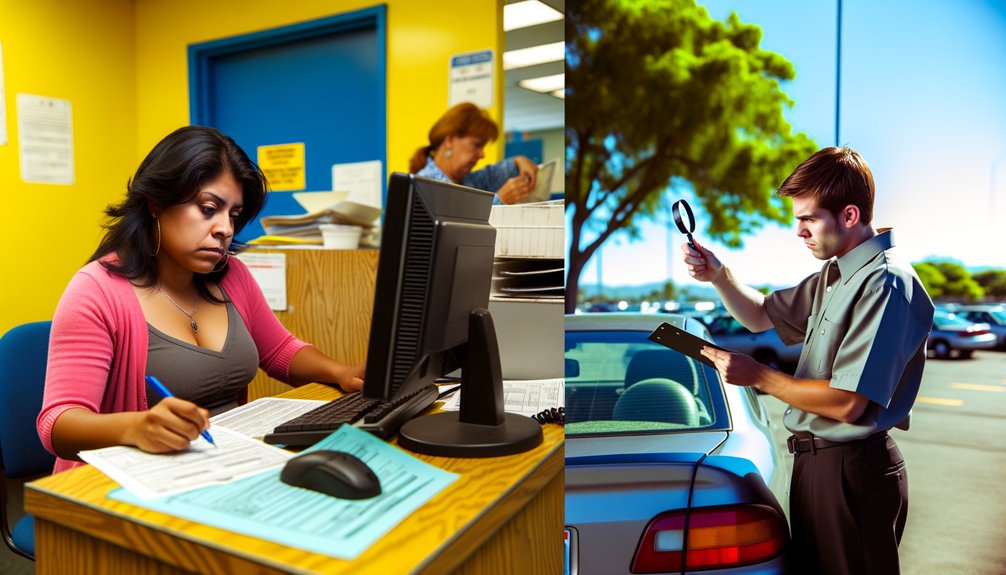
Verifying a Vehicle Identification Number (VIN) is an essential task that guarantees accuracy in vehicle records and ownership. As a VIN verifier, you play a vital role in ensuring the integrity of automotive data. Your primary functions and duties include:
- Conducting in-person VIN inspections for authenticity
- Comparing VINs against databases to check for discrepancies
- Documenting findings and reporting any irregularities
- Assisting in the identification of stolen vehicles
- Ensuring compliance with state regulations regarding vehicle registration
- Understanding the VIN verification process is crucial for effective inspections and accurate documentation.
Key Differences Between DMV Agents and VIN Verifiers
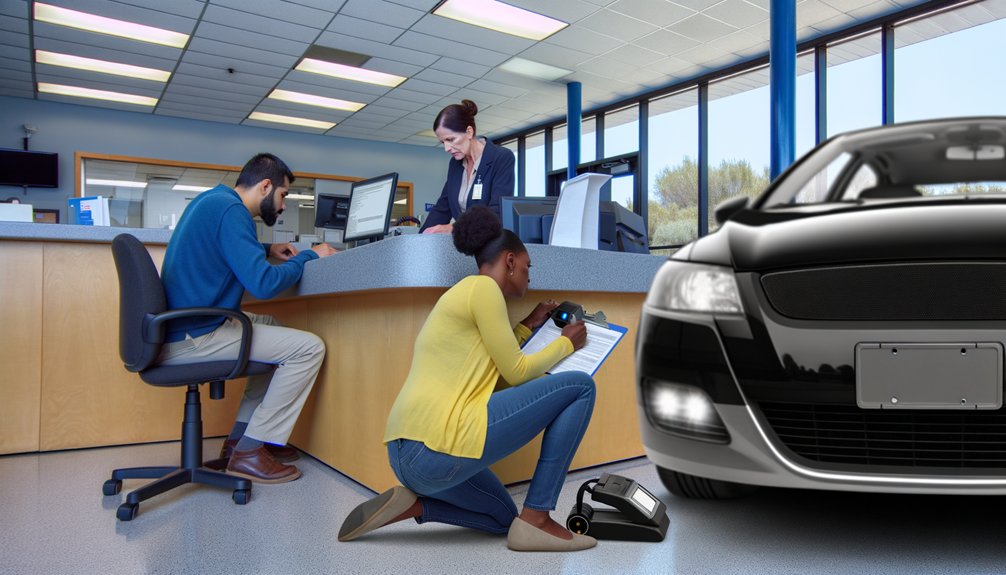
While both DMV agents and VIN verifiers focus on vehicle documentation, their roles and responsibilities differ markedly. DMV agents primarily handle a range of administrative tasks related to vehicle registration, title transfers, and issuing driver’s licenses. They serve as a bridge between the public and governmental regulations, ensuring compliance with state laws.
On the other hand, VIN verifiers specialize in inspecting and confirming the vehicle identification number for authenticity. Their main task is to prevent fraud by validating the VIN against official records. While DMV agents offer a broad spectrum of services, VIN verifiers concentrate on a specific aspect of vehicle verification. Understanding these differences can streamline your interactions with either professional, ensuring you receive the right assistance for your needs. VIN verifiers must adhere to strict California Vehicle Code regulations to maintain compliance and legitimacy in their services.
When to Contact a DMV Agent vs. a VIN Verifier
Knowing when to reach out to a DMV agent or a VIN verifier can save you time and guarantee you get the right help. Here’s a quick guide:
- Contact a DMV Agent if you need:
- Help with vehicle registration or title transfers
- Information about license requirements
- Assistance with fines or fees
- Details on state-specific vehicle laws
- Guidance on documentation needed for transactions
- Reach out to a VIN Verifier when you require:
- Verification of a vehicle’s identification number
- Confirmation for out-of-state vehicles before registration
- Assistance with salvage or rebuilt vehicles
- Help with compliance for specialty vehicles
- Support for personal inspections or appraisals
Additionally, a VIN verifier may assist with ensuring your vehicle meets California emission standards, which is crucial for registration in the state.
Understanding these distinctions guarantees efficient resolution of your vehicle-related concerns.
The Importance of Each Role in Vehicle Compliance
Understanding the importance of both DMV agents and VIN verifiers is essential for maintaining vehicle compliance. Each role plays a critical part in ensuring that your vehicle adheres to regulations, ultimately protecting your investment and safety on the road.
| Role | Importance |
|---|---|
| DMV Agent | Facilitates registration and title transfers, ensuring legal compliance. |
| VIN Verifier | Confirms vehicle identity, preventing fraud and theft. |
Frequently Asked Questions
Can a DMV Agent Assist With Vehicle Registration Issues?
Yes, a DMV agent can definitely assist you with vehicle registration issues. They provide guidance on necessary documents, help you complete forms, and guarantee you meet all requirements for a smooth registration process.
Do VIN Verifiers Handle Stolen Vehicle Reports?
VIN verifiers don’t handle stolen vehicle reports; their focus is on confirming a vehicle’s identity and legitimacy. For stolen vehicle issues, you should contact law enforcement or your local DMV for assistance.
Are DMV Agents Available on Weekends?
DMV agents usually aren’t available on weekends. Their standard hours are Monday through Friday, so if you need assistance, plan your visit during those days to guarantee you get the help you need.
How Long Does a VIN Verification Take?
A VIN verification usually takes about 15 to 30 minutes, depending on the complexity and number of vehicles involved. Make sure you have all necessary documents ready to streamline the process and minimize waiting time.
Can I Schedule an Appointment With a DMV Agent Online?
Yes, you can schedule an appointment with a DMV agent online. Visit your local DMV’s website, select the appointment option, and follow the prompts to secure a time that fits your schedule.