How VIN Verification Affects Car Insurance in California
August 8, 2024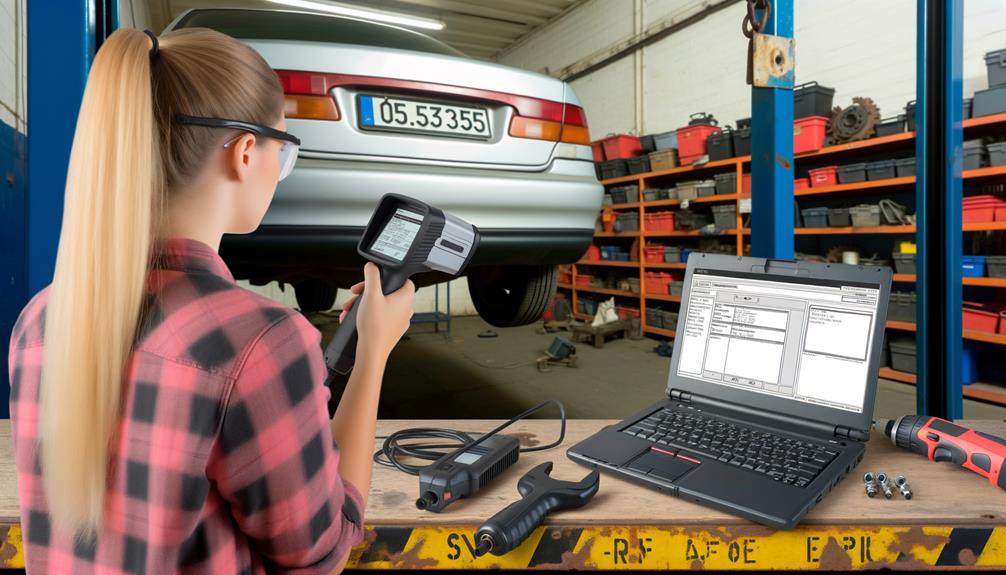
The Role of Technology in Modern VIN Verification Processes
August 8, 2024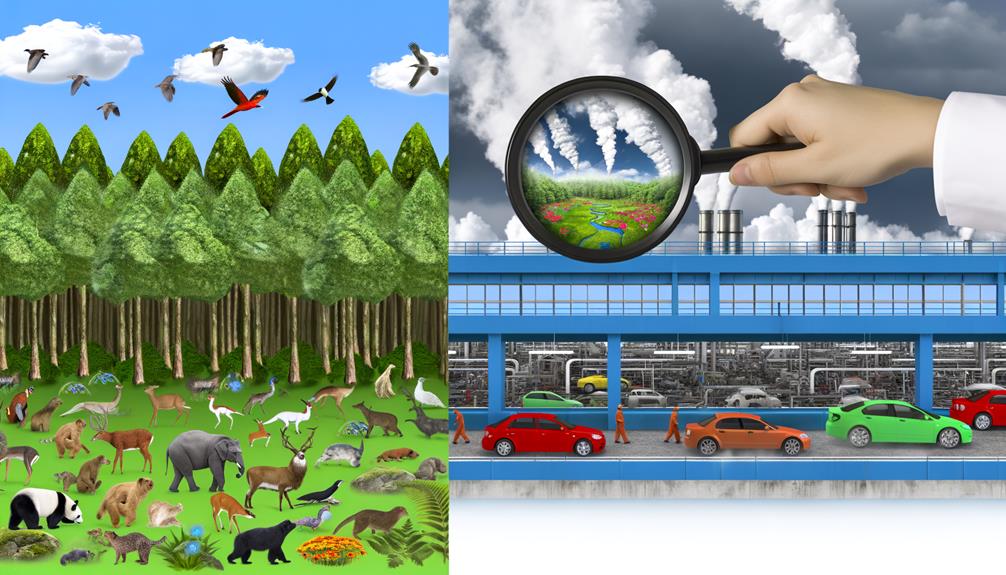
You've likely heard of VIN verification, but you might not have considered its environmental significance. This process ensures that vehicles meet specific emissions standards, playing a pivotal role in our fight against air pollution. As you explore the broader implications, consider how this straightforward check not only keeps non-compliant vehicles off the road but also pressures manufacturers to develop cleaner technologies. It's fascinating to think about how a simple series of numbers and letters can contribute to environmental health. What might this suggest about the future of environmental policy and vehicle manufacturing?
VIN Verification Overview
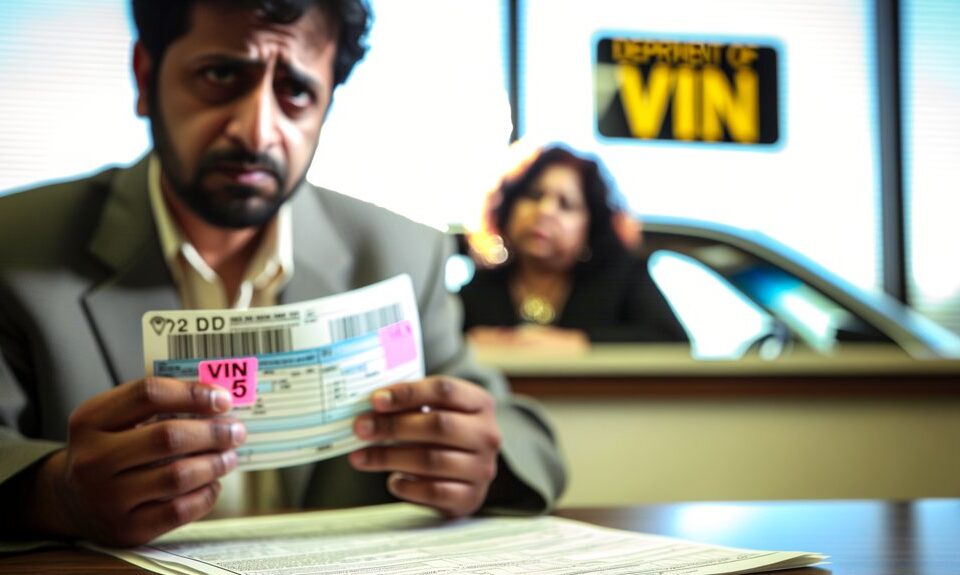
VIN verification, required by the DMV for certain vehicles, involves a thorough inspection to ensure all details, including the VIN, are accurate and match official records.
This process isn't just about following rules; it's your gateway to ensuring that the vehicle you're driving or planning to buy is genuinely what it's claimed to be. You wouldn't want to be trapped in a situation where your vehicle's identity is in question, limiting your freedom to drive confidently across the country or even just around the block.
During the VIN verification, each aspect of your vehicle's identity is checked—its year, make, model, and more.
This isn't about bureaucracy tying you down; it's about setting you free from potential legal troubles or doubts about your vehicle's legitimacy. Imagine cruising without a care, not having to look over your shoulder for issues related to unverified or incorrect vehicle identities.
When Is VIN Verification Required?
You'll need VIN verification if your vehicle is foreign or from out of state, to ensure it complies with local standards. This process is essential for maintaining the freedom to drive without legal hassles in your new locale. Imagine cruising down the highway with the peace of mind that comes from knowing your car meets all necessary regulations.
If your vehicle doesn't appear in the DMV database, it's a red flag that could restrict your mobility. VIN verification becomes your ticket to clearing up any discrepancies and proving your vehicle's legitimacy. This step is crucial for keeping your driving records straight and avoiding potential run-ins with the law.
Should your vehicle undergo significant changes, like a modification in the body type, VIN verification confirms these alterations are on record. It ensures that your car's identity aligns with state requirements, facilitating a smoother ride in bureaucratic waters.
For those with salvage titles, especially after extensive repairs, VIN verification by the CHP or DMV is mandatory. It's not just about compliance—it's about securing your right to drive a reconstructed vehicle safely and legally.
Lastly, motorcycle enthusiasts making engine swaps need VIN verification to guarantee their rides meet standard regulations, fostering freedom on two wheels without legal interruptions.
Requirements for VIN Verification

To ensure your vehicle's identification aligns with official records, a physical inspection of the VIN is required. This isn't just ticking boxes; it's about maintaining your freedom to drive without legal hitches.
During VIN verification, the inspector checks if your Vehicle Identification Number correctly matches your vehicle's details like year, make, model, and mileage. It's crucial, especially if you're bringing in a vehicle from out-of-state or dealing with a salvage title.
You'll need to have your paperwork in order—think of your title, bill of sale, and registration. These documents support the verification process, streamlining everything to keep you moving forward without delays.
Once everything checks out, the findings are documented on Form REG 31. Either a DMV employee or a licensed verifier can handle this during the inspection.
If you're using a mobile verifier, remember they're handy but might have restrictions, particularly if your vehicle has a salvage title still under question or if it's a motorcycle missing essential paperwork.
Choosing the right verifier will save you from potential roadblocks, ensuring you stay right within the bounds of state regulations and on the road to freedom.
Environmental Impact
While verifying a VIN ensures legal compliance, it also plays a significant role in protecting our environment. Every time you check that VIN on your motor vehicle, you're not just ensuring it's the right car; you're taking a step towards cleaner air and a healthier planet. This might seem like a small act, but it has a big impact.
VIN verification programs are crucial because they make sure vehicles meet emission standards. This reduces pollution, making the air you breathe cleaner and safer. You've likely heard the concerns about air quality and its effects on health and the environment. By keeping your vehicle in check, you're part of the solution. It's about freedom—the freedom to live in a world that values health and sustainability.
Moreover, these programs push manufacturers towards innovation. They've got to keep up, designing motor vehicles that not only dazzle but are also kind to our planet. It's a win-win: better products for you and less harm to the environment.
Regular checks through VIN verification mean fewer pollutants like carbon monoxide are released. This not only combats climate change but ensures that our communities remain vibrant and sustainable places to live. It's all about taking responsibility for our environmental footprint one vehicle at a time.
Role of Education

Educational programs that integrate lessons on vehicle emissions and VIN verification can significantly heighten students' awareness of their environmental impact. By understanding the role of VIN verification, you're empowered to make informed choices about your vehicle's maintenance, directly affecting air quality and public health. It's about taking control and ensuring your actions promote a healthier environment.
Community outreach initiatives can further bolster this knowledge, helping you see the tangible benefits of compliance. It isn't just about following rules; it's about actively participating in the preservation of your community's air quality. Engaging in educational programs allows you to connect the dots between daily vehicle use and long-term ecological effects.
Furthermore, projects that involve you in the verification process or vehicle maintenance foster a sense of responsibility and ownership over environmental outcomes. You're not just a passive observer; you're an active participant in shaping a sustainable future. Schools and community programs provide the tools and knowledge, equipping you to lead in reducing emissions and promoting public health.
Government Involvement
Governments actively implement vehicle verification programs to ensure you comply with environmental regulations that reduce vehicular emissions. These initiatives are crucial, as they balance your freedom to drive with the need to protect our environment from harmful pollutants emitted by motor vehicles. By adhering to these standards, you're not just following rules—you're actively contributing to a cleaner, healthier future.
Your government doesn't just enforce; it educates and incentivizes. It allocates significant funds for research into better verification technologies and runs public education campaigns to help you understand why these measures matter. This isn't about restricting your choices but about enhancing your options for more sustainable and efficient motor vehicles.
Moreover, collaboration with educational institutions ramps up the effectiveness of these programs. These partnerships ensure that the community is aware and involved, fostering a sense of responsibility and participation. You're encouraged to be part of this movement through incentives that reward compliance with emissions standards.
This approach shows that government involvement isn't about control. It's about giving you the tools and knowledge to choose wisely for your environment and future. It's a shared journey towards sustainability, where your actions influence the bigger picture.
Frequently Asked Questions
How Does a Car Affect the Environment?
Your car affects the environment by emitting harmful gases like CO2, contributing nearly 29% of total greenhouse emissions in the U.S. It also impacts air quality and accelerates climate change through fossil fuel combustion.
How Does Vehicle Use Adversely Affect the Environment?
Your car releases harmful pollutants, increases greenhouse gases, and leads to habitat destruction. It also worsens air quality, contributes to noise pollution, and exacerbates traffic, all harming your environment and freedom to enjoy it.