Choosing the Right VIN Verification Service in Riverside
August 7, 2024
How VIN Verification Helps in Buying and Selling Used Cars
August 7, 2024
As you navigate the complexities of vehicle ownership in California, you'll find that VIN verification stands as a critical step in ensuring your vehicle's legality and safeguarding against fraud. This mandatory check, which must be performed by authorized personnel, confirms that the details of your vehicle match official records. However, the implications of this process extend beyond a simple formality. With potential penalties for non-compliance and the risk of inadvertently purchasing a stolen vehicle, it's essential to understand the nuances of this regulation. What happens if discrepancies arise during your VIN verification, and how might it affect your standing with the DMV and insurance?
Registration Procedures Overview
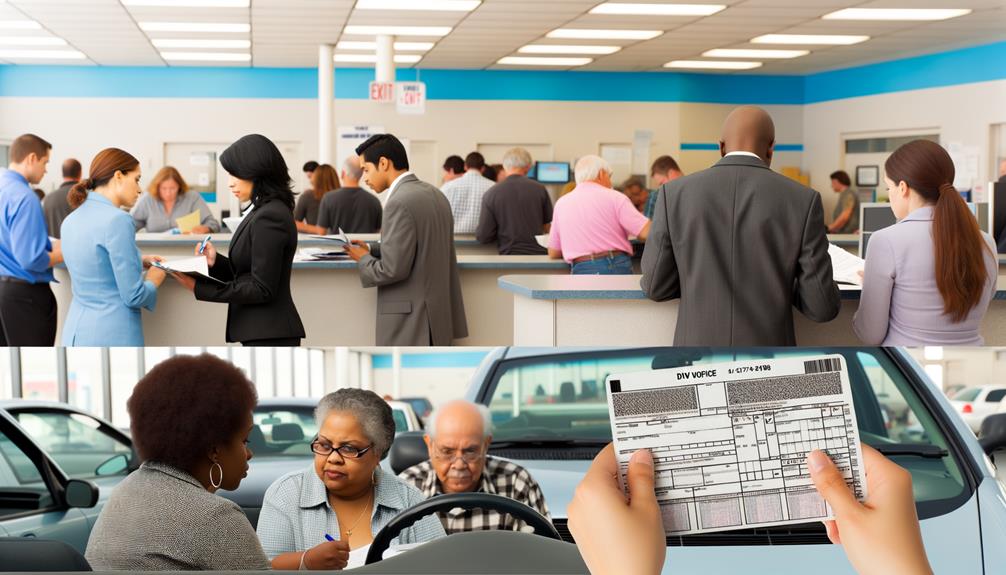
To register your vehicle in California, you must undergo a physical inspection if it's from out of state, a junk or salvage vehicle, or a specially constructed vehicle. This initial step ensures you meet the requirements set out by the California DMV, safeguarding your freedom to drive without legal hassles.
During this inspection, the VIN verification is a critical component. You'll need the Verification of Vehicle Form (REG 31), which confirms that your vehicle's VIN matches the documentation and is compliant with the California Vehicle Code. This step is about more than just bureaucracy; it's a safeguard against fraud and ensures that your vehicle is rightfully yours.
To complete this process, you can choose from a variety of authorized private verifiers, or even peace officers, who are trained to handle the specifics of VIN verification. This flexibility allows you to select a verifier who best meets your schedule and location, providing a straightforward path to compliance.
Vehicle Ownership and Titles
Once your vehicle passes the VIN verification, securing a legal title solidifies your ownership rights in California. This Certificate of Title isn't just a piece of paper; it's your ticket to freedom on the roads, proving you're the legal owner. Whether you're buying new, inheriting, or just ensuring your VIN number is up to snuff, each step is about maintaining your right to ride.
If your Vehicle Identification Number is missing or incorrect, you'll need to sort this out through the California Highway Patrol Registration process. This safeguard ensures that your vehicle isn't just compliant with the law, but also rightfully yours.
Branded titles, which flag vehicles as damaged or rebuilt, must be clearly understood. You don't want surprises, so knowing the status of your title helps you make informed decisions. Likewise, the Electronic Lien and Title (ELT) program keeps track of any liens electronically, simplifying how you manage your title.
In cases of co-ownership, each party's rights are protected under the law, making shared vehicle ownership straightforward. Remember, accurate and timely title transfers are crucial. They aren't just bureaucratic formalities but are fundamental to asserting your ownership and ensuring all is clear and legal.
Fees, Penalties, and Exemptions
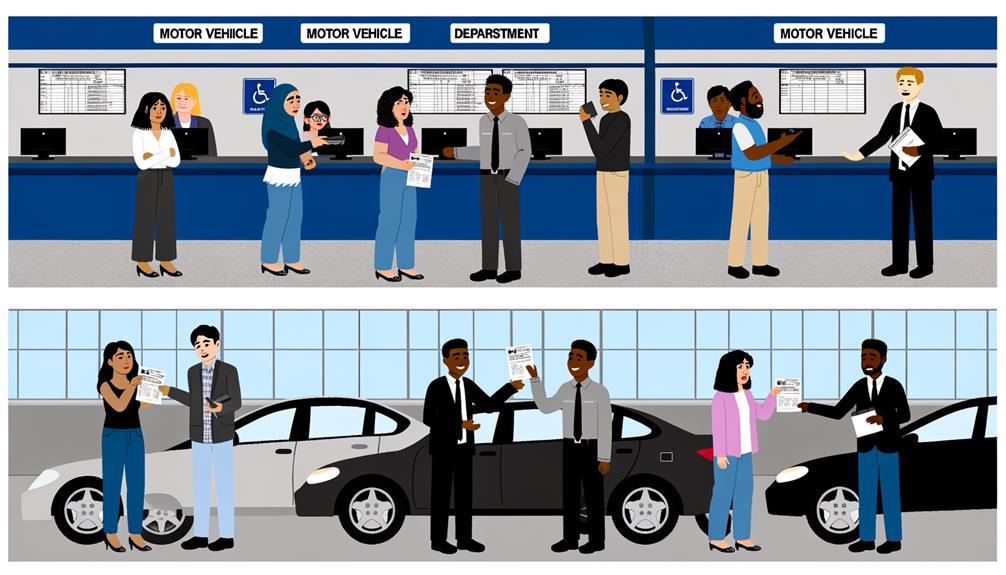
Understanding the fees, penalties, and exemptions associated with VIN verification is essential, as these can significantly impact your vehicle's compliance and ownership costs. You'll encounter various fees while correcting your Vehicle Identification Number (VIN) to align with California Vehicle Code regulations. These fees ensure your vehicle meets all legal standards, safeguarding your freedom to drive without legal interruptions.
However, if you overlook correcting an inaccurate VIN, you could face penalties, including fines. These fines aren't just minor setbacks; they can complicate your vehicle registration process, chaining you to unnecessary bureaucratic hassles. To avoid these penalties, staying proactive about your vehicle's VIN accuracy is crucial.
Fortunately, if you're facing financial hardship or meet specific criteria set by the DMV, you mightn't have to bear the burden of these fees. Exemptions also exist for certain vehicles, like new trailers under the PTI program, which have never been registered. These exemptions provide a breath of relief, allowing you some leeway in managing your vehicle's compliance without financial strain.
Challenges in Registration
Discrepancies in your Vehicle Identification Number (VIN) can throw a wrench into the registration process, leading to delays and additional complications. If you're all about keeping your freedom on the road, you'll need to tackle these registration challenges head-on.
VIN verification isn't just a formality; it's a critical step mandated by the California Vehicle Code to ensure compliance and prevent legal headaches down the road.
Imagine you're transferring your vehicle's ownership or trying to sell it, and suddenly, incorrect VINs on your documents lead to penalties and fines. You wouldn't want to be stuck in a legal bind or face complications that could have been avoided with accurate VIN verification.
Moreover, failure to address these VIN-related issues promptly can also jeopardize your ability to obtain necessary insurance coverage and negatively impact the vehicle's resale value.
To smoothly navigate through DMV processing, you must adhere strictly to the documentation requirements. This ensures that your registration ordeal doesn't turn into an extended roadblock.
Permits and Special Regulations
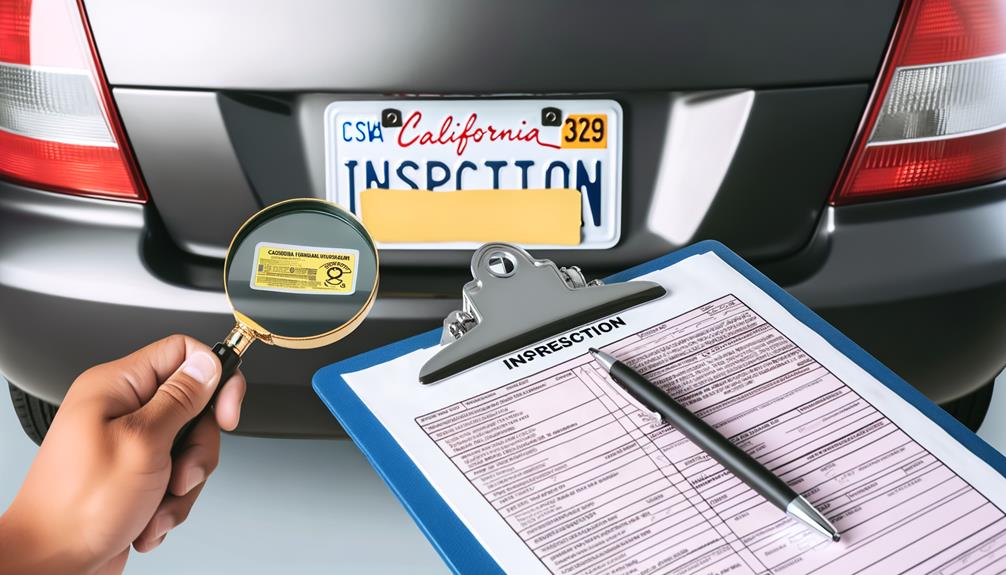
To ensure compliance with California's strict vehicle regulations, you must be aware of the permits and special regulations governing vehicle verifiers. As a verifier, you're navigating a path that requires precision and adherence to the rules set forth by the DMV. You'll need to obtain a permit, backed by a $5,000 bond, ensuring your commitment to the process.
Every two years, you face the renewal of your permit. It's not just about paying the $15 fee; it's about proving your ongoing competence and dedication to maintaining the integrity of vehicle verification. You're not just following regulations; you're ensuring every vehicle you handle meets the stringent standards of California law.
Remember, the records you keep are a testament to your diligence. These documents, detailing every verification request and vehicle inspected, can be reviewed by peace officers at any time. This isn't just about maintaining a paper trail; it's about upholding the trust placed in you by the DMV and the public.
Violations or signs of negligence can jeopardize your permit. More than just a license to operate, it's a symbol of your professional ability and ethical responsibility. Stay vigilant and competent, because the road to freedom in your profession requires strict adherence to these guidelines.
Authorized VIN Verifiers
Authorized VIN verifiers in California include a range of professionals, from DMV employees to licensed individuals, each mandated to follow strict regulatory standards. You have the freedom to choose who verifies your vehicle's identity, which is crucial for ensuring your car's compliance with the California Vehicle Code.
DMV employees, peace officers, and staff from auto clubs like AAA are all equipped to handle your VIN verification needs. AAA branches across California, catering to both members and the public, provide these services, ensuring you're never too far from help. Additionally, private firms such as Quick VIN Verification offer the convenience of verifying your vehicle without the need to visit traditional spots.
Each verifier, whether they're from DMV offices or private sectors, must include their signature and relevant identifiers on the verification documents. This requirement upholds a standard of accountability and provides you with peace of mind, knowing that your vehicle's VIN is legitimately authenticated.
When you're deciding where to get your VIN verified, remember that all authorized verifiers are regulated and compliant with the same high standards set by the California Vehicle Code. This flexibility allows you to choose a verifier who best meets your schedule and location preferences, seamlessly integrating into your busy life.
Frequently Asked Questions
Is VIN Verification Required in California?
Yes, you're required to get VIN verification in California if your vehicle was previously registered out of state, is specially constructed, or has undergone significant modifications affecting its identification.
Does CA DMV Charge for VIN Verification?
Yes, the CA DMV does charge for VIN verification. Typically, it's about $20, but prices can vary. Make sure you check the specific fee with your local DMV or authorized verifier.
What Is a California VIN Check?
A California VIN check verifies your vehicle's unique identity through its 17-character VIN. It's essential for registering out-of-state or salvage vehicles, ensuring your ride's legality and protecting against fraud.
What Is a California Reg 31?
A California REG 31 is a form you'll use to verify a vehicle's details, like its VIN, especially when registering out-of-state or uniquely constructed vehicles to ensure they're up to code.