How VIN Verification Supports Vehicle Safety Standards
August 8, 2024
The Future of VIN Verification: Trends and Innovations
August 8, 2024
As you navigate the complexities of owning an electric or hybrid vehicle, you'll find that the VIN verification process plays a pivotal role in ensuring your vehicle meets regulatory standards and qualifies for potential incentives. Utilizing the NHTSA's VIN decoder, you can verify the intricate details of your vehicle's identity, from its assembly location to eligibility for the Clean Vehicle Credit. This accuracy not only affects compliance but also impacts your benefits as a consumer in the environmentally conscious market. However, what happens when discrepancies arise during this verification process? Let's explore the potential challenges and their implications for you as an owner.
Understanding VIN Basics
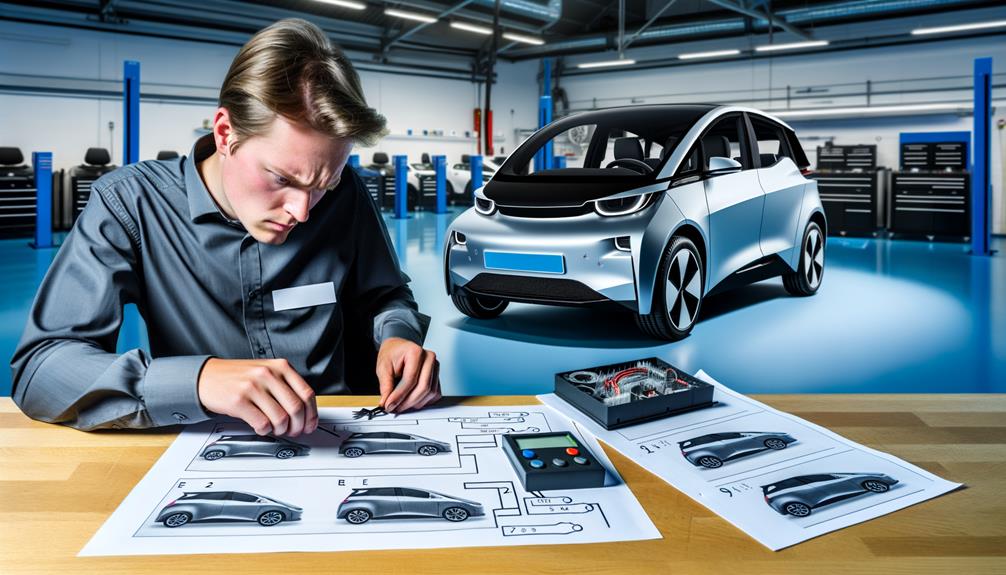
The Vehicle Identification Number (VIN) is a unique 17-character code that identifies specific details about your vehicle, such as its manufacturer, model, and year of production. This number isn't just a random string; it's the key to unlocking vital information that can affirm your vehicle's identity and more.
As an electric or hybrid vehicle owner, the VIN becomes particularly crucial. It determines your eligibility for various tax credits aimed at promoting greener transportation options. By using a VIN decoder, you can verify the vehicle assembly location—a significant factor since some incentives specifically require the vehicle to be manufactured in certain regions.
Understanding your VIN isn't just about compliance; it's about maximizing your benefits. Each section of the VIN provides different details. For instance, the first character signifies the country of origin, while other parts reveal the vehicle's manufacturer and attributes.
This breakdown helps you, the vehicle owner, to ensure that your electric or hybrid vehicle meets the criteria for tax credit eligibility.
Role of NHTSA in VIN Verification
Understanding your vehicle's VIN is just one part of the process; NHTSA also plays a pivotal role in its verification. The National Highway Traffic Safety Administration ensures that each VIN, a unique 17-character identifier, accurately reflects vital vehicle details like make, model, and year. This rigorous standardization helps you, the vehicle owner, to ensure your electric or hybrid vehicle complies with relevant regulations and is eligible for incentives like the Clean Vehicle Credit.
NHTSA's involvement doesn't just safeguard your freedom to access benefits seamlessly; it also compels manufacturers to adhere to strict reporting practices. Compliance with 49 C.F.R. Part 583 is mandatory, meaning manufacturers must meticulously assign and report VINs. This process is vital for verifying that the vehicles meet specific standards, including those set for electric vehicles which may qualify for additional incentives.
Moreover, the VIN helps verify the plant where your vehicle was manufactured, a detail crucial for confirming eligibility for certain incentives. Through this rigorous verification process, NHTSA enhances the integrity of vehicle identification, ensuring that your rights and freedoms as a consumer are protected while also fostering a transparent and reliable automotive market.
Accessing and Using the VIN Decoder
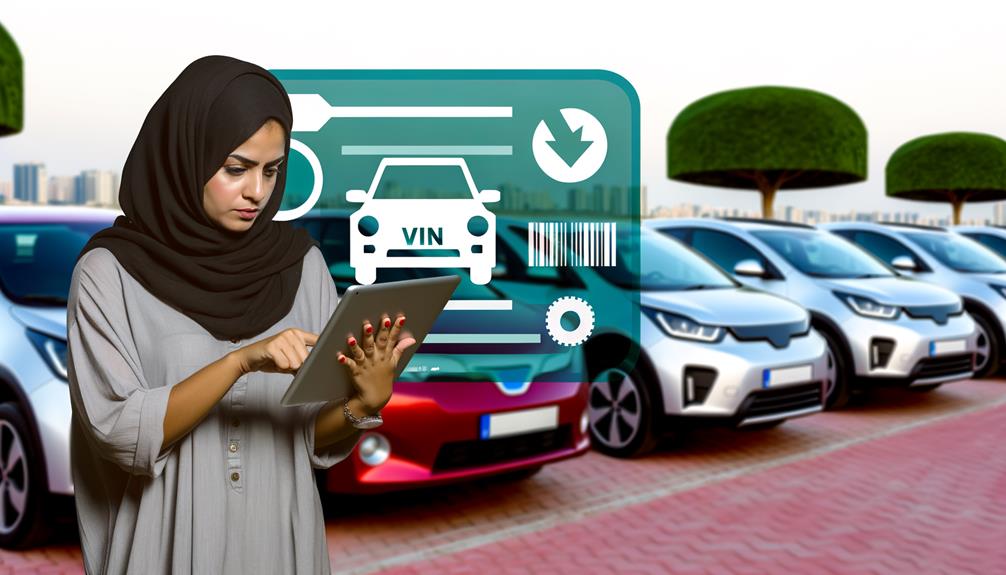
You can easily retrieve detailed vehicle information by using the VIN decoder available on the NHTSA's official website. This tool is your gateway to freedom in understanding your vehicle's specifics without needing to rely on dealerships or third-party services. Simply input your 17-character VIN, hit ‘Decode VIN', and you'll unlock a wealth of data including the vehicle's make, model, and specifications.
Using the VIN decoder not only aids in VIN verification but also ensures that you're aware of any tax credits available for electric and hybrid vehicles. It's an essential tool if you value independence in managing your vehicle's documentation and ensuring you're maximizing potential benefits.
Moreover, this resource allows you to check the vehicle history, identify any safety recalls, and confirm compliance with necessary regulations. It's about having direct access to critical information that enhances your awareness and supports responsible vehicle ownership.
You're not just verifying a VIN; you're taking control of your vehicle's narrative, ensuring that everything from registration to claiming incentives is based on verified, accurate information. Embrace the empowerment that comes with using the VIN decoder effectively.
Identifying Vehicle Assembly Locations
To determine your vehicle's assembly location, simply input its VIN into the NHTSA's VIN decoder on their official website. This step is vital, especially if you're eyeing the Clean Vehicle Credit, where North American assembly is a must.
Here's how it empowers you: by using the VIN, an abbreviation for Vehicle Identification Number, you can independently verify the specifics of your electric or hybrid vehicle's origins.
This isn't just about knowing where your car was pieced together; it's about securing your freedom to claim benefits rightfully due to you. The VIN tells you whether your vehicle's final assembly occurred within North America—encompassing the U.S., Canada, Mexico, and even Puerto Rico.
This confirmation of the assembly location is crucial, not only for your peace of mind but also for tax credit eligibility under various incentives aimed at promoting cleaner vehicle use.
State Regulations for VIN Verification
Now that you know how to determine your vehicle's assembly location, let's explore how different states handle VIN verification for electric and hybrid vehicles. Every state boasts its unique set of rules, reflecting the diversity and autonomy that you might appreciate in managing your vehicle's registration.
In Kentucky, for instance, VIN inspections are a mandatory part of the registration process for both electric and hybrid vehicles. You'll face an additional registration fee of $120 for electric vehicles and $60 for hybrids. This might seem steep, but it's all part of confirming your ownership and ensuring that your vehicle meets state standards.
Down in Louisiana, the scenario changes slightly. While VIN inspections are still required, you won't be hit with extra fees beyond the standard registration costs. This approach simplifies the process, letting you enjoy the freedom of the road without worrying about unexpected expenses.
States like Michigan, however, offer even more liberty. Here, you won't need to undergo VIN inspections for electric vehicles, highlighting a streamlined approach that minimizes bureaucratic hurdles and keeps you moving forward without delay.
Importance of Accurate VIN Information
Accurate VIN information plays a pivotal role in ensuring your vehicle meets essential legal and safety standards. When you're behind the wheel of an electric or hybrid vehicle, you rely on the Vehicle Identification Number (VIN) not just as a formality, but as a gateway to freedom and innovation. This unique identifier is your key to unlocking benefits tailored specifically to eco-friendly drivers like yourself.
By ensuring your VIN information is spot-on, you're not only staying compliant with federal regulations but also safeguarding your eligibility for perks such as tax credits and the Clean Vehicle Credit. These incentives can significantly lower the cost of ownership and enhance your driving experience. Imagine missing out on these benefits just because of incorrect VIN details—it's not a risk worth taking!
Moreover, the NHTSA's VIN decoder tool offers a straightforward way to verify that all the information about your vehicle's make, model, and specs aligns with official records. This isn't just about compliance—it's about ensuring your journey is smooth, from vehicle registration to benefiting from cutting-edge advancements in automotive technology.
Accurate VIN information maintains the integrity of your ownership and keeps your path to innovation clear.
Frequently Asked Questions
How Can a Hybrid Electric Vehicle Be Identified?
You can identify a hybrid electric vehicle by checking its VIN. The first three characters reveal the manufacturer, and further characters indicate model details, including if it's a hybrid. Check using NHTSA's tools.
Does IRS Check VIN for EV Tax Credit?
Yes, the IRS checks the VIN to ensure your electric vehicle qualifies for the EV tax credit. You'll need to verify that the vehicle was assembled in North America to claim this benefit.
Who Is Authorized to Do a VIN Verification in California?
In California, you can get a VIN verification from licensed vehicle dealers, law enforcement officers, or authorized inspection stations. They'll ensure your vehicle meets state requirements and confirm its legitimacy.
What Is VIN Validation?
VIN validation ensures you're getting a legit vehicle by checking the 17-character Vehicle Identification Number, which reveals the car's make, model, and production details. Confirm your vehicle's history and safety through this process.