The Environmental Impact of VIN Verification
August 8, 2024
How to Handle VIN Verification for Leased Vehicles
August 8, 2024
You've likely noticed how technology has seeped into every aspect of automotive management, but have you considered its profound impact on VIN verification? Today's systems employ advanced tools like real-time database access and predictive machine learning, not just to streamline processes but also to significantly enhance security. These technological advancements are reshaping how businesses handle verification, from simple ownership transfers to complex fraud prevention strategies. As you ponder the implications, think about how this evolution might affect your interactions with vehicle management systems. What changes could these technologies bring to your professional or personal life in the automotive sphere?
Enhanced Data Layers
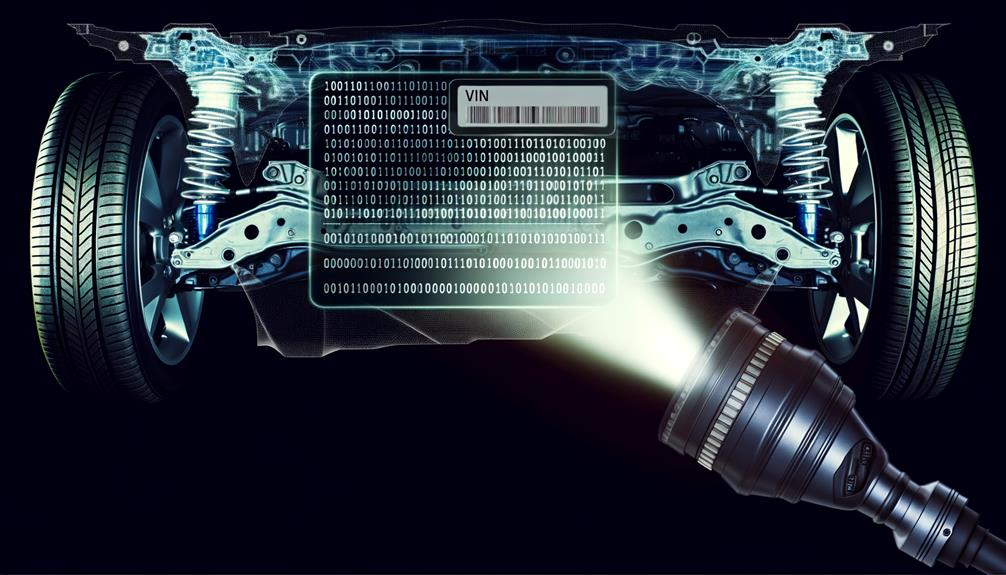
Modern VIN decoders now unlock up to 150 data points per vehicle, drastically enhancing the depth of information available to automotive businesses. You're no longer tied to the basic details; you can dive deeper into the manufacturing history, feature specifics, and much more. This power puts you in the driver's seat, giving you the freedom to explore comprehensive data insights that weren't accessible before.
With these enhanced profiling capabilities, you're equipped to make smarter, faster decisions. Whether you're verifying the authenticity of a vehicle or tailoring your services to meet specific customer needs, the detailed data from modern VIN decoders offers clarity and precision. You're not just meeting the basic expectations; you're exceeding them, and in doing so, aligning with the latest regulatory standards that demand thoroughness and accuracy in VIN verification processes.
The shift to more advanced data layers transforms how you interact with each vehicle's story. It's about moving beyond the surface, harnessing the full potential of every data point to elevate your operational strategies. This isn't just compliance—it's a strategic advantage in a competitive marketplace, where freedom and flexibility lead the way to innovation and success.
Visual VIN Verification
Building on these advancements, visual VIN verification employs advanced image recognition technology to scan and decode VINs with unprecedented accuracy.
You'll appreciate how this process significantly reduces the possibility of human error, boosting the efficiency and accuracy of operations in any automotive-related business. This technology not only speeds up the verification process but also ensures that you're working with the most accurate data available, giving you the freedom to focus on what really matters—customer satisfaction and operational excellence.
The integration of visual VIN verification streamlines vehicle inspections, making data entry and verification a breeze compared to older, manual methods. Imagine cutting down the time you spend on administrative tasks, freeing up more time for innovation and customer interaction. This isn't just about faster processing; it's about revolutionizing how you engage with every vehicle that passes through your hands.
Moreover, enhanced security measures are baked into the visual VIN verification systems to protect sensitive information. This not only helps in safeguarding your data but also builds trust with your customers, knowing that their information is handled with the utmost care.
Embrace this cutting-edge technology and watch your customer satisfaction soar as you enhance security and efficiency in your operations.
Predictive Machine Learning
Predictive machine learning algorithms are revolutionizing VIN verification platforms by utilizing historical vehicle data to anticipate maintenance needs and identify potential recalls efficiently.
You're now free from the tyranny of uncertainty in vehicle management, thanks to these advanced technologies.
By integrating predictive analytics into the VIN verification process, you're not just checking a box; you're stepping into a realm where every piece of vehicle history is analyzed to safeguard your automotive decisions.
This isn't just about avoiding mishaps; it's about embracing a proactive approach that keeps you ahead of the curve.
Machine learning models dive deep into vast datasets, slashing the chances of human error and enhancing the accuracy of your insights.
Imagine a system that gets smarter over time, one that adapts and evolves with every new piece of data.
That's the power of machine learning in VIN verification. It continuously refines its predictions, making the process more efficient with each iteration.
As a result, automotive businesses can now respond to service queries with unprecedented precision, boosting customer satisfaction and loyalty.
This shift isn't just beneficial—it's transformative. It empowers you to take control, ensuring your vehicle's reliability and your peace of mind.
API Integration Benefits
As we explore further, consider how seamless API integrations amplify the capabilities of VIN verification systems by connecting them directly with dealership management and CRM systems. This link ensures you're not bogged down by sluggish, outdated methods. Instead, you're equipped to act fast, freeing up resources and accelerating your decision-making.
With API integration, you're not just verifying a VIN; you're tapping into a rich vein of vehicle information. This instant access slashes the time you'd normally spend on tedious manual record checks. Think about it – more time focusing on what really matters: your clients and their needs.
Moreover, API integrations streamline your operations by eliminating data redundancy and enhancing collaboration. You're no longer operating in silos but are part of a dynamic, interconnected network. This connectivity not only makes your work life easier but also boosts your ability to serve customers better.
Advanced Security Measures
To ensure your data remains protected, advanced VIN decoders now incorporate robust security measures, including encrypted data transfers. This isn't just about keeping your vehicle information safe; it's about preserving your freedom to operate without fear of cybersecurity threats. With these systems, you're not just checking a VIN; you're ensuring that your business and personal information remain shielded from prying eyes.
These security measures go beyond basic protections. The implementation of multi-factor authentication is a critical step in verifying that only authorized users can access the system. You know that every login attempt has to pass through multiple checks, significantly reducing the risk of intrusion or fraud.
The landscape of digital threats is constantly evolving, and so too are the security tactics used in VIN verification. Regular updates and patches are applied to fend off new vulnerabilities, ensuring that your system isn't just secure today but remains at the forefront of cybersecurity advancements.
This ongoing improvement process is crucial in a world where threats are ever-changing, providing you peace of mind that your data isn't just secure but handled with the utmost care. These advanced security measures aren't just a technical requirement; they're your frontline defense in maintaining operational freedom.
Mobile VIN Scanning
Mobile VIN scanning apps frequently streamline the verification process by using advanced image recognition technology to accurately capture and decode VIN barcodes.
You'll find that these tools not only save time but also drastically reduce errors that can occur with manual data entry. With mobile VIN scanning, you're not just entering numbers; you're accessing a gateway to a wealth of vehicle information that's crucial for making informed decisions, whether you're buying a car, selling, or simply verifying its history.
Imagine you're in the field, whether at a dealership or working in law enforcement. These mobile solutions offer you instant access to critical data about any vehicle just by scanning the vehicle identification number.
This capability is invaluable, especially when quick decision-making is essential. For law enforcement officials, the ability to swiftly verify a vehicle's identity can be the key to deterring or solving crimes. It's about having the freedom to obtain reliable information on the go, enhancing both safety and efficiency.
These apps aren't just tools; they're your partners in ensuring that each vehicle's profile is thoroughly and swiftly accessed, making your workflow smoother and letting you focus on what really matters in your field.
Online Database Access
Online database access revolutionizes how you verify vehicle information, offering instant, error-free data crucial for quick and informed decision-making. You're no longer shackled by the slow, error-prone methods of the past. Now, with a few clicks, you can access a vehicle's history, check for theft, and ensure compliance with regulations—all in real-time.
Imagine the freedom you have when online database access in the automotive industry lets you swiftly verify a vehicle identification number (VIN). You're not just saving time; you're also bolstering security and efficiency. This is especially vital if you're in law enforcement or an automotive professional where split-second decisions can hinge on accurate data.
Errors? They're drastically reduced. Since you're not manually entering data, the risk of mistakes plummets, letting you trust the verification process more than ever. For anyone in the market for a used car, this means confidence in your purchase decisions.
Moreover, online databases keep you ahead with up-to-date information. Whether it's confirming ownership, insurance details, or the vehicle's accident history, you've got the facts at your fingertips. This isn't just convenience—it's empowerment, ensuring you're always informed and in control.
Blockchain Technology Integration
Building on the advancements of online database access, integrating blockchain technology further secures and streamlines VIN verification processes.
Imagine having the power to track your vehicle's history with absolute confidence, knowing that each piece of data about your car—from its manufacture date to its previous owners—can't be tampered with. That's the security blockchain technology brings to vehicle identification number (VIN) verification.
Blockchain's decentralized nature means that no single entity controls the ledger. Instead, it's maintained by a network, enhancing security and reducing the risk of fraud. Each time a vehicle changes hands or its status is updated, this transaction is recorded on the blockchain, creating a permanent history that you can access freely.
This transparency isn't just about knowing your car's past; it's about securing your freedom to make informed decisions without the fear of falsified information.
Furthermore, the immutable records generated by blockchain ensure that your vehicle's documentation is always intact and verifiable. This not only deters potential fraud but also simplifies the process of verifying a vehicle's history.
You no longer have to rely on easily altered or falsified records—blockchain technology offers a robust solution that keeps your vehicle's data accurate and accessible.
Cloud-Based Solutions
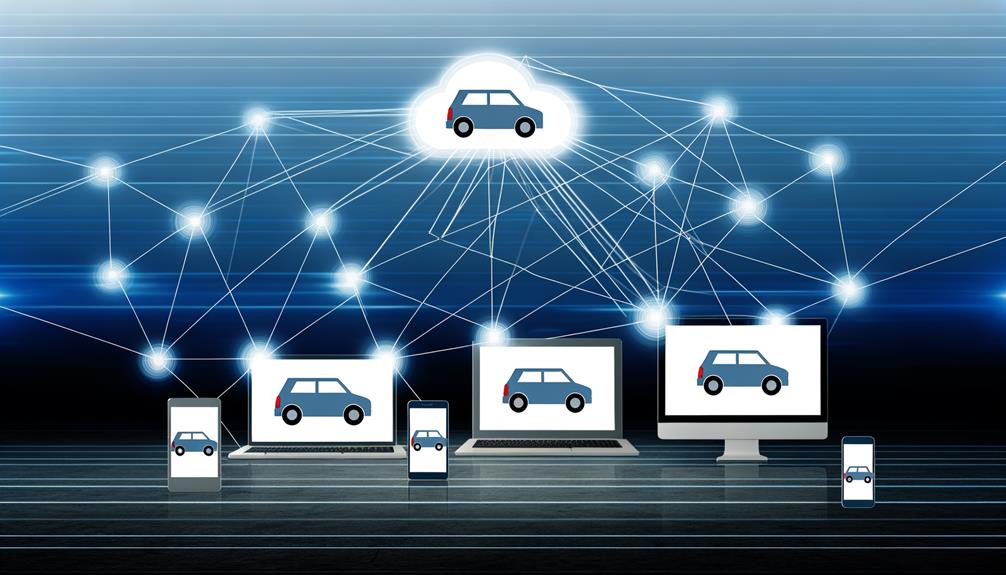
Cloud-based solutions offer secure, remote storage and access to vehicle records, enabling instant VIN verification and reducing traditional wait times.
You'll find yourself freed from the shackles of outdated systems that tether you to a single location or piles of paperwork. With the power of the cloud, you can access a vehicle identification number from anywhere, making your operations as mobile as you are.
These solutions aren't just about ease; they're about efficiency. Efficient data retrieval from the cloud means that no matter where you are—whether you're at a desk in New York or in a field in California—you can pull up vehicle records swiftly and accurately. This capability ensures that automotive businesses like yours can operate without the usual boundaries set by geography or time zones.
Furthermore, cloud-based systems integrate seamlessly with your existing dealership management and CRM platforms. This integration streamlines your operations, cutting down on redundant tasks and ensuring that your data is always up-to-date.
You're not just saving time; you're also boosting your accuracy and reducing the risk of errors that come with manual record-keeping.
Embrace cloud-based solutions and watch your automotive business soar to new heights of efficiency and freedom.
Future Technological Trends
As we look toward the horizon, future technological trends in VIN verification promise to revolutionize the way we handle vehicle documentation and security.
You'll see blockchain technology stepping in to provide an immutable ledger for vehicle histories. This isn't just about keeping records; it's about ensuring that no one can tamper with your vehicle's past, giving you the freedom and assurance you need when making decisions.
With the integration of the Internet of Things (IoT), you're looking at real-time VIN verification right at your fingertips. Imagine driving your car and having seamless monitoring and data exchanges without lifting a finger. This connectivity not only simplifies your life but also enhances the security and maintenance of your vehicle.
Moreover, machine learning algorithms will soon predict and notify you about potential issues before they become problematic. You won't be caught off guard; you'll be prepared and in control, able to tackle discrepancies head-on.
Frequently Asked Questions
What Is the Meaning of VIN in Technology?
You're asking about VIN in tech—it stands for Vehicle Identification Number. It's like a car's unique digital fingerprint, crucial for tracking and verifying vehicles in various technological applications and systems.
What Is VIN Validation?
VIN validation ensures that a vehicle's unique 17-character identification number matches its official records. You're checking for accuracy in specifications and history to avoid discrepancies and make informed choices.
What Is the Purpose of the Vin?
The VIN uniquely identifies your vehicle, encapsulating its origins, specs, and history. It's crucial for registration, insurance, and verifying its legitimacy, essentially safeguarding your freedom to own and use your vehicle confidently.