How to Prepare Your Vehicle for a Successful VIN Verification
August 7, 2024
Mobile VIN Verification Services in Riverside: Convenience at Your Doorstep
August 7, 2024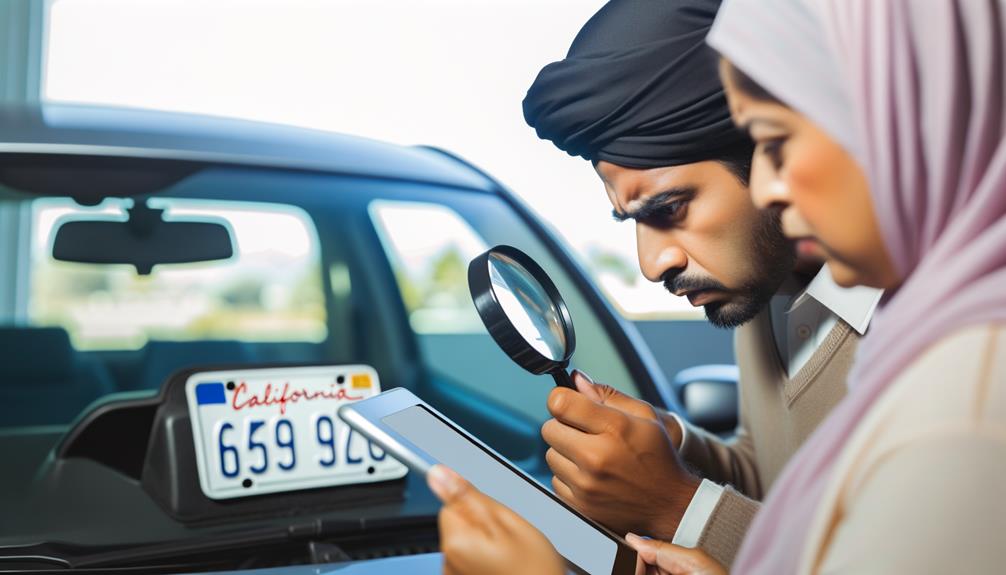
Have you ever considered the critical role that VIN verification plays in safeguarding against vehicle fraud in California? As you navigate the complexities of buying or selling a vehicle, understanding how this process works is key to ensuring the deal you're entering is legitimate. Not only does VIN verification help confirm the vehicle's identity, but it also detects any potential discrepancies that could indicate fraud or theft. Now, imagine discovering a mismatch in VIN information during a transaction—what do you think happens next? Let's explore the legal implications and the steps that follow in such scenarios.
Understanding VIN and Its Importance

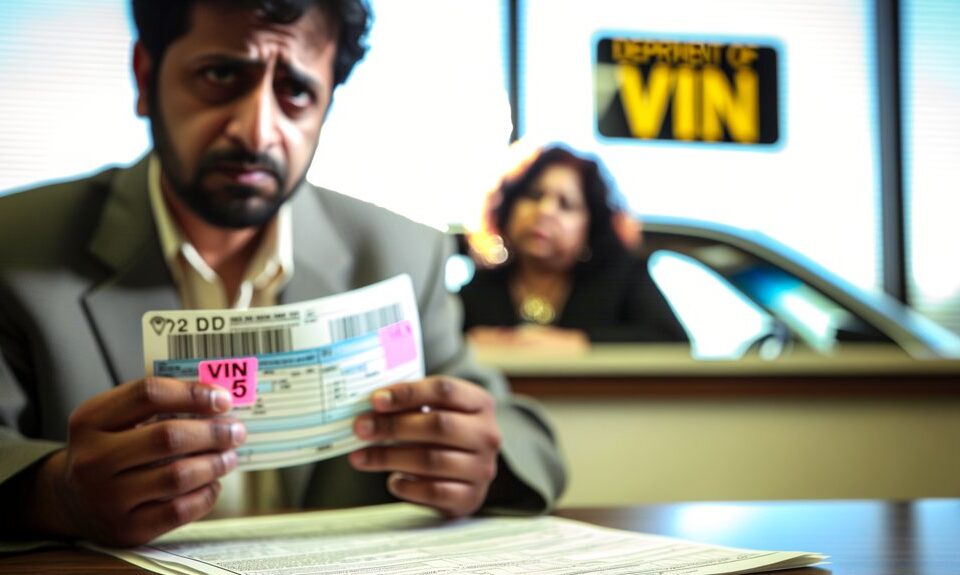
Understanding the Vehicle Identification Number (VIN) is crucial because it uniquely identifies each vehicle and helps prevent fraud. As you cherish your freedom and the open road, know that each car's VIN is a safeguard, protecting you from the pitfalls of vehicle fraud. This 17-character code not only verifies the car's authenticity with the California DMV but also anchors its ownership history.
When you're eyeing a used car, the VIN is your first checkpoint. It's your tool to access a comprehensive vehicle history, which includes past ownership, accident history, and any signs of tampering. Law enforcement also relies on the VIN to ensure that each vehicle on the road is legally registered and hasn't been involved in illicit activities.
Think of VIN verification as a freedom check. It's there to make sure that you're not shackled by someone else's problems or deceit. Whether you're buying or selling, a clear VIN check means you're good to go, no strings attached. So, always ensure that VIN verification tops your list. It's a simple step that keeps your vehicle transactions transparent and your journeys smooth.
Legal Implications of VIN Alteration
If you alter, deface, or destroy a Vehicle Identification Number (VIN), you're committing a misdemeanor under California Vehicle Code 10750. This act, seemingly minor, can lead to severe restrictions on your freedom, including up to 1 year in jail and a $1,000 fine. The law is strict because the integrity of VIN is crucial for valid vehicle registration and to prevent fraud and theft.
Diving deeper, if you knowingly engage in VIN alteration to misrepresent a vehicle's identity, you're stepping into more dangerous waters. Under Vehicle Code 10802, these actions could elevate to felony charges, especially if linked to illegal vehicle sales or transfers. This isn't just about a slap on the wrist; you could face between 16 months to 3 years in prison and fines up to $25,000.
These legal implications aren't just penalties; they're protective measures. They safeguard the community from vehicle theft and the broader implications of fraud tied to illicit vehicle activities.
Contrasts Between Vehicle Codes

While both Vehicle Code 10750 and 10802 aim to prevent vehicle fraud, they differ significantly in terms of intent and penalties.
Vehicle Code 10750 focuses on the intentional alteration, defacement, or destruction of a VIN. If you're caught, you're facing misdemeanor penalties, which could be up to a year in jail or a $1,000 fine. It's strict, but it's clear-cut, aiming to keep your vehicle's identity intact and your California DMV registration straightforward.
Now, let's talk about Vehicle Code 10802. This one is a bit more severe. It deals with altering a VIN but cranks up the stakes by requiring the intent to misrepresent a vehicle's identity. If you're found guilty under 10802, you could be looking at either misdemeanor or felony penalties. We're talking about a range from 16 months up to 3 years in prison and fines that could soar up to $25,000. It's designed to tackle more calculated, fraudulent schemes, especially those messing with illegal vehicle sales or transfers.
Both codes are essential in the fight against vehicle fraud, but understanding the contrasts helps you appreciate how deeply California values the integrity of vehicle transactions and VIN verification.
Related Offenses and Definitions
Several offenses are closely linked to VIN tampering, such as operating a chop shop and possessing vehicles with altered VINs. When you delve into the details of California Vehicle Code, you'll find that manipulation of a vehicle identification number isn't just a standalone offense; it's often part of a larger network of vehicle fraud.
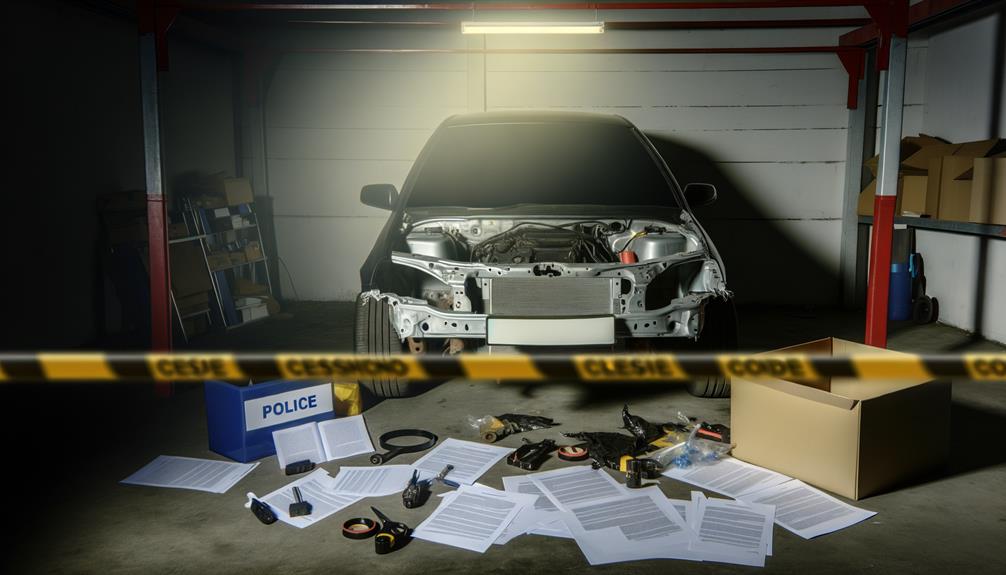
Operating a chop shop, as defined by Vehicle Code 10801 VC, involves dismantling stolen vehicles, a clear assault on personal property rights. Similarly, possession of tampered vehicles under Vehicle Code 10803 VC underscores the risks and challenges in maintaining a free and fair automotive market.
These related offenses are termed wobbler offenses, meaning they can be prosecuted as either misdemeanors or felonies, depending on the specifics of the case and past conduct.
The intentional alteration or destruction of a VIN, prohibited under Vehicle Code 10750 VC, highlights the critical importance of safeguarding your vehicle's identity. It's about more than compliance; it's about protecting the freedom to own and use property without interference.
Consequences of VIN Tampering
Understanding the consequences of VIN tampering is essential, as it's classified under California Vehicle Code Section 10802 as a wobbler offense, which might lead to serious legal penalties. You could face felony charges, earning you a stint in prison for 16 months to three years, not to mention fines up to $25,000.
Alternatively, misdemeanor charges might seem lighter but can still land you in jail for up to a year and slap you with a $1,000 fine.
These aren't just temporary setbacks. A conviction leaves a mark on your criminal record, potentially slamming doors on your future opportunities. Imagine struggling to secure a job or finding a place to live because of past mistakes linked to vehicle fraud.
Moreover, if you're caught up in related offenses like operating a chop shop or possessing vehicles with tampered VINs, you're looking at stacking up similar penalties. The legal risks balloon significantly.
The Process of VIN Verification
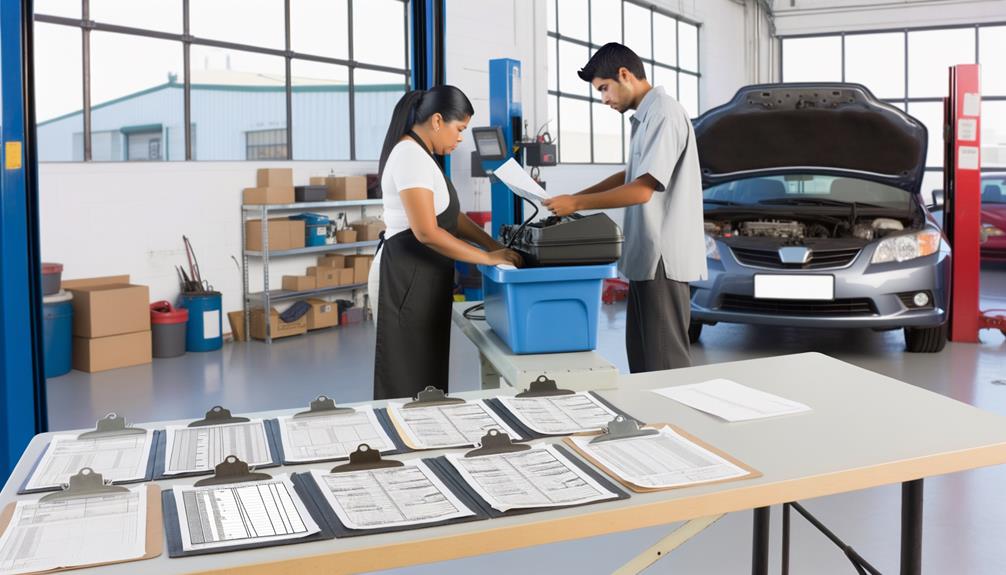
VIN verification is a detailed inspection process that records crucial vehicle details like the VIN, odometer readings, and the emissions label to ensure the vehicle's identity matches public records. This step is vital to protect your freedom to own and use a vehicle that's genuinely yours and not tangled in legal issues.
As you dive into the process, you'll appreciate how thorough it is. It's not just about checking a box; it's about ensuring the legitimacy of a vehicle's identity. The physical inspection is rigorous, examining the VIN and other identifiers against vehicle records to detect any discrepancies. If you're bringing in a vehicle from another state or country, or if your ride has undergone significant modifications, this process becomes even more crucial.
During VIN verification, every detail—from VIN information to odometer readings—is scrutinized. It's about maintaining the integrity of your vehicle's identity and ensuring everything is up-to-date and consistent. This meticulous verification fortifies against vehicle fraud, giving you peace of mind that your vehicle isn't just another statistic in vehicle fraud cases.
For $35, you're not just paying a fee; you're investing in the accurate identification and safeguarding of your vehicle's status. This ensures your vehicle's journey through the DMV system is smooth and without hitches.
Benefits of Accurate Vehicle History
You'll also benefit from knowing the accurate history of a vehicle, which is verified through meticulous VIN checks. This transparency gives you the freedom to make informed choices, steering clear of potential traps in the bustling market of used cars. With accurate vehicle history, you're not just buying a car; you're investing in peace of mind.
VIN verification plays a crucial role in this process. It ensures that the details you receive—be it accident history, previous ownership, or maintenance records—are in sync with official databases. This accuracy prevents vehicle fraud by exposing any discrepancies like odometer rollback or undisclosed damages. You won't be fooled by misrepresented vehicles that look good on the outside but are disasters waiting to happen.
Moreover, knowing the true condition of the vehicle through a detailed history can empower you in negotiations, helping you get a fair deal based on the car's genuine value. This level of transparency fosters consumer confidence and holds sellers accountable, making vehicle transactions more secure and straightforward.
Ensuring Compliance in Vehicle Transactions
Ensuring your vehicle's identification matches official records through VIN verification is crucial for compliant transactions in California. This step isn't just about ticking a box; it's about securing your freedom to drive without legal entanglements and ensuring that the vehicle you're buying isn't part of a scam or worse, stolen.
VIN verification is your safeguard. It aligns with the California DMV's stringent requirements, making sure that every vehicle transaction upholds high standards of compliance. This process detects any discrepancies in vehicle information that might otherwise lead to severe issues down the road. Whether it's mismatched odometer readings or incorrect vehicle details, VIN verification helps you spot these red flags early.
Furthermore, VIN verification boosts consumer confidence. Knowing that a vehicle has passed this critical check minimizes the risk of fraud and increases transparency in the transaction. You're not just buying a car; you're investing in peace of mind.
Frequently Asked Questions
Why Do I Need a VIN Verification in California?
You need a VIN verification in California to ensure your vehicle meets state regulations, avoid legal issues, and maintain accurate DMV records. It's a simple, affordable way to protect your freedom on the road.
What Is the VIN and Its Role in Criminal Investigation of Motor Vehicle Theft?
The VIN is your vehicle's unique code, essential in tracking its history and verifying legitimacy. It's especially crucial in criminal probes when your car is suspected of being stolen or involved in fraud.
What Is the Purpose of VIN Vehicle Identification Number?
The purpose of the VIN, or Vehicle Identification Number, is to uniquely identify your vehicle. It's crucial for tracking its history, ownership, and ensuring it hasn't been involved in fraud or theft.
What Does CHP Check for VIN Verification?
For VIN verification, you'll find CHP checks the VIN against DMV records, inspects its location, and assesses for tampering signs to match the vehicle's reported make, model, and year accurately.