How to Avoid Delays at the California DMV With a Pre-Verified VIN
June 30, 2025
What Does a VIN Verifier Do?
June 30, 2025
Maneuvering through the California DMV for VIN processing can be an intimidating task, but it doesn’t have to be. By gathering all necessary documentation and understanding the VIN verification process, you can streamline your experience. Utilizing online services and scheduling appointments can save you time. However, there are important details to keep in mind to avoid delays. Let’s explore the essential tips that can make your DMV visit more efficient.
Gather All Necessary Documentation
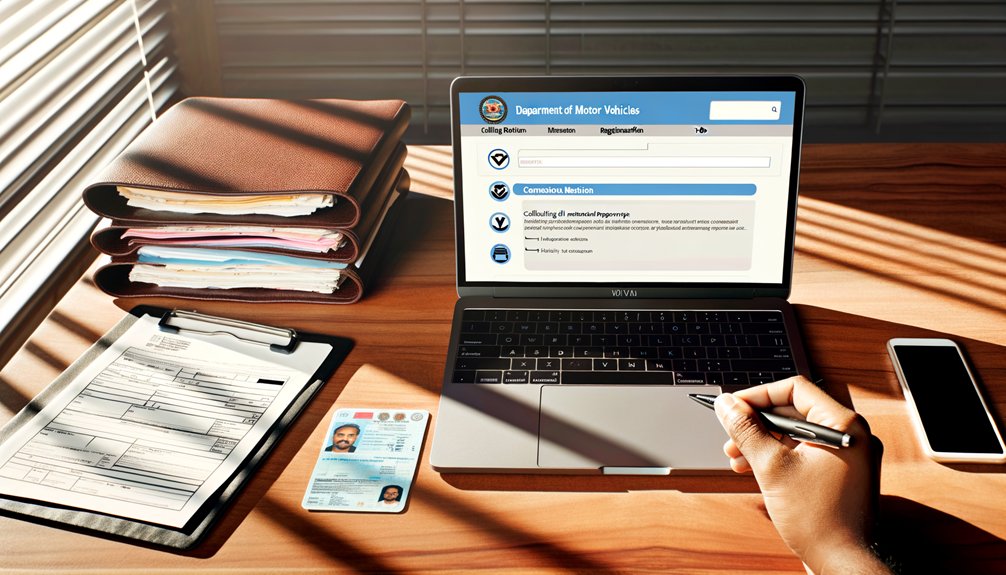
Before you head to the DMV, make sure you’ve gathered all necessary documentation to guarantee a smooth VIN processing experience. Start with your vehicle title, as it provides proof of ownership. Don’t forget to bring your driver’s license or ID, which verifies your identity. If you’re dealing with a used vehicle, obtain a bill of sale to confirm the transaction details. You’ll also need any previous registration documents if applicable. Additionally, gather any inspection certificates, especially if your vehicle requires one. Finally, make certain you have payment ready for any associated fees. By organizing these documents now, you’ll streamline the process, reduce wait times, and enhance your overall experience at the DMV. Remember that having all necessary documentation will significantly aid in the VIN verification process.
Understand the VIN Verification Process
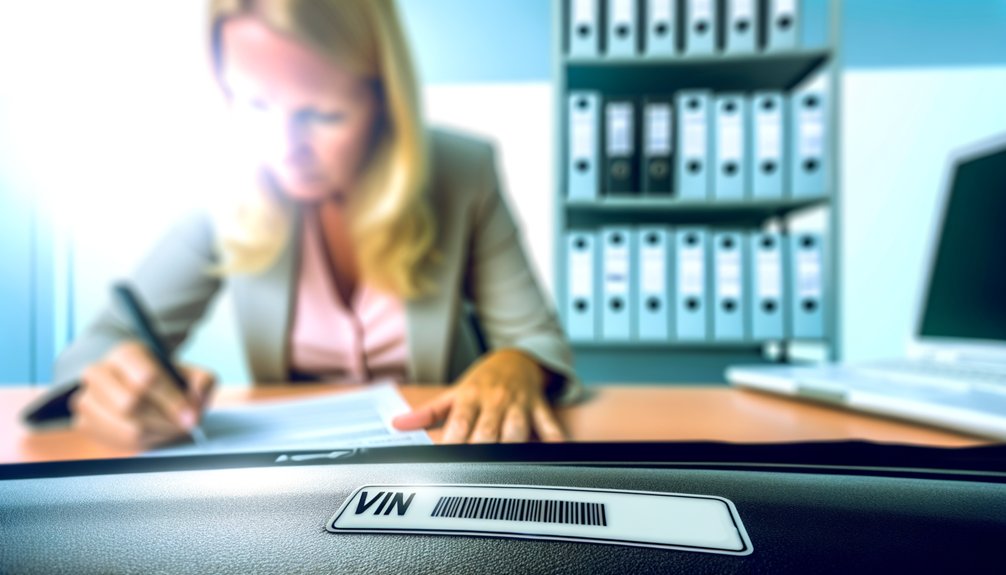
Understanding the VIN verification process is vital, as it guarantees your vehicle’s identity is accurately confirmed. The process involves checking your Vehicle Identification Number against state records to verify it matches the vehicle’s title and registration. You’ll need to provide the VIN, along with supporting documentation, such as your vehicle’s title and proof of ownership.
During the verification, the DMV verifies that the VIN isn’t associated with theft or other issues. It’s important to make sure your VIN is legible and correctly entered, as any discrepancies can delay processing. Being proactive about these details helps streamline your experience, allowing you to focus on the innovative features of your vehicle rather than administrative hurdles. Additionally, you should be aware that California compliance emissions labels are critical for registration and may affect the verification process.
Utilize Online Services for Efficiency
Once you’ve verified your VIN, leveraging online services can greatly streamline the DMV process. By utilizing the DMV’s website and mobile apps, you can save time and reduce frustration. Here’s how to make the most of these digital tools:
- Check VIN Status: Instantly verify the status of your VIN.
- Submit Documents: Upload necessary paperwork without a trip to the DMV.
- Track Processing: Monitor your application’s progress in real-time.
- Access Resources: Find guidelines, FAQs, and tutorials to aid your understanding.
- Pay Fees: Complete transactions securely online, avoiding long lines.
Additionally, you can ensure compliance with state regulations by following California Vehicle Code requirements during your online submissions.
Schedule Appointments in Advance
To guarantee a smooth visit to the DMV, it’s vital to schedule your appointments in advance. By doing so, you minimize wait times and guarantee that you’re seen promptly. The DMV often experiences high traffic, especially during peak hours or busy seasons. When you book your appointment ahead of time, you can plan your day more efficiently and allocate time for any unexpected delays. Use the DMV’s online scheduling tool to select a time that works best for you, giving you flexibility in your busy schedule. Remember, having an appointment also means you’ll receive better service and can complete your VIN processing without unnecessary stress. Prioritize this step for a more streamlined experience.
Double-Check Your Information Before Submission
Before you submit your VIN information, it’s essential to double-check every detail for accuracy. Small errors can lead to significant delays or complications in processing. Here’s what you should verify:
- VIN Number: Verify it matches your vehicle’s documentation.
- Owner’s Name: Confirm proper spelling and order of names.
- Address: Check for correct street, city, and zip code.
- Vehicle Make and Model: Make sure these details align with your registration.
- Contact Information: Provide up-to-date phone numbers and email addresses.
Taking the time to meticulously review your information not only streamlines the DMV process but also saves you from potential headaches down the line. Additionally, ensure that your vehicle meets California emission standards to avoid any compliance issues. Embrace this proactive approach for a smoother experience!
Frequently Asked Questions
What Should I Do if My VIN Is Incorrect?
If your VIN’s incorrect, you should gather your documents and contact the DMV. They’ll guide you through the correction process. Don’t delay, as it can affect registration and vehicle identification. Act quickly to resolve it.
Can I Process My VIN Application by Mail?
Yes, you can process your VIN application by mail. Just make certain you complete all required forms accurately, include necessary documentation, and send them to the appropriate DMV address. Don’t forget to check for any mailing fees!
How Long Does VIN Processing Typically Take?
VIN processing typically takes about 10 to 15 business days. If you’re looking for faster results, consider using online services or contacting your local DMV for updates. They can provide more specific timelines based on your situation.
Are There Any Fees Associated With VIN Verification?
Yes, there are fees associated with VIN verification. Typically, you’ll pay a small fee to the DMV or authorized service provider. Always check current rates to guarantee you’re prepared for any additional costs involved.
What if My Vehicle Is Not Registered in California?
If your vehicle isn’t registered in California, you’ll need to follow the state’s guidelines for out-of-state vehicles. Gather the necessary documents, complete any required inspections, and apply for registration at your local DMV.