How to Stay California Dmv-Compliant With VIN Inspections
July 1, 2025
DMV Penalties for Incomplete VIN Verification in California
July 1, 2025
When it comes to VIN verification, understanding the process is essential for a smooth experience. You’ll need to prepare by gathering relevant documents and locating the VIN on your vehicle. During the verification, guarantee accuracy and address any discrepancies directly with the verifier. After the appointment, a thorough review of your records can prevent future issues. But what common pitfalls should you watch out for in this process? Let’s explore.
Understanding VIN and Its Importance
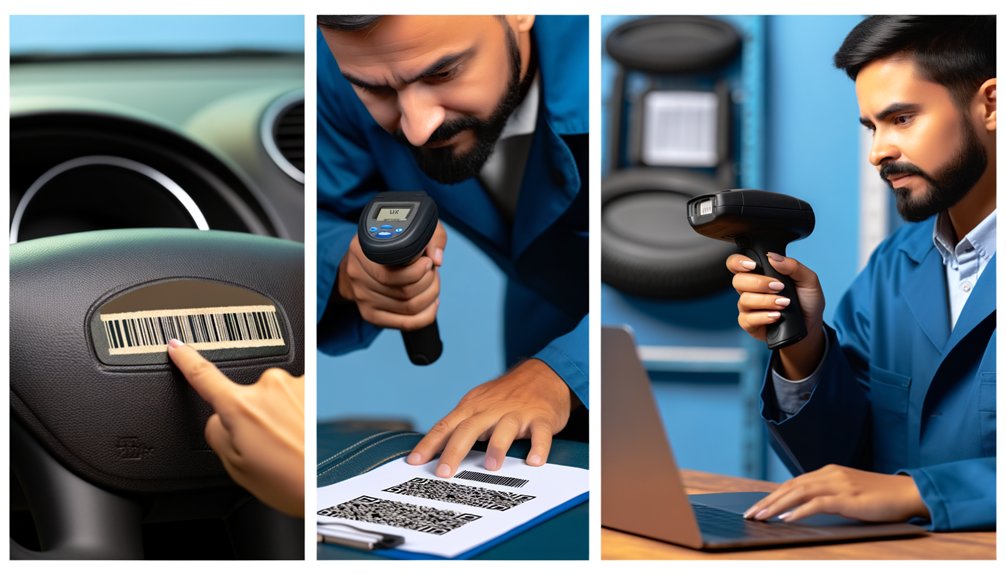
The Vehicle Identification Number (VIN) serves as a unique fingerprint for every automobile, encapsulating essential information about its make, model, and year of manufacture. Each VIN is a 17-character alphanumeric code that reveals not just the car’s identity, but also its history, including recalls, accidents, and ownership changes. By decoding the VIN, you can confirm the vehicle’s legitimacy and avoid potential fraud. This critical information empowers you, as a consumer, to make informed decisions when purchasing or insuring a vehicle. Additionally, understanding the VIN aids in tracking down parts for repairs and modifications, fostering innovation in automotive technology. Overall, the VIN is indispensable for anyone looking to navigate the complexities of vehicle ownership efficiently. Moreover, verifying the VIN is essential for vehicle registration in California, ensuring that you comply with local regulations and prevent issues down the line.
Preparing for VIN Verification
Before diving into the VIN verification process, it’s essential to gather all necessary documentation and information to streamline the experience. Start by locating your vehicle title, registration, and any previous inspection reports. Make certain you have a valid photo ID handy, as it’s often required for verification. Next, jot down your VIN, usually found on the dashboard or inside the driver’s side door. Familiarize yourself with the specifications of your vehicle, including model year and make, as this information may be requested. Finally, check for any outstanding recalls or liens against your vehicle. By preparing thoroughly, you’ll eliminate potential delays and enhance the efficiency of the verification process, allowing you to focus on what truly matters: your vehicle’s compliance and safety. Additionally, being aware of VIN verification requirements will help you avoid any complications during the inspection.
The VIN Verification Process Explained
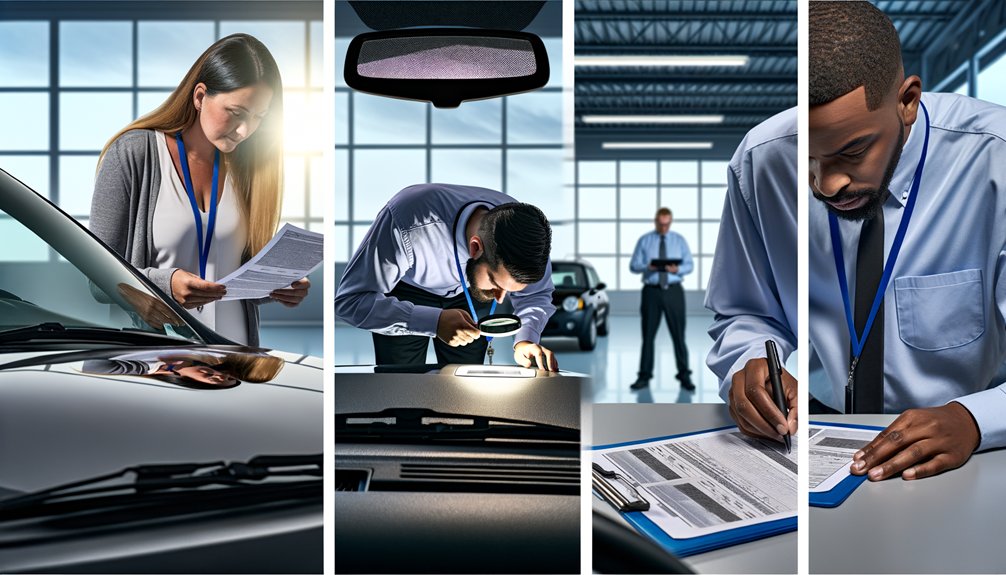
Once you’re prepared, the VIN verification process begins with a thorough examination of your vehicle’s identification number against the documentation you’ve gathered. You’ll need to make certain that the VIN on your vehicle matches the one on your title, registration, and any other relevant records. This step is vital, as discrepancies can lead to delays or complications. Next, the verifier may inspect various components of your vehicle, such as the engine and chassis, to confirm the VIN’s authenticity. During this process, it’s important to maintain clear communication with the verifier, addressing any questions or concerns promptly. By staying organized and attentive, you can facilitate a smooth verification, making sure that all aspects of your vehicle’s identity are accurately represented and validated. Additionally, ensure that your vehicle meets the California compliance emissions labels as this is critical for registration approval.
Post-Verification Steps
Completing the VIN verification process marks a critical shift to the post-verification steps, where you’ll need to guarantee that all necessary documentation is updated and accurate. First, review the records to confirm the vehicle’s details align with the information collected during verification. This includes checking title documents, registration papers, and insurance policies. If discrepancies arise, address them promptly to avoid future complications. Next, consider updating your digital records, ensuring they’re accessible and secure. You might also share the verified information with relevant stakeholders, such as insurers or dealers, to streamline future transactions. Finally, keep a well-organized file of all documents related to the VIN verification process, as this promotes transparency and aids in potential audits or inquiries down the line.
Common Issues and Solutions
Following the completion of the VIN verification process, you may encounter common issues that can complicate vehicle ownership or future transactions. One frequent problem is mismatched information, which can arise from clerical errors or outdated records. To resolve this, double-check all documents and work closely with the issuing authority to guarantee accuracy.
Another issue involves stolen vehicles, where the VIN may be flagged. If this occurs, promptly contact your local law enforcement to clarify the situation.
Additionally, discrepancies between the VIN and vehicle condition can lead to complications. Always conduct a thorough inspection and obtain a vehicle history report. By addressing these concerns proactively, you can streamline the ownership experience and safeguard your investment, guaranteeing that the verification process serves its intended purpose. Furthermore, ensure that your vehicle meets California emission standards to prevent registration issues.
Frequently Asked Questions
Can I Verify a VIN Online?
Yes, you can verify a VIN online through various platforms. Just enter the VIN into a trusted website, and it’ll provide you with detailed information about the vehicle’s history, ensuring you make informed decisions.
How Long Does the VIN Verification Process Take?
The VIN verification process usually takes anywhere from a few minutes to a couple of hours, depending on the method you choose and the complexity of the vehicle’s history. It’s efficient, but timing can vary.
Is VIN Verification Required for All Vehicles?
VIN verification isn’t required for all vehicles. Typically, it applies to specific circumstances like title transfers or registration. You should check local regulations to determine if your vehicle needs verification for compliance purposes.
What Documents Do I Need for VIN Verification?
You’ll need the vehicle’s title, registration, and a valid ID for VIN verification. Having these documents ready helps guarantee a smooth process, allowing for quick confirmation of your vehicle’s identity and ownership without unnecessary delays.
What Happens if My VIN Is Not Recognized?
If your VIN isn’t recognized, you should double-check for errors. Contact your vehicle manufacturer or local DMV for assistance. They can help resolve discrepancies, ensuring your vehicle’s identity is accurate and properly documented.