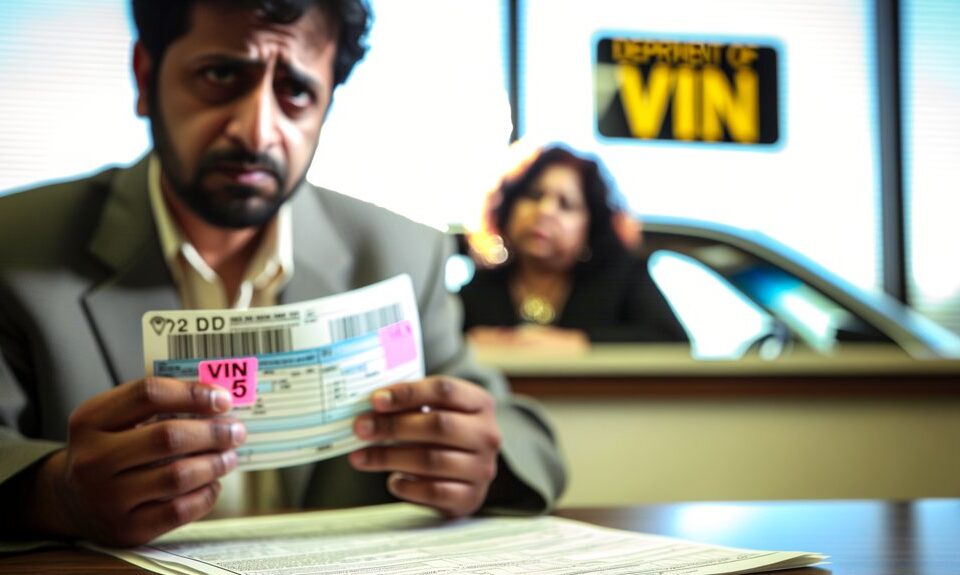
California DMV VIN Verification Checklist
June 30, 2025
Does the California DMV Accept Mobile VIN Verifications?
June 30, 2025
When you’re looking to transfer a vehicle title in California, understanding VIN verification requirements is essential. This process applies primarily to out-of-state vehicles, those lacking titles, or salvaged cars. You’ll need specific documentation to navigate this requirement effectively, ensuring a smooth interaction with the DMV. Knowing what’s needed can save you time and hassle. Let’s break down who needs VIN verification and how you can get it done.
Understanding VIN Verification
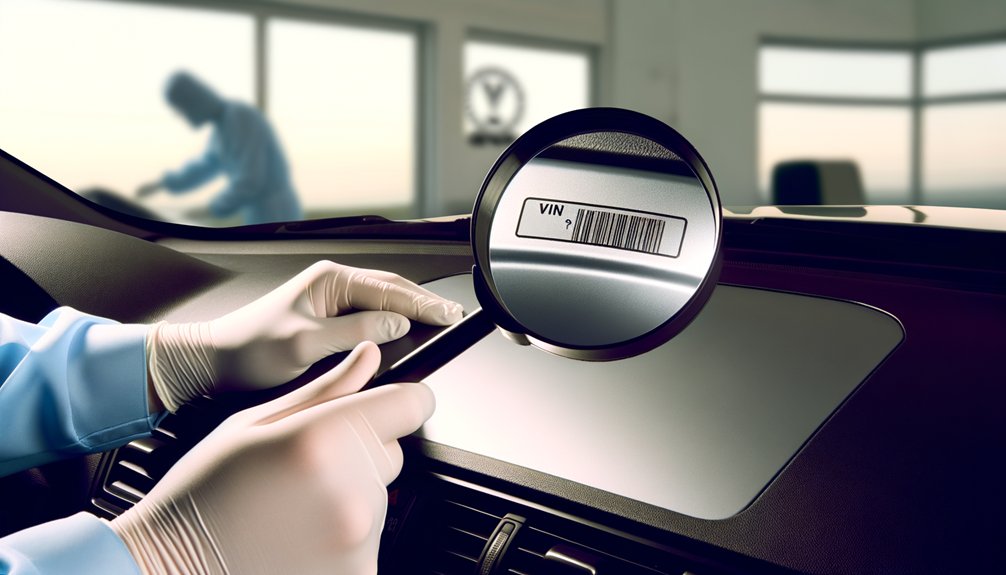
When you’re dealing with vehicle registration or title transfers in California, understanding VIN verification is vital. The Vehicle Identification Number (VIN) serves as a unique identifier for your vehicle, important for confirming its authenticity and ownership. In California, VIN verification involves inspecting the vehicle’s VIN to verify it matches the documentation provided. This process is typically required for out-of-state vehicles, vehicles with no title, or if the vehicle’s identification has been altered. You’ll need to provide specific documents, such as your driver’s license and proof of ownership. Utilizing authorized personnel for this verification can streamline the process, guaranteeing compliance with DMV regulations while enhancing the accuracy of vehicle records. Embrace this step to innovate your vehicle registration experience. Additionally, it’s essential to choose the right verifier, as private verifiers offer convenience that can significantly expedite the process.
Who Needs VIN Verification?
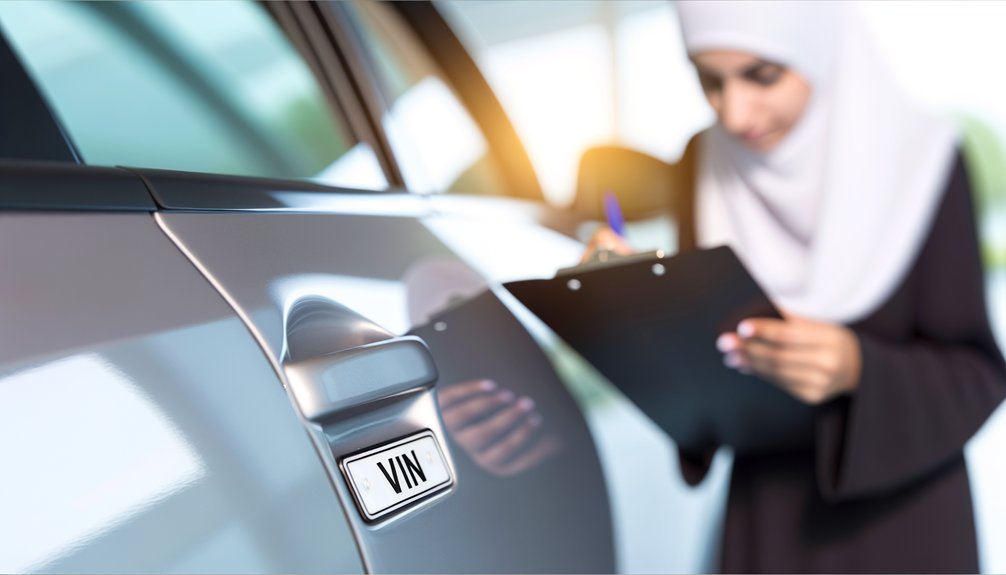
Whether you’re registering an out-of-state vehicle, transferring ownership of a car without a title, or addressing discrepancies in a vehicle’s identification, you’ll need VIN verification. This essential step guarantees that the vehicle’s history aligns with its identification number, safeguarding against fraud and illegal activity. VIN verification is particularly important for individuals purchasing salvaged or rebuilt vehicles, as it confirms the legal status and origin of the car. If you’re a dealer or collector, verifying the VIN helps maintain compliance with regulations and preserves the integrity of your inventory. Likewise, if you’re importing a vehicle from out of state, VIN verification is critical to meet California’s stringent registration requirements. Additionally, keep in mind that California compliance emissions labels are crucial for registration approval. Always confirm you have the necessary documentation ready for a smooth process.
Where to Get VIN Verification Done

After determining that you need VIN verification, the next step is knowing where to get it done. You have several options for obtaining this essential verification in California:
- Licensed DMV Inspectors: Schedule an appointment for a thorough inspection.
- Certified Private VIN Verification Services: Find local businesses that specialize in VIN verification.
- Law Enforcement Agencies: Some police departments offer VIN verification services, particularly for salvaged vehicles.
- Auto Clubs: Membership organizations often provide VIN verification as a member benefit.
- Mobile Verification Services: Look for companies that send certified inspectors to your location for convenience.
Additionally, it’s important to ensure that the verification is performed by licensed verifiers to comply with state regulations efficiently. Choose the option that best fits your needs, ensuring you comply with California DMV regulations efficiently.
Required Documentation for VIN Verification
To successfully complete VIN verification in California, you’ll need to gather specific documentation. This guarantees a smooth process and compliance with DMV regulations. Here’s a concise list of the required documents:
| Document Type | Description |
|---|---|
| Vehicle Title | Current title showing ownership |
| Valid ID | Government-issued identification |
| VIN Verification Form | Completed form from verifier |
| Proof of Insurance | Policy document or card |
Make certain each document is accurate and up-to-date. Having these items ready will expedite your VIN verification and facilitate the title transfer process. Stay organized and double-check your documentation to avoid any delays at the DMV.
Steps to Complete the Title Transfer Process
Completing the title transfer process in California involves several key steps once you’ve gathered the necessary documentation for VIN verification. To guarantee a smooth changeover, follow these steps:
- Visit your local DMV office or use their online services.
- Complete the Application for Title or Registration (Form REG 343).
- Provide proof of VIN verification, such as a form signed by a certified verifier.
- Pay any applicable fees for title transfer.
- Submit all documentation and retain copies for your records. Additionally, ensure that you have the MCO/MSO to confirm compliance with California emission standards.
Frequently Asked Questions
Can I Perform VIN Verification Myself?
You can’t perform VIN verification yourself unless you’re a licensed professional. Instead, you should seek assistance from authorized personnel or certified agencies to guarantee accuracy and compliance with regulations, which streamlines your vehicle registration process.
How Much Does VIN Verification Typically Cost?
Typically, VIN verification costs range from $20 to $50, depending on the provider. You can often find competitive rates through authorized agencies or local mechanics. Always compare prices to guarantee you’re getting the best value.
Is VIN Verification Required for Out-Of-State Vehicles?
Yes, you’ll need VIN verification for out-of-state vehicles during the registration process in many jurisdictions. This guarantees the vehicle’s identity matches its documentation, preventing fraud and ensuring compliance with state regulations.
What Happens if VIN Verification Fails?
If VIN verification fails, you’ll face delays in registration or titling. You’ll need to address discrepancies, which may involve additional documentation or inspections. Resolving these issues promptly guarantees a smoother vehicle ownership experience.
How Long Is a VIN Verification Valid?
A VIN verification typically remains valid for 90 days from the date of issuance. Confirm you complete your title transfer within this timeframe to avoid complications, as expired verifications may require you to repeat the process.