How to Resolve Discrepancies Found During VIN Verification
August 8, 2024
The Impact of VIN Verification on Vehicle Resale Value
August 8, 2024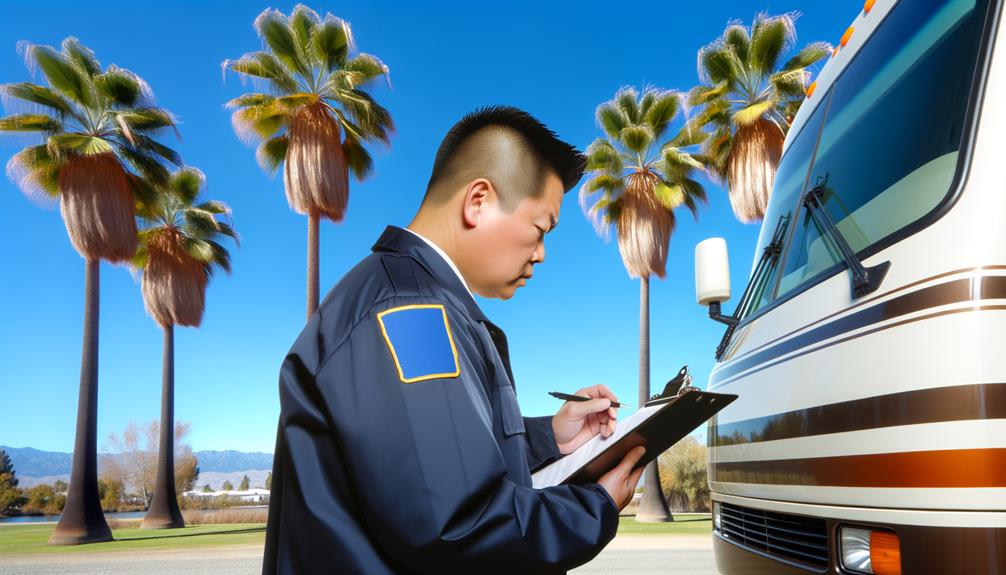
If you're looking to register your RV or motorhome in California, you'll need to navigate the VIN verification process, especially when bringing in a vehicle from out of state. This step ensures that your vehicle's identification matches the records, a fundamental requirement that prevents potential legal and safety issues. Besides the traditional verification methods, you might wonder about the nuances that could affect your specific situation, such as the inspection criteria or the documentation needed, such as the REG 31 form. What's less clear, however, is how recent changes in regulations might impact your registration process. What should you be aware of to avoid delays or complications?
Understanding VIN Verification
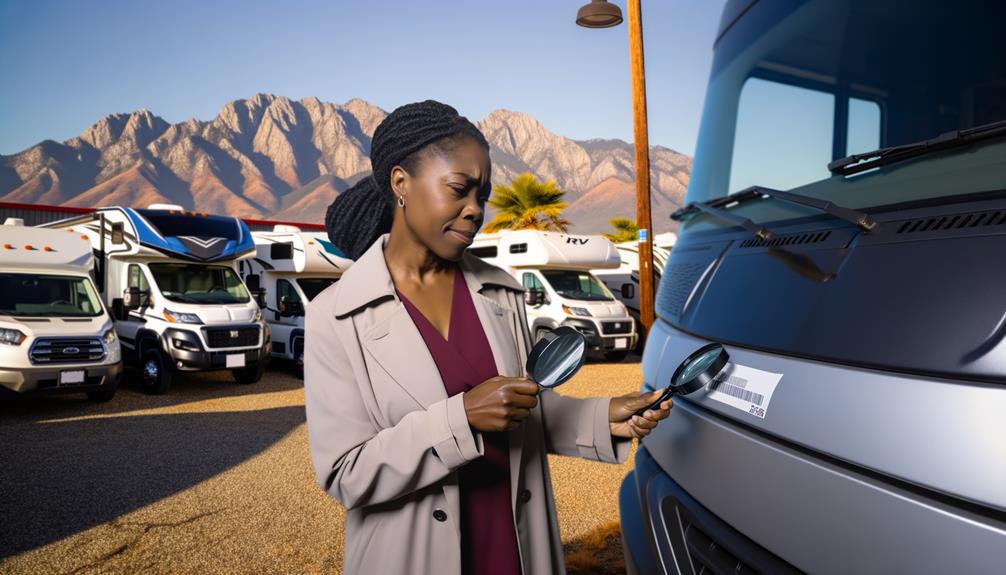
To register your RV or motorhome in California, you'll first need to complete a VIN verification to ensure your vehicle is recognized by the state's DMV. This step is crucial, especially if you're bringing in freedom on wheels from out of state or if it's the first time your vehicle is entering the California DMV system.
The VIN verification process isn't just a formality; it's your ticket to exploring the open roads without a hitch. You'll go through a physical inspection where the California DMV checks that your vehicle's identification number matches the one on your title. This is done using the REG 31 form, a critical piece of documentation that proves your RV or motorhome is legit.
Keep in mind, your primary VIN should be clearly visible on the windshield if your vehicle was made in 1970 or later. Any secondary VINs must also be legible. Don't forget to bring along supporting ownership documents like the title or MCO—these aren't mandatory but can smooth the way forward.
Be aware, vehicles with tampered safety labels will be turned away, so make sure everything is in order before you head to the DMV. This verification safeguards your freedom to roam, ensuring that your adventure-mobile is road-ready and recognized.
Inspection Criteria Details
When undergoing VIN verification for your RV or motorhome, inspectors use the REG31 form to document essential details like the vehicle's year, make, model, and VIN location. This form is your gateway to ensuring everything's in check and officially recognized, paving the way for adventures that lie ahead.
The inspection doesn't just stop at paperwork. Inspectors will examine your motorhome's compliance with the US Federal Certification Label, which includes verification of the fuel type and odometer reading. This ensures your vehicle meets safety and environmental standards, keeping you road-ready and worry-free.
Another key aspect scrutinized during the inspection is the toilet requirement. If your motorhome has a portable toilet, it might still pass muster, provided it aligns with the state's specifications. This flexibility allows you to maintain your mobile lifestyle without hitch.
Modifications to your RV or motorhome are also under the spotlight. Any alterations need to meet specific criteria to maintain the integrity and functionality of your motorhome. Failing to comply can snag your registration process, tying you down when you should be moving freely.
Registration Steps for Out-of-State
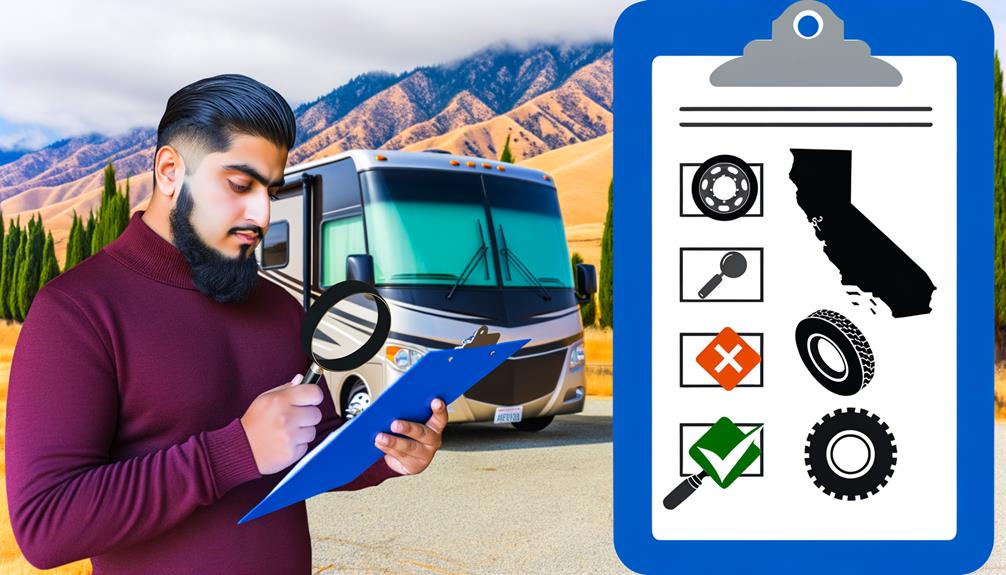
You'll need to provide the out-of-state title and a completed Form REG 256A to register your RV or motorhome in California. This step is your gateway to exploring the vast landscapes and freedom that the Golden State offers.
As part of the registration process, the California DMV might require a VIN verification to ensure your out-of-state RV matches its documentation. This verification often includes a physical inspection of your vehicle, confirming the vehicle identification number (VIN) against your title.
If your RV isn't listed in the California DMV database, you'll undergo a detailed VIN inspection. This step is crucial for maintaining the integrity of your documentation and ensuring you're all set for your adventures.
Don't forget, if your RV runs on gas or certain diesel engines, a smog certification will also be necessary. This isn't just a requirement; it's a contribution to the state's efforts in maintaining air quality.
Always check the latest DMV policies, as they can vary and affect your registration process. Each DMV office might interpret the rules slightly differently, so being informed will help you navigate this smoothly.
Verification Locations and Costs
Several options are available for getting your RV's VIN verified in California, each with different costs and conveniences.
If you're looking for flexibility, Quick VIN Verification offers mobile services tailored to those who value their time. You can expect to pay between $100-$200 for mobile verification in Riverside County, or opt for a cheaper in-office session at $50. This could be your go-to if you prefer handling things from the comfort of your motorhome.
Alternatively, if you're an AAA member, take advantage of their VIN verification services. However, keep in mind, they don't provide mobile inspections, so you'll need to visit their locations.
For a cost-free option, the California DMV and the California Highway Patrol (CHP) conduct VIN verifications without any charge. The DMV might be your straightforward choice, yet remember, a smooth process hinges on having all your supporting documents organized. The CHP requires a referral but is an excellent alternative if you're looking for thorough verification.
Required Documentation Overview
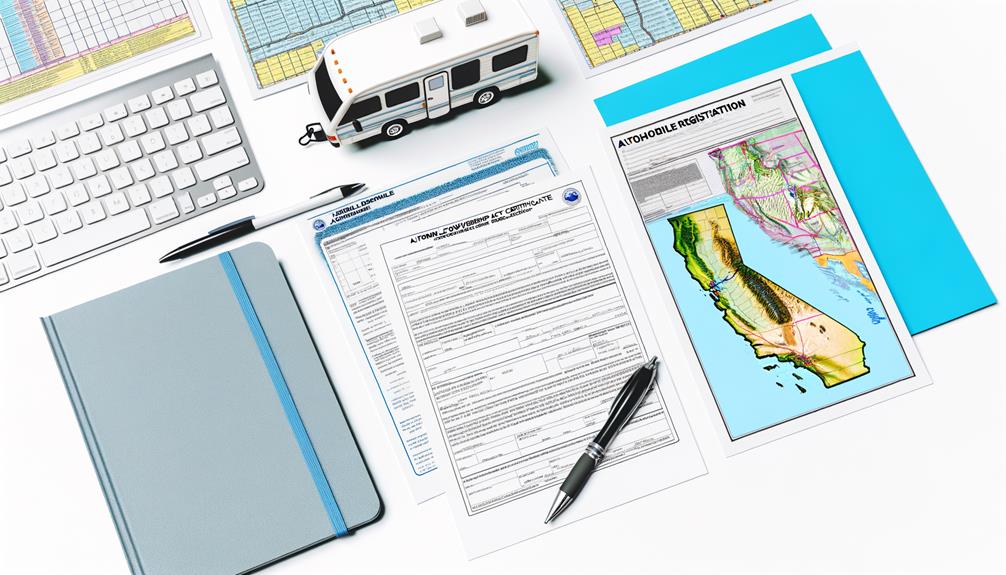
To verify your RV's VIN in California, you must present ownership documents like the title, registration card, or manufacturer's certificate of origin. These vital papers prove you're the rightful owner and set you on the path to freedom on the open road. Remember, each document serves as your ticket to a hassle-free adventure, ensuring your motorhome complies with state regulations.
Additionally, your RV or motorhome needs to showcase the primary VIN on the windshield if it's a model from 1970 or newer. A secondary VIN should also be clear on the Federal Certification Label. This dual-display not only aligns with California's safety protocols but also secures your travels, letting you explore with peace of mind.
Don't forget the EPA Emissions Label, which is crucial for any RV manufactured after 1968. This label confirms your motorhome meets the necessary emissions standards, helping preserve the beautiful California landscapes you love to roam.
Lastly, recording the odometer mileage during the VIN verification process is essential. It documents your RV's history and usage, providing transparency and trust in your mobile haven's lifespan. While additional supporting documents aren't mandatory, having them can smooth out the verification process, letting you hit the road quicker.
Frequently Asked Questions
Is VIN Verification Required in California?
Yes, you'll need VIN verification in California to register your vehicle, ensuring it meets state standards and confirming its legitimacy. This process is essential for maintaining your freedom to roam in your RV or motorhome.
What Do I Need to Register My RV in California?
To register your RV in California, you'll need an out-of-state title, Form REG 256A for motorhomes, proof of smog certification if relevant, and ownership documents like the title or MSO.
Does AAA Do VIN Verification in California?
Yes, AAA does offer VIN verification in California. You'll need to schedule an appointment and ensure you have all required documents. It's a free service for members, making it a convenient option.
How Much Is a VIN Verification in California?
You'll find VIN verification in California can cost around $125, but prices vary. The DMV offers it for free, or you might pay up to $200 for mobile services depending on your location.