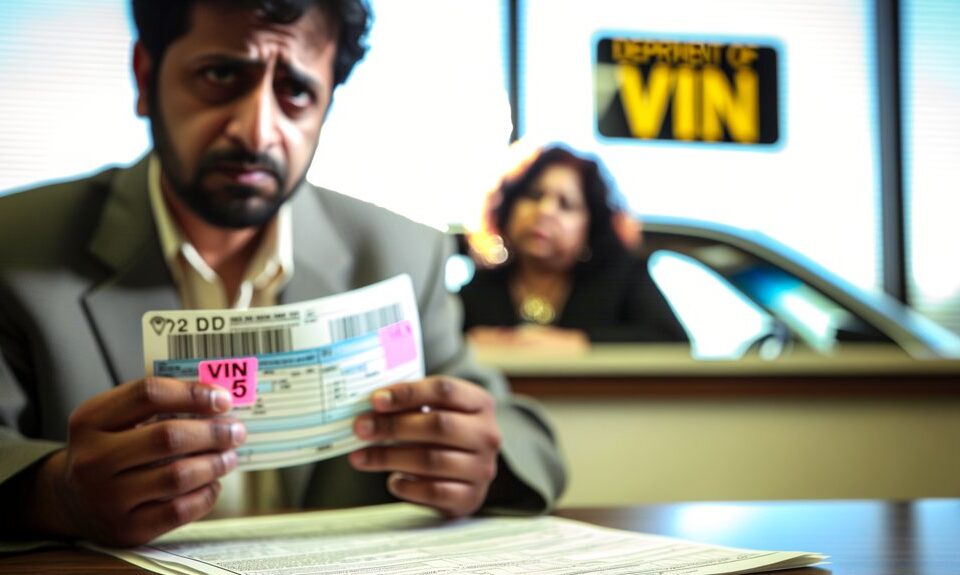
Top Tips for Smooth California DMV VIN Processing
June 30, 2025
Do VIN Verifiers Need a License in California?
June 30, 2025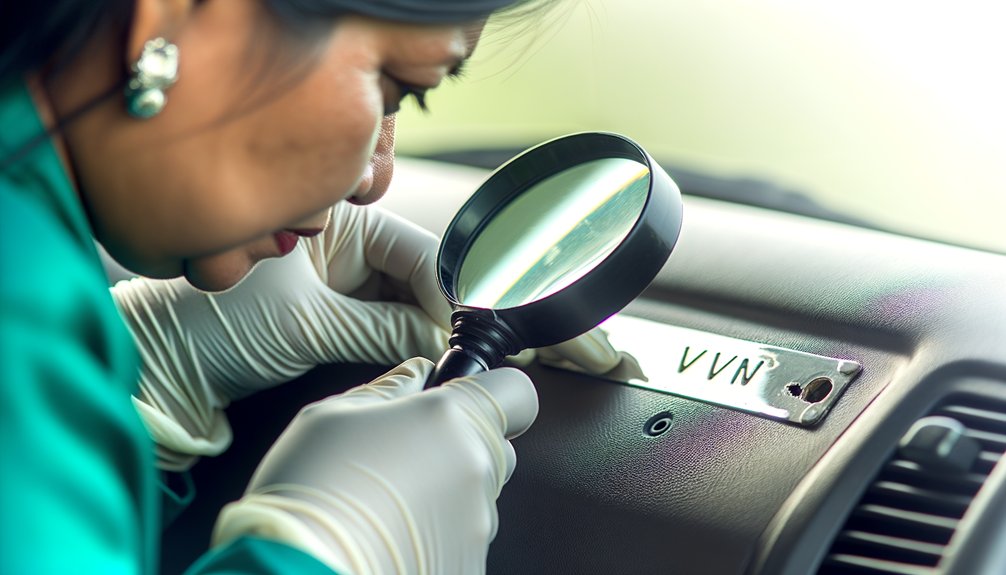
When you’re involved in buying or selling a vehicle, understanding the role of a VIN verifier is essential. They meticulously inspect the Vehicle Identification Number (VIN) to confirm its accuracy, cross-referencing it with various documents and databases. This process isn’t just a formality; it helps prevent fraud and theft, assuring compliance with regulations. But what specific methods do they employ to secure the authenticity of a vehicle’s history?
Understanding the Vehicle Identification Number (VIN)
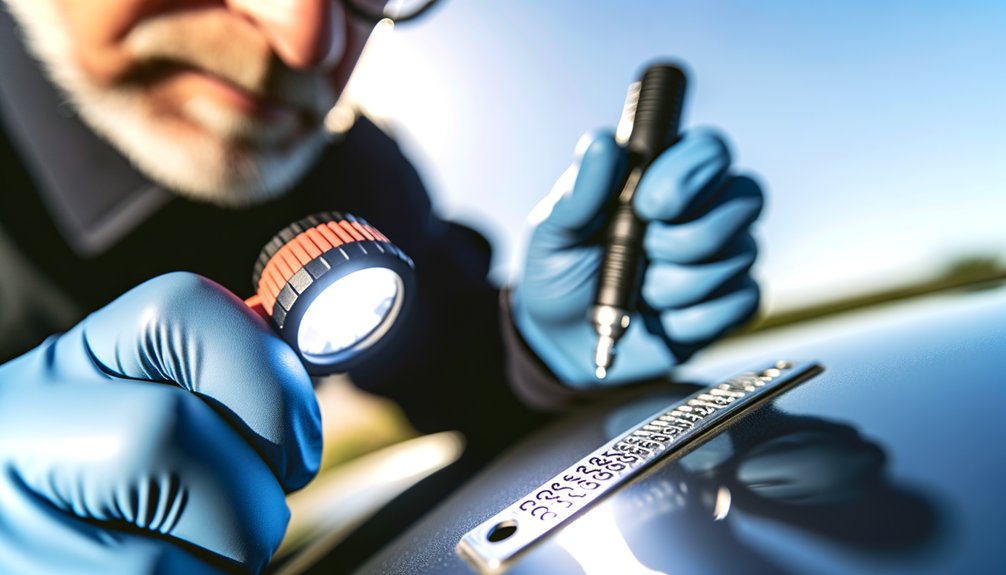
The Vehicle Identification Number (VIN) serves as a unique fingerprint for every vehicle, encapsulating essential information about its make, model, and year of manufacture. Comprised of 17 characters, the VIN includes both digits and letters, each segment conveying specific data. The first three characters represent the World Manufacturer Identifier (WMI), identifying the manufacturer and country of origin. The next six characters detail the vehicle attributes, such as body style and engine type. The ninth character serves as a security check, while the tenth indicates the model year. Finally, the last seven characters provide a unique serial number. Understanding the VIN is vital for regulatory compliance, ownership verification, and ensuring vehicle safety standards are met, making it an indispensable tool in the automotive industry. VIN verification is also essential for vehicle registration in California, as it helps prevent fraud and theft.
The Role of a VIN Verifier
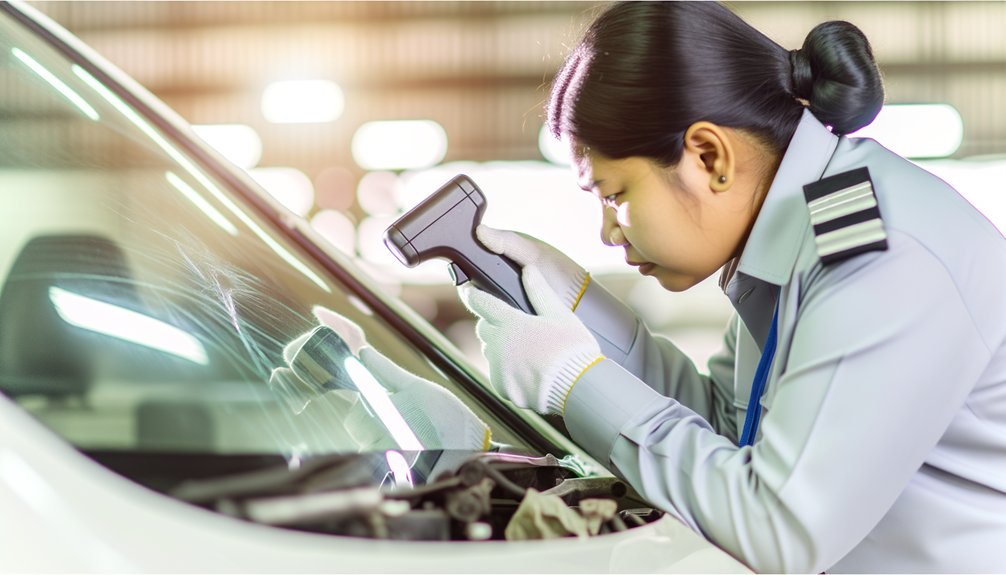
A VIN verifier plays a pivotal role in the automotive industry by guaranteeing that the information encoded in the Vehicle Identification Number is accurate and compliant with regulatory standards. You’re tasked with various responsibilities that contribute to the integrity of vehicle transactions. These include:
- Inspecting VINs: Verifying the physical VIN against documentation to guarantee consistency.
- Regulatory Compliance: Guaranteeing all vehicles meet local and federal laws, preventing illegal sales.
- Data Entry Accuracy: Inputting and updating VIN information in databases to maintain accurate records.
- Fraud Prevention: Identifying discrepancies that could indicate theft or fraud, safeguarding consumers and businesses.
Your expertise helps maintain trust in the automotive marketplace, paving the way for innovative vehicle transactions. Additionally, you must stay informed about licensing and regulations that govern VIN verification to ensure your practices align with state laws.
Importance of VIN Verification in Vehicle Transactions
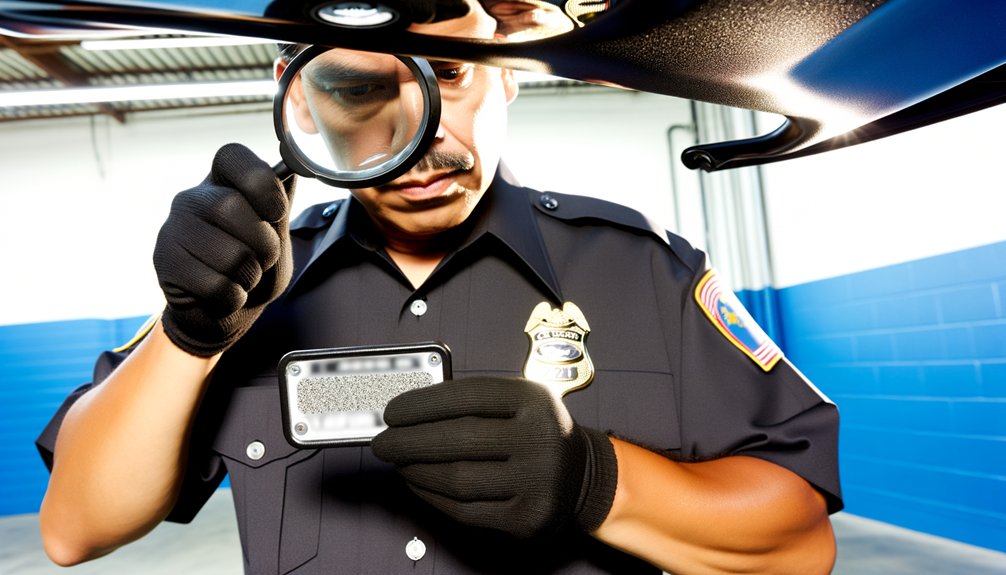
Ensuring VIN verification is vital in vehicle transactions, as it directly impacts the safety and legality of the purchase. By confirming the Vehicle Identification Number, you protect yourself from potential fraud, ensuring the car’s history aligns with its advertised status. This process identifies if the vehicle has been stolen, salvaged, or has outstanding liens, which can lead to legal complications. In addition, accurate VIN verification aids in compliance with state regulations, safeguarding your investment. As the automotive landscape evolves, integrating advanced verification technologies can enhance accuracy and efficiency, making transactions smoother. Ultimately, thorough VIN verification fosters trust between buyers and sellers, promoting a transparent marketplace where innovation thrives. Prioritizing this step is vital for a secure vehicle transaction. Additionally, VIN verification services can be performed for free by DMV or CHP, further emphasizing its accessibility and importance in the registration process.
Common Methods Used in VIN Verification
Various methods are employed to verify a Vehicle Identification Number (VIN), each offering unique advantages for confirming accuracy and compliance. Understanding these techniques can enhance your verification process and validate vehicle integrity.
- Physical Inspection: You’ll examine the VIN plate on the vehicle, confirming it matches the documentation and is not tampered with.
- Database Checks: Accessing national and state databases helps confirm ownership history and any reported issues.
- Documentation Review: Analyzing the vehicle’s title, registration, and service records confirms consistency with the VIN.
- Odometer Verification: Cross-referencing the odometer reading with records can identify potential fraud or discrepancies.
Additionally, it’s essential to ensure that the vehicle meets California emission standards, as this is a critical aspect of compliance in the verification process. Utilizing these methods guarantees a thorough VIN verification, maximizing compliance and mitigating risks in vehicle transactions.
How to Choose a Reliable VIN Verifier
When selecting a reliable VIN verifier, it’s essential to take into account their qualifications and experience to guarantee accurate and compliant verification. Look for verifiers who are certified and have a proven track record in vehicle identification processes. Verify their familiarity with state regulations and industry standards, as this knowledge guarantees adherence to legal requirements. Additionally, consider their access to cutting-edge technology and databases, which can enhance verification accuracy. Client testimonials and reviews can provide insight into their reliability and professionalism. Finally, assess their responsiveness and customer service, as effective communication is critical during the verification process. By choosing a verifier with these attributes, you’ll guarantee a smooth and trustworthy VIN verification experience.
Frequently Asked Questions
How Much Does a VIN Verification Typically Cost?
VIN verification costs typically range from $50 to $150, depending on your location and service provider. It’s essential to compare prices and guarantee you’re getting a thorough, compliant verification to safeguard your investment.
Can I Verify a VIN Myself?
You can verify a VIN yourself by checking official databases like the National Highway Traffic Safety Administration. Make certain you have accurate information and follow regulatory guidelines to avoid potential issues with vehicle ownership or registration.
What Happens if a VIN Is Fraudulent?
If you discover a fraudulent VIN, you should report it immediately to law enforcement and relevant regulatory agencies. Ignoring it can lead to serious legal repercussions and undermine vehicle ownership legitimacy in the marketplace.
How Long Does a VIN Verification Take?
A VIN verification typically takes about 30 minutes to an hour, depending on the complexity of the vehicle’s history and any discrepancies. You should guarantee all relevant documents are ready to expedite the process.
Are VIN Verifiers Certified or Licensed Professionals?
Yes, VIN verifiers are often certified or licensed professionals, ensuring compliance with regulatory standards. You’ll find they possess specialized training, enhancing accuracy and trust in the vehicle identification process, which is essential for innovation in automotive transactions.