The Difference Between a DMV Agent and a VIN Verifier
June 30, 2025
Certified VIN Verifiers vs. CHP — Who Should You Use?
June 30, 2025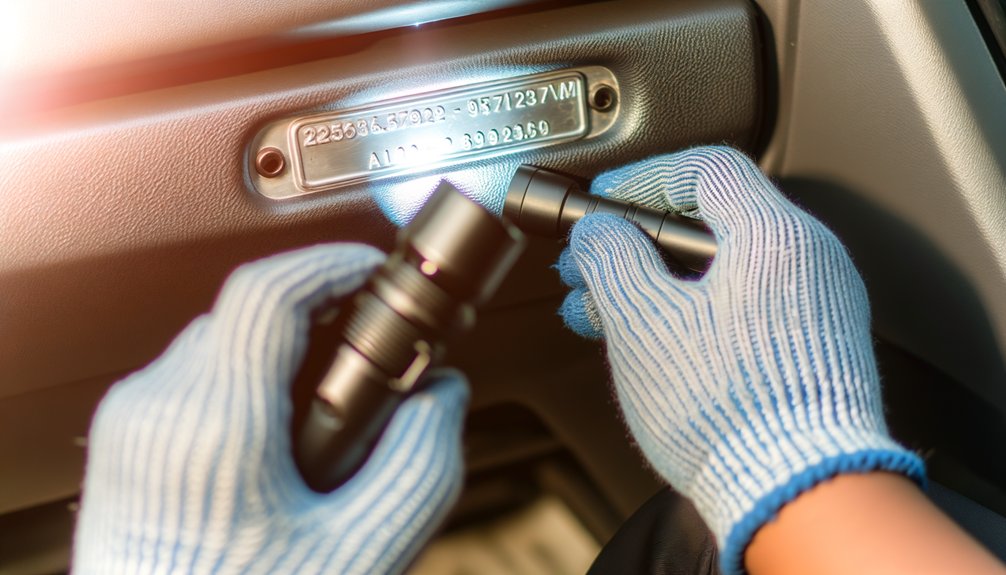
When your VIN verifier conducts an inspection, they’re not just checking numbers; they’re meticulously evaluating multiple components of your vehicle’s identity. They’ll scrutinize areas like the dashboard, door jamb, and engine block for the VIN’s placement, while also looking for signs of tampering. This process is essential in determining the authenticity and history of your vehicle. But what happens if discrepancies arise during this thorough examination?
Verification of VIN Placement
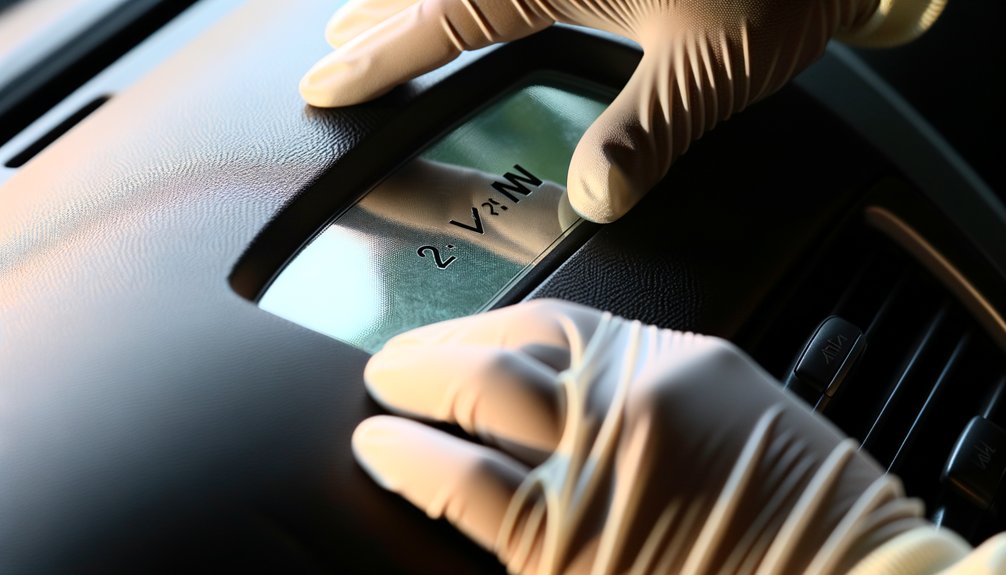
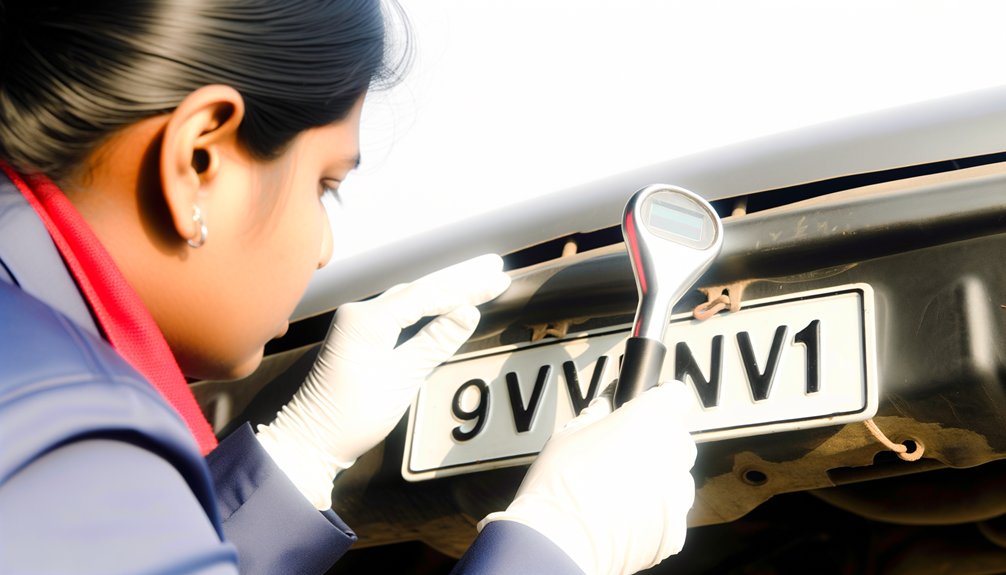
When you’re verifying the Vehicle Identification Number (VIN) placement, it’s important to know exactly where to look. Start by examining the dashboard near the windshield; this area usually displays the VIN clearly. Next, check the driver’s side door jamb, where you’ll find a sticker or a metal plate with the VIN stamped. Don’t overlook the engine compartment—sometimes, manufacturers place the VIN on the engine block itself. Additionally, inspect the frame under the vehicle for any engraved VINs; this can help maintain the integrity of the vehicle’s identity. Each of these locations serves as a critical point for validation, so be thorough. Remember, proper placement verification is crucial for confirming authenticity and avoiding potential fraud. Ensuring accurate vehicle identification during the inspection process is essential for compliance with state regulations.
Examination of Vehicle History
While you might focus on the physical aspects of the vehicle, examining its history is equally essential to understanding its past. This examination uncovers critical insights that can impact your ownership experience.
- Accident Reports: Identify any previous collisions that could affect safety and performance.
- Title Records: Check for salvage, rebuilt, or flood titles that may indicate significant past issues.
- Service History: Review maintenance records to gauge how well the vehicle has been cared for.
Diving deep into a vehicle’s history not only reveals its reliability but also helps you avoid potential pitfalls. By prioritizing this analysis, you empower yourself with knowledge, ensuring that your investment aligns with your expectations for innovation and quality. Additionally, understanding the importance of California compliance emissions labels can be crucial for registration approval in the state.
Inspection of Title and Registration Documents
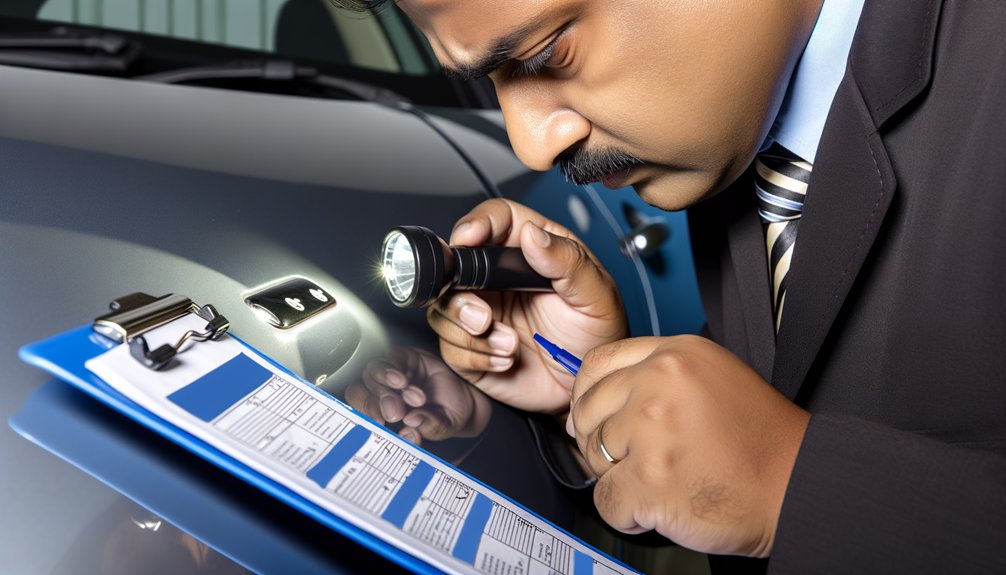
Before finalizing your vehicle purchase, inspecting the title and registration documents is crucial, as these records provide essential proof of ownership and can reveal any underlying issues. You’ll want to verify that the Vehicle Identification Number (VIN) on the title matches the one on the vehicle; discrepancies can indicate fraud or theft. Check for any liens listed, as unpaid debts can unexpectedly complicate your ownership. Additionally, confirm the seller’s name on the title matches their identification, confirming their right to sell the vehicle. Don’t overlook the registration date; expired registrations can lead to fines or legal troubles. Thoroughly reviewing these documents safeguards your investment and promotes a smooth change into ownership. Stay informed and proactive to avoid potential pitfalls. Furthermore, it’s vital to understand that VIN verification is essential for vehicle registration in California, ensuring that your newly acquired vehicle can be legally registered without complications.
Identification of Alterations or Damage
As you inspect the vehicle, identifying any alterations or damage is essential to ensuring you’re making a sound investment. A thorough examination can reveal hidden issues that may affect the vehicle’s value and safety. Look for:
- Inconsistent paintwork: Variations in color or texture may indicate previous repairs or tampering.
- Unusual welds or gaps: These can signal structural modifications that compromise integrity.
- Signs of rust or corrosion: Damage from water exposure can lead to costly repairs down the line.
Cross-Referencing With National Databases
After identifying any alterations or damage during your inspection, the next step involves cross-referencing the vehicle’s information with national databases. This process guarantees that the vehicle’s history aligns with its current state, revealing vital data such as title status, accident history, and outstanding recalls. Utilizing these databases helps you verify authenticity and uncover any hidden issues that may affect the vehicle’s value or safety.
| Database | Information Retrieved | Importance |
|---|---|---|
| NMVTIS | Title and theft records | Prevents fraud |
| Carfax | Accident and service history | Informs potential buyers |
| NHTSA | Recall information | Guarantees safety compliance |
| AutoCheck | Vehicle history report | Improves resale value |
| State DMV | Registration status | Confirms legal ownership |
Frequently Asked Questions
How Long Does a VIN Verification Inspection Typically Take?
A VIN verification inspection usually takes about 15 to 30 minutes. It depends on various factors like vehicle condition and documentation. Staying organized can help expedite the process, ensuring a smooth experience for you.
What Happens if the VIN Is Not Found?
If the VIN isn’t found, you’ll face delays in your vehicle registration. You may need to provide additional documentation or undergo further inspections to verify ownership, ensuring your vehicle meets all legal requirements for compliance.
Can I Perform a VIN Verification Myself?
Yes, you can perform a VIN verification yourself. Gather necessary documents, locate the VIN, and verify it matches official records. However, for accuracy and compliance, consider consulting a professional for thorough validation.
Are There Fees Associated With VIN Verification?
Yes, there’re fees associated with VIN verification. These costs can vary based on location and the service provider you choose, so it’s wise to research and compare options to find the best deal for your needs.
What Should I Bring for a VIN Verification Inspection?
For a VIN verification inspection, bring your vehicle’s title, registration documents, and a valid photo ID. Having these ready guarantees a smooth process, helping you avoid delays and assuring accurate verification of your vehicle’s identity.