Can I Take My VIN Verifier Paperwork Directly to the DMV?
July 1, 2025
Is the CHP the Only Place to Do VIN Inspections in California?
July 1, 2025
If the DMV is asking you for a VIN verification, it’s likely to guarantee that the vehicle’s identification number aligns with your title and registration documents. This step is essential, especially when you buy from a private seller or an out-of-state source. Understanding the reasons behind this request can help you navigate the process smoothly. So, what exactly does VIN verification entail, and how can you prepare for it?
What Is a VIN and Why Is It Important?
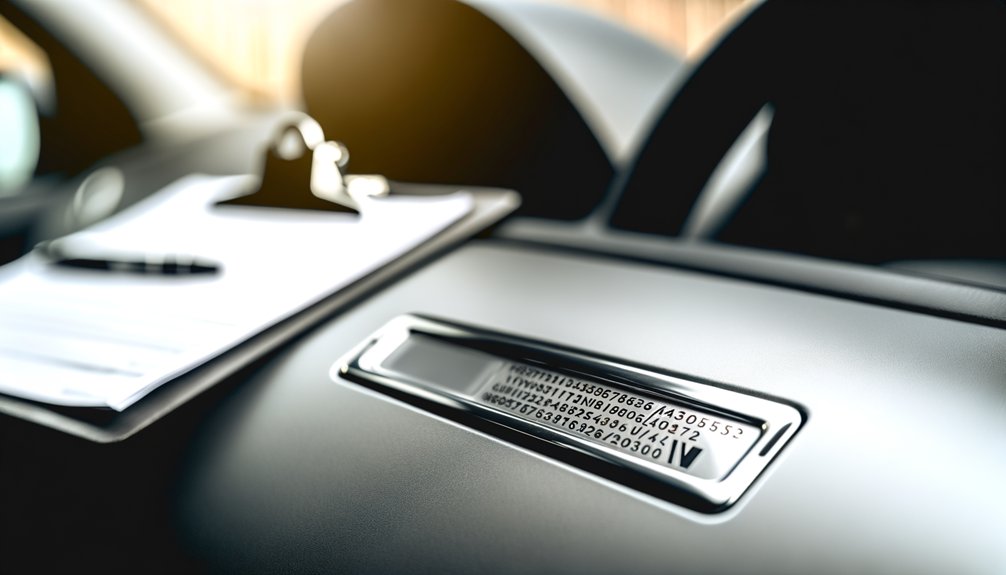
A Vehicle Identification Number (VIN) is a unique 17-character code assigned to every motor vehicle, serving as its fingerprint. It plays an important role in identifying your vehicle’s make, model, year, and country of origin. The VIN is vital for various processes like registration, insurance, and resale. When you provide your VIN, it allows authorities and potential buyers to access significant information about your vehicle’s history, including any accidents or recalls. This transparency builds trust and guarantees compliance with regulations. As vehicles become increasingly connected and automated, the importance of a VIN in tracking and verifying vehicle data continues to grow, making it a cornerstone of modern automotive innovation. Understanding your VIN empowers you in a rapidly evolving landscape. Additionally, VIN verification is essential to ensure accurate vehicle identification and compliance with state regulations.
Common Reasons for VIN Verification Requests
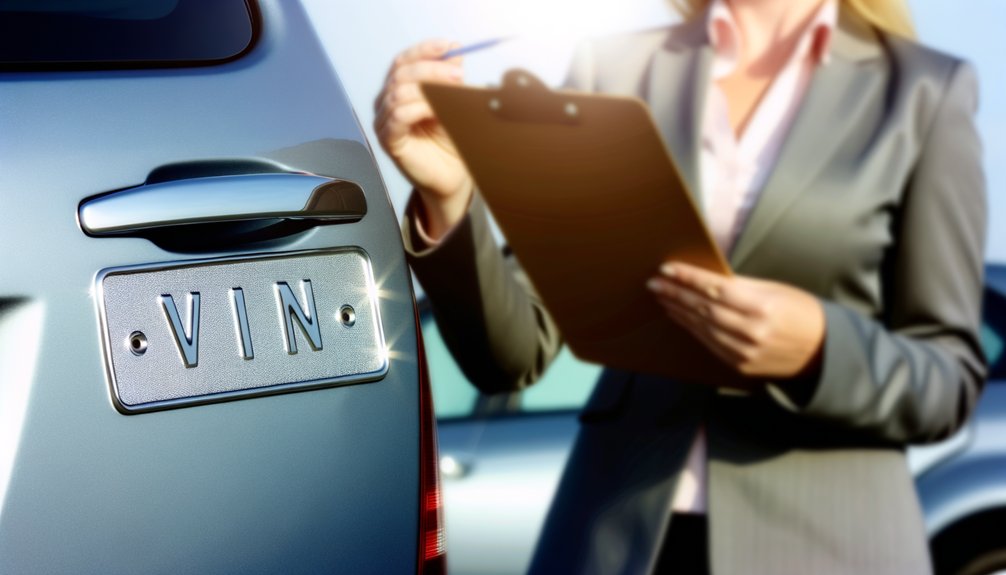
Why might the DMV request a VIN verification? There are several common reasons. First, if you’re registering a vehicle purchased from a private seller, the DMV wants to guarantee that the VIN matches the title and registration documents. Second, it may occur when you’re bringing a vehicle from out-of-state; verification helps confirm its identity and legality. Additionally, if there’s a history of reported theft or salvage, the DMV might require verification to protect consumers. Finally, discrepancies between the VIN on the vehicle and the documentation can trigger a request. These measures help maintain integrity in vehicle ownership and guarantee compliance with state regulations, fostering a safer environment for all road users. Furthermore, VIN verification is essential for vehicle registration in California, ensuring that all vehicles on the road are properly documented and verified.
The VIN Verification Process Explained
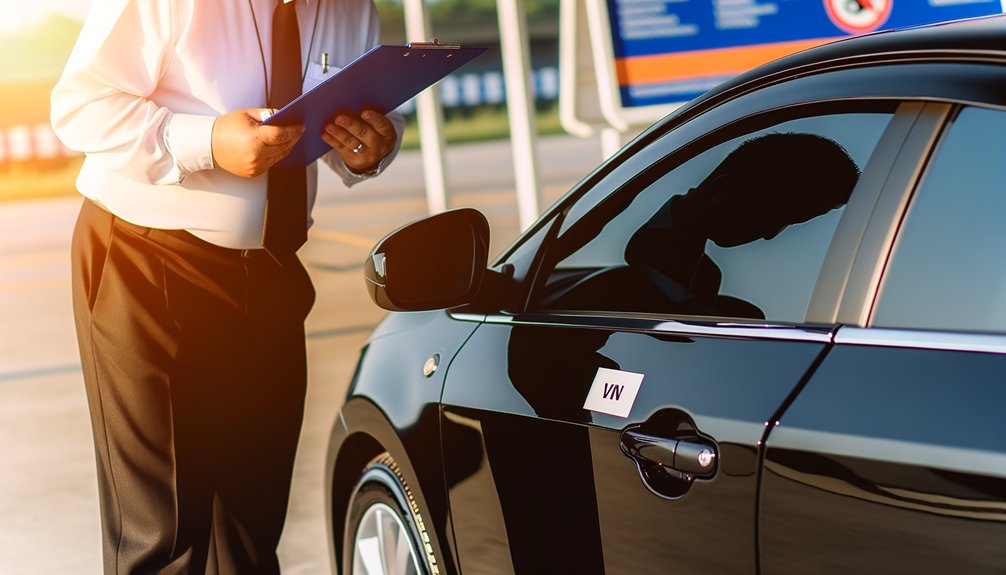
Understanding the VIN verification process is key to ensuring a smooth experience with the DMV. When you’re asked for a VIN verification, it typically means the DMV wants to confirm your vehicle’s identity. This process involves an inspection of your vehicle, where a certified inspector checks the Vehicle Identification Number against your documentation. You’ll need to provide proof of ownership, such as your title or registration. The inspector will document the findings, ensuring the VIN matches the records. Once verified, the inspector submits the results to the DMV, allowing you to proceed with your registration or other necessary actions. Familiarizing yourself with this process will help streamline your interaction with the DMV and prevent unnecessary delays. Be aware that vehicles must have at least 7,600 miles if lacking a California emissions label.
How to Prepare for a VIN Verification
Preparing for a VIN verification can make the process much smoother, so it’s essential to gather the necessary documents in advance. Start by locating your vehicle’s title and registration; these will serve as primary proof of ownership. Also, have your driver’s license handy, as it verifies your identity. If your vehicle has been modified, be prepared to provide documentation of those changes. Schedule your appointment at a DMV location that conducts VIN verifications to avoid long wait times. Finally, ascertain your vehicle is accessible and clean, as this will facilitate the inspection. By taking these steps, you’ll streamline the VIN verification process and reduce potential complications, making your experience more efficient and hassle-free. Additionally, ensure that your vehicle meets California emission standards, as this is a critical factor in the registration process.
Consequences of Not Completing VIN Verification
If you neglect to complete your VIN verification, you could face several significant consequences. Ignoring this step may lead to complications that can hinder your vehicle ownership experience. Here are three potential repercussions:
- Registration Delays: Without VIN verification, your vehicle registration could be postponed, leaving you unable to legally drive.
- Fines and Fees: The DMV may impose additional fines or fees for non-compliance, which can add to your overall costs.
- Legal Issues: Failing to verify your VIN may raise red flags regarding ownership, potentially leading to legal disputes or issues with resale.
To guarantee a smooth process and avoid these pitfalls, prioritize completing your VIN verification as soon as possible.
Frequently Asked Questions
Can I Verify My VIN Online?
Yes, you can verify your VIN online. Many state DMV websites offer tools for VIN checks. Just visit your state’s site, enter the VIN in the designated field, and follow the prompts for verification.
How Much Does VIN Verification Cost?
The cost of VIN verification typically ranges from $10 to $50, depending on your state and the service provider. Check your local DMV or authorized agents to confirm the exact fee you’ll need to pay.
What Documents Do I Need for VIN Verification?
For VIN verification, you’ll need your vehicle title, registration, and a valid photo ID. Be prepared to present any additional documents required by your local DMV, ensuring a smooth verification process.
How Long Does the Verification Process Take?
The verification process typically takes a few days to a couple of weeks, depending on your local DMV’s workload. You can often expedite it by ensuring all required documents are accurate and submitted promptly.
Will a VIN Verification Affect My Insurance?
A VIN verification typically won’t affect your insurance directly. However, if discrepancies arise during the process, it might prompt your insurer to reassess coverage or premiums. Always keep your policy updated to avoid complications.